 Largo Siding
 Belleair Homes Face a Tougher Exterior Environment Than Most Inland Neighborhoods
Belleair sits on a narrow stretch of Pinellas County between Clearwater Harbor and the Gulf, which means almost every home here deals with some combination of salt-laden air, high humidity, intense sun, and the wind exposure that comes with being close to open water. That combination is harder on exterior materials than what a home twenty or thirty miles inland experiences. Siding, trim, roofing, windows, and even deck fasteners all age faster near the coast unless they were chosen and installed with that reality in mind.
We're a Largo-based exterior contractor working throughout Pinellas County, and Belleair is part of our regular service area. We're not describing this climate from a brochure — it's the same air and sun our own crews work in every week. That local, hands-on familiarity shapes what we recommend and how we install it.
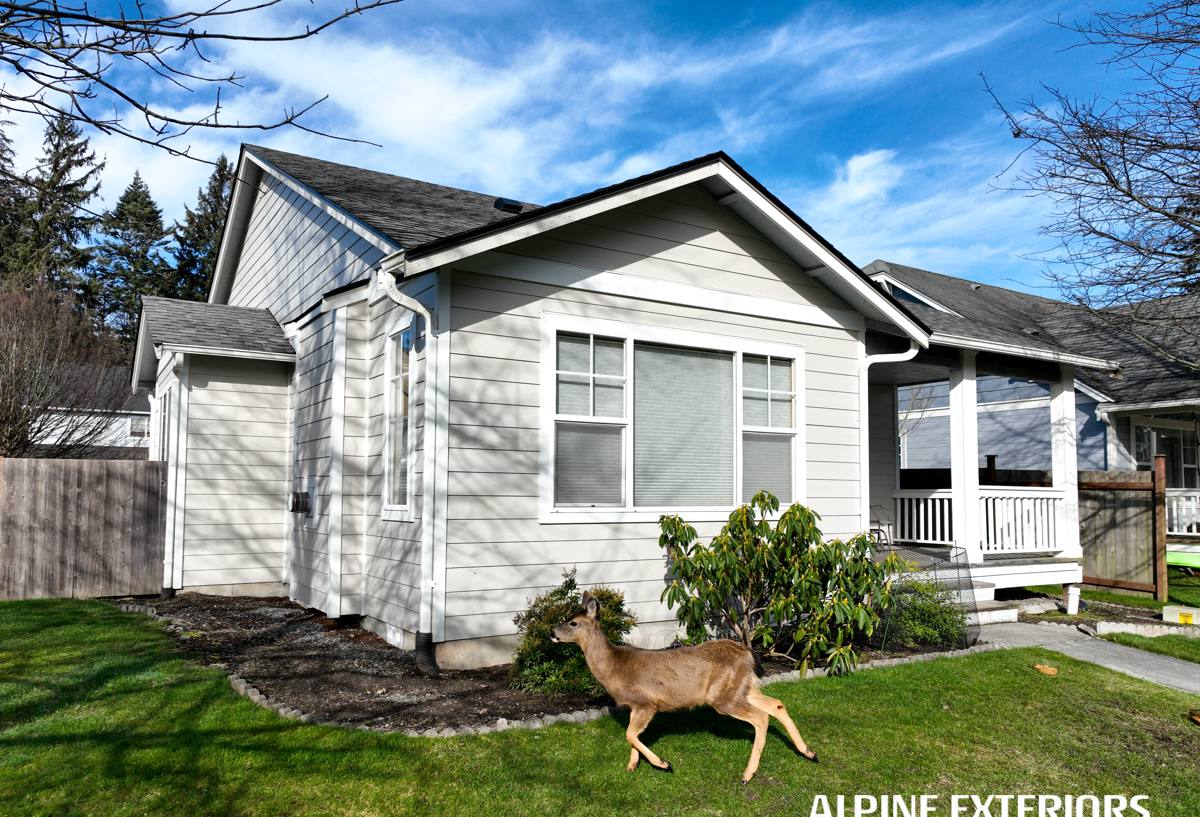
Salt Air and Corrosion: The Slow Damage You Don't See Right Away
Salt air doesn't just affect homes directly on the water. Prevailing winds carry fine salt particles well inland, and in a community like Belleair — surrounded by water on multiple sides — that exposure reaches nearly every property. Salt accelerates corrosion on anything metal: fasteners, flashing, window hardware, and gutter systems. It also breaks down certain siding materials from the surface in, especially products that depend on paint film or a factory coating that wasn't engineered for marine exposure.
This is one of the biggest reasons material choice matters more here than it would in a landlocked subdivision. A siding product that performs fine in a dry inland climate can show chalking, staining, or panel degradation years earlier near Belleair's coastline. The same goes for fasteners — using the wrong grade of nail or screw is a common shortcut that shows up as rust streaks and loosened trim within a few seasons.
What This Means for Fasteners and Flashing
Correct installation near the coast isn't just about the siding panel itself. Fastener material, flashing details around windows and doors, and how joints are sealed all matter more here than in a low-exposure inland area. We spec corrosion-resistant fasteners and proper flashing on every job, not as an upsell but because it's what holds up in this environment.
Hurricane Winds and Wind-Driven Rain: The Building Envelope Has to Work as a System
Pinellas County sits squarely in Florida's hurricane exposure zone, and Belleair's position near open water means wind loading and wind-driven rain are real design considerations, not afterthoughts. Wind-driven rain is different from ordinary rainfall — it gets pushed sideways and upward into seams, laps, and penetrations that would stay dry in a normal storm. If siding isn't installed with the right overlaps, flashing, and water-resistive barrier detailing, that moisture finds its way behind the cladding and into the wall assembly.
That's a slower, quieter problem than storm damage, but it's often more expensive to fix because it isn't visible until there's already rot, mold, or a failed wall section behind the siding. Wind resistance and water management have to be treated as one system — siding, house wrap, flashing, and fastening schedule all working together — rather than separate line items.
Year-Round UV Exposure: Fading, Chalking, and Material Fatigue
Florida's sun load is intense and consistent almost every month of the year, and coastal reflection off open water can add to UV exposure on certain elevations of a home. Over time, UV breaks down pigments and surface coatings, which is why some siding materials fade, chalk, or need repainting on a cycle far shorter than homeowners expect when they first install it. Trim, fascia, and painted wood elements are usually the first to show it.
This is a big part of why factory-applied, baked-on finishes hold up better here than field-applied paint. A finish that's cured under controlled conditions at the factory resists UV breakdown longer than paint applied on-site, which is one of the practical reasons we standardized on a product line that uses that approach.
Why We Install Only James Hardie Fiber Cement Siding
We get asked fairly often why we don't offer vinyl, LP SmartSide, or other engineered wood or fiber cement alternatives. The honest answer is that after years of installing and repairing siding in Pinellas County's climate, we settled on one product system that consistently holds up to salt air, UV, humidity, and wind-driven rain without the maintenance headaches we've seen with other materials in this exact environment.
Vinyl siding is affordable and low-maintenance in mild climates, but it can warp or become brittle under sustained heat and UV, and it has real limitations in high-wind exposure compared to fiber cement. Engineered wood products like LP SmartSide perform well in many parts of the country, but they rely on wood strand cores and treated surfaces that are more sensitive to sustained moisture exposure — a real risk in a humid, salt-air coastal environment if any seam or cut edge isn't perfectly sealed. Fiber cement itself varies by brand; James Hardie's HZ5 product line is specifically engineered for Florida-type high-humidity, high-UV climates, which is a meaningful distinction from generic fiber cement.
None of this means other products are bad everywhere — it means we made a professional judgment call about what performs reliably on the homes we install and stand behind in this specific climate.
Material Comparison at a Glance
| Material | Coastal/UV Performance | Maintenance | Fire Resistance |
|---|---|---|---|
| James Hardie Fiber Cement (HZ5) | Engineered for humid, high-UV climates | Low — factory ColorPlus finish resists fading/chalking | Non-combustible |
| Vinyl Siding | Can warp, fade, or become brittle under sustained heat/UV | Low, but limited repair options once faded or cracked | Combustible |
| LP SmartSide / Engineered Wood | Sensitive to sustained moisture at seams/cuts | Moderate — depends on sealing and upkeep | Combustible |
| Primed Spruce / Cedar | Prone to moisture absorption, cupping, rot near coast | High — regular repainting and sealing | Combustible |
Beyond Siding: Roofing, Windows, and Decks Facing the Same Climate
Siding rarely fails on its own — it's usually one part of the exterior envelope under stress. We also handle roofing, windows, and decking for the same reason: these systems have to work together against the same wind, rain, and sun that hit the siding. A new roof with poor flashing detail can send water into a wall system regardless of how good the siding is. Older windows with failing seals let humid coastal air infiltrate around the frame. Decking exposed to salt air and UV needs fastener and material choices suited to that exposure, the same way siding does.
When we scope a Belleair project, we look at the exterior as a whole rather than quoting siding in isolation, especially on older homes where roofing, trim, and windows may be reaching the end of their service life around the same time.
What a Local Crew Brings to a Belleair Project
Working throughout Pinellas County day to day means we already understand the permitting expectations, wind-load requirements, and inspection process for this area, which keeps projects moving instead of stalling on paperwork. It also means if a warranty question or a minor issue comes up after the job is done, you're calling a crew that's a short drive away and still working in the neighborhood — not chasing down a company that only visited once during a sales pitch.
Belleair's mix of long-established homes and newer builds means every project is a little different. A local crew that's seen a range of home ages and construction styles in this specific area is better positioned to spot problem areas — old flashing, undersized overhangs, prior repair shortcuts — before they become part of a new siding job's problems.
Planning a Siding, Roofing, Window, or Deck Project in Belleair
Whether you're dealing with visible siding damage, planning ahead of hurricane season, or simply ready to stop maintaining an aging exterior, a good project starts with an honest assessment of what's actually happening on your home, not a generic sales pitch.
- Walk the exterior and note any visible damage, staining, soft spots, or areas where paint or finish is failing
- Check window and door trim for gaps, staining, or signs of water intrusion
- Look at the roofline and gutters for rust streaks, sagging, or granule loss on shingles
- If you have a deck, check fasteners and structural members for rust or soft wood
- Note your home's age and any past exterior work, including repairs you're aware of
- Ask any contractor you're considering how they detail flashing and moisture management, not just what siding brand they use
Cost Factors to Expect
Every home is different, but a few factors consistently drive the cost of an exterior project in a coastal Pinellas County community like Belleair:
| Factor | Why It Affects Cost |
|---|---|
| Home size and elevation complexity | More surface area and architectural detail means more material and labor |
| Extent of existing damage | Rot, mold, or wall sheathing repair adds scope beyond the siding itself |
| Trim and detail work | Corner boards, trim profiles, and accent details take more time than flat runs |
| Access and site conditions | Waterfront lots, landscaping, or tight lot lines can affect staging and labor |
| Scope beyond siding | Bundling roofing, windows, or decking into one project can improve efficiency |
If your Belleair home is showing signs of coastal wear — fading, staining, soft trim, or an exterior that's simply aging out — we're happy to take a look and put together a straightforward, no-pressure estimate. Fill out the form below and we'll go from there.