 Largo Siding
 Belleair Homes Face Weather Most Installers Don't Deal With Every Day
Belleair sits close enough to the Gulf and the Intracoastal that its homes take a different kind of beating than houses ten or twenty miles inland. Salt-laden air corrodes hardware faster, afternoon sun bakes window frames and seals for most of the year, and when a tropical system tracks through Pinellas County, wind-driven rain finds every weak seam in a window's installation. A window that's correctly installed handles all of that quietly, year after year. A window that's installed even slightly wrong — a missing bead of sealant, a fastener in the wrong spot, flashing that laps the wrong direction — tends to show it within a few seasons, usually as a stain on the drywall below the sill or a frame that won't latch square anymore.
This page is about window installation specifically for Belleair properties: what the local conditions demand, what a correct installation looks like from removal to final seal, and why the details matter more here than they would in a milder climate.
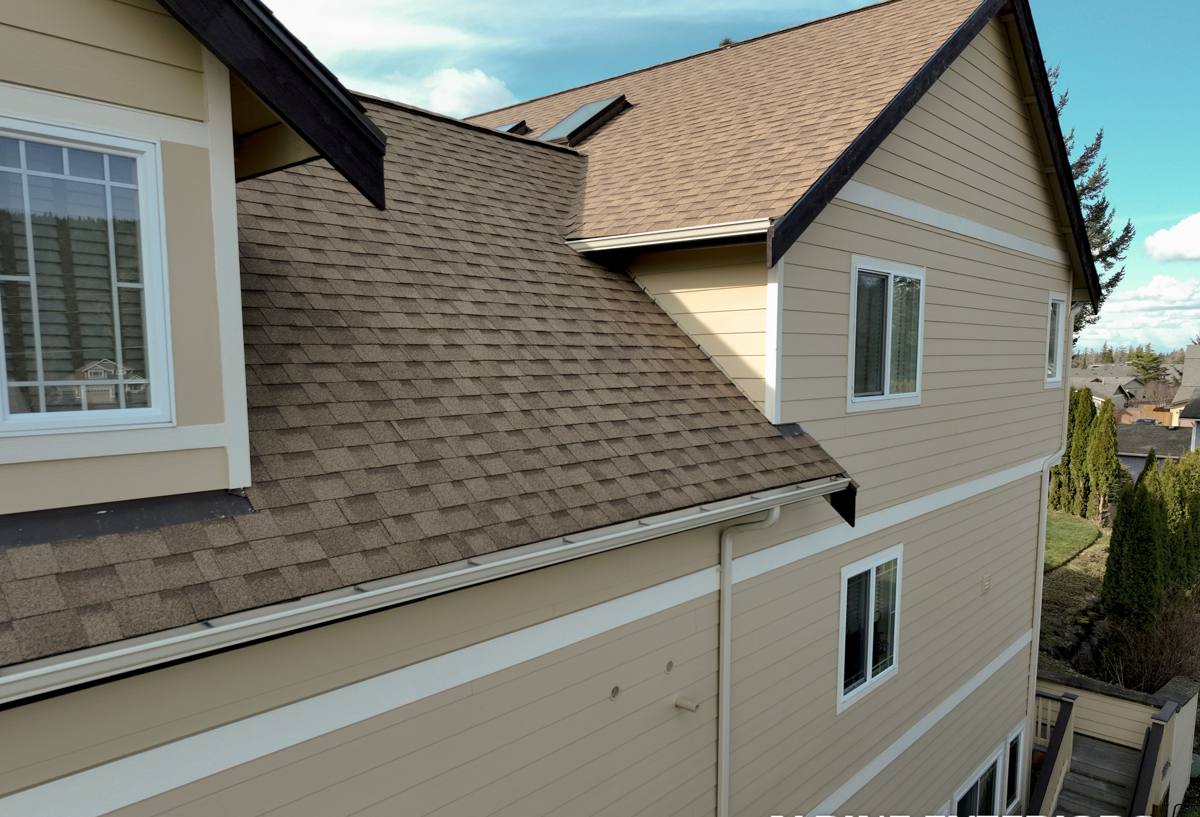
What Pinellas County's Climate Does to Windows Over Time
Four things wear on windows in this part of Florida, and they compound each other:
- Hurricane-force wind: Even homes that never take a direct hit see repeated exposure to tropical storm-force gusts, which stress frames, fasteners, and the seal between the window and the wall opening.
- Intense, year-round UV: Vinyl frames, weatherstripping, and low-quality sealants break down faster under Florida sun than almost anywhere else in the country. UV degradation is a slow failure — you won't notice it until a seal cracks or a frame starts to chalk and go brittle.
- Wind-driven rain: Rain that comes in sideways during a storm tests the flashing and drainage detail around a window far harder than a normal rainstorm. This is where most installation failures actually show up.
- Salt air: Airborne salt accelerates corrosion on screws, hinges, balance systems, and metal reinforcement inside window frames, especially on properties closer to the water.
None of this means windows in Belleair fail faster by default. It means the installation has less margin for error, and materials that would be fine in a drier, calmer climate aren't always the right choice here.
What a Correct Window Installation Actually Involves
Window installation is often talked about like it's a single step — pull the old one out, put the new one in. In practice, it's several distinct jobs stacked together, and each one matters.
Removing the Old Window Without Damaging the Opening
The rough opening — the framed hole in the wall — has to come out of the old window removal square, dry, and structurally sound. Rushed removals crack stucco, split framing, or leave behind old caulk and debris that keep the new window from seating flush. On older Belleair homes especially, we check for hidden wood rot or moisture damage around the opening before anything new goes in, because installing over a compromised opening just hides the problem for a future homeowner to find.
Flashing and Water Management
This is the step that determines whether a window leaks during a storm five years from now. Flashing tape and pan flashing need to be layered correctly — each piece overlapping the one below it — so that any water that gets behind the window's exterior trim drains back out instead of running into the wall cavity. This detail is invisible once the job is finished, which is exactly why it's the step corners get cut on most often by installers trying to move fast.
Fastening for Wind Load
Every window has an engineering-approved fastening schedule: a specific type, size, spacing, and embedment depth for the screws that anchor it to the structure. That schedule is what the window's wind rating is actually based on. Using the wrong fastener, too few of them, or spacing them incorrectly can turn a properly rated impact window into one that fails during a storm despite having the right glass.
Sealing, Insulating, and Finishing
The gap between the window frame and the rough opening gets backer rod and a proper sealant, not just canned spray foam pushed in and left. Over-filling with expanding foam can actually bow a frame out of square. The exterior gets sealed with a sealant rated for sun and salt exposure, and interior and exterior trim gets reset so the finished look matches the rest of the home.
Choosing Windows That Make Sense for a Belleair Home
There's no single "right" window for every house — the right choice depends on the home's exposure, its age, its architectural style, and the homeowner's budget. A few factors come up on almost every Belleair project:
Impact-Rated Glass vs. Standard Glass Plus Shutters
Both approaches meet Florida's requirements for wind-borne debris protection when done correctly. Impact glass stays in place permanently and requires no action before a storm, but costs more upfront. Storm shutters cost less initially but require the homeowner to actually deploy them every time, and they do nothing for daily UV and noise exposure the way laminated impact glass does. We'll walk through both honestly based on the specific home rather than defaulting to whichever is easier to sell.
Frame Material
Vinyl, aluminum, and fiberglass all show up in Belleair homes, and each has real tradeoffs in a coastal climate:
| Frame Material | Salt Air Resistance | UV Durability | Typical Cost |
|---|---|---|---|
| Vinyl | Good — won't corrode | Fair; quality varies widely by manufacturer | Lower |
| Aluminum | Fair; needs a quality finish to resist pitting | Very good — won't degrade in sun | Mid-range |
| Fiberglass | Excellent — highly resistant to salt and moisture | Excellent | Higher |
We don't push a single brand or material as the "only" option. What we won't do is install a frame or glazing package that's a poor match for a home's actual exposure, because that trades a short-term savings for callbacks and premature replacement the homeowner ends up paying for anyway.
Permits, Codes, and the Wind-Borne Debris Region
Pinellas County falls within Florida's wind-borne debris region under the Florida Building Code, which sets minimum requirements for how windows near the coast resist impact and pressure during a storm. Window replacement in Belleair requires a permit, and the installed product has to carry the appropriate approval — either a Florida Product Approval or Miami-Dade NOA (Notice of Acceptance) rating that matches the home's wind exposure zone. Skipping the permit might save a little time, but it leaves the homeowner with an unpermitted install that can complicate insurance claims and resale down the line. We pull permits, schedule inspections, and handle the paperwork as a standard part of the job, not an upsell.
Our Installation Process, Start to Finish
- On-site assessment: We look at each opening individually — framing condition, current flashing, sill height, and exposure — before recommending a specific window and installation method.
- Product selection: We go over frame material, glass package, and impact rating options against the home's actual budget and exposure, not a one-size answer.
- Permitting: We handle the permit application and scheduling with Pinellas County so the homeowner doesn't have to chase paperwork.
- Removal and opening prep: Old windows come out carefully, and any rot or damage in the opening gets addressed before the new unit goes in.
- Flashing and installation: Windows are set plumb, level, and square, flashed for proper drainage, and fastened to the manufacturer's engineered schedule.
- Sealing and finishing: Interior and exterior sealing, trim, and cleanup, followed by a final walkthrough with the homeowner.
- Final inspection: We coordinate the county inspection so the job is closed out properly and on record.
Mistakes We See From Rushed or Out-of-Area Installations
Storm season brings a wave of traveling crews and quick-turnaround outfits into Pinellas County, and homeowners sometimes call us to fix or evaluate work that was done fast rather than done right. A few warning signs are worth knowing:
- Sealant applied over gaps without backer rod or proper flashing underneath — looks fine on day one, fails in the first hard rain.
- Fasteners that don't match the window's tested and approved fastening schedule.
- No permit pulled, meaning no inspection ever verified the install met code.
- Trim reinstalled over damaged or rotted framing instead of repairing it first.
- A "one product fits every house" sales pitch instead of an assessment of the specific opening and exposure.
Why a Crew That Already Works in Belleair Matters
Experience specific to this area isn't a marketing line — it changes real decisions on the job. Knowing how salt exposure varies between a home two blocks from the water and one further inland affects which fastener coatings and sealants make sense. Knowing how Pinellas County's permitting and inspection process actually runs keeps a project from stalling. And having handled openings in the older homes common throughout Belleair means fewer surprises when a wall opens up and the framing underneath isn't what the drawings assumed. A crew that only shows up in the area during storm season doesn't build that judgment.
Caring for New Windows in a Salt-Air Environment
A correctly installed window still benefits from basic upkeep in this climate. A simple seasonal routine goes a long way:
- Rinse frames and hardware periodically with fresh water to clear accumulated salt residue, especially after storms.
- Check exterior sealant lines once a year for cracking or separation, particularly after a hot summer.
- Operate locks and balance systems a few times a year so hardware doesn't seize from disuse.
- Keep an eye on interior sills and drywall below windows for any staining, which can signal a developing seal issue before it becomes a bigger repair.
- Have screens and weatherstripping inspected every couple of years, since UV exposure wears these out faster here than in most climates.
If you're weighing window replacement for a Belleair home, we're happy to walk the property, look at what's actually going on with your current windows, and put together a straightforward, no-pressure estimate — just fill out the form below to get started.