 Largo Siding
 Siding in Palm Harbor: A Different Kind of Wear and Tear
Palm Harbor sits in a part of Pinellas County where the weather doesn't take a season off. Homes here deal with long stretches of intense UV, sudden downpours that come in sideways on a gulf breeze, the occasional direct hit from a tropical system, and a steady dose of salt-laden air drifting in off the water. None of these things are dramatic on their own. It's the combination, repeated year after year, that wears down exterior materials that weren't built for it.
We're Largo Siding Company, and while our name says Largo, our crews work throughout this stretch of Pinellas County, including Palm Harbor. We see the same pattern on siding calls here that we see across the county: material that looked fine when it went up ten or fifteen years ago, and now shows swelling at the bottom edges, cracked caulk lines, faded color, or soft spots around window trim. Understanding why that happens is the first step to choosing something that won't repeat the cycle.
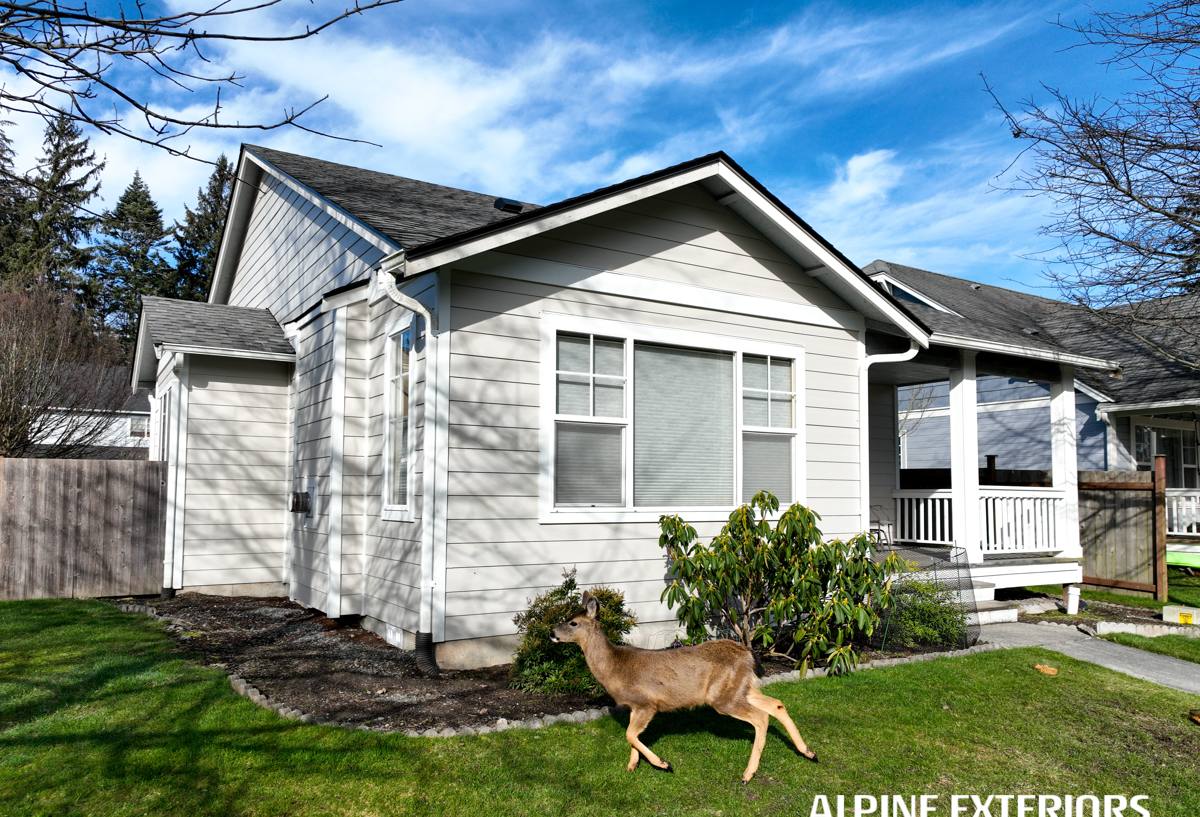
What Palm Harbor's Climate Actually Does to a Home's Exterior
UV and Heat
Florida sun is relentless, and it's not just about fading paint. UV breaks down the binders in lower-grade siding materials and finishes, which is why cheap paint jobs chalk and dull within a few years. Heat cycling — hot days, cooler nights, hot again — also stresses seams, caulk, and fasteners over time.
Wind-Driven Rain
Rain in this area rarely falls straight down. Gulf breezes push it at an angle, which means it gets forced into laps, seams, and trim joints that would stay dry in a calmer climate. Siding that isn't installed with the right clearances and flashing details will let moisture behind the surface, and that's where real damage starts — usually out of sight, in the sheathing and framing, long before it shows up on the outside.
Salt Air
Palm Harbor isn't beachfront, but it's close enough to open water that salt content in the air is a real factor, especially on the sides of a home facing prevailing winds. Salt accelerates corrosion on fasteners and trim hardware and can contribute to the breakdown of some siding finishes over time.
Storm Exposure
Every home in this part of Florida needs to be built with the possibility of tropical storm or hurricane-force wind in mind. That means fastening schedules, impact resistance, and how the siding system behaves when it's soaked and then hit with gusts — not just how it looks on a calm day.
Why We Only Install James Hardie Fiber Cement
Largo Siding Company made a decision a while back to stop installing several materials that are common in this market — vinyl, LP SmartSide, Cemplank, Allura, primed spruce, and cedar — and put James Hardie fiber cement on every home we side. That's not a marketing angle. It's a standard we hold ourselves to because of what we've seen play out on real Florida homes over the years.
Vinyl softens, warps, and can crack in extreme heat, and it has real limits in high-wind exposure. Wood-based products, including primed spruce and cedar, are attractive but need consistent maintenance to keep moisture out, and Florida's humidity and rain patterns don't give much room for error on that front. Engineered wood siding like LP SmartSide performs reasonably well when installation and caulking are perfect and stay perfect, but the margin for error is thin in a climate this demanding. Other fiber cement brands, like Cemplank and Allura, are legitimate products — we simply chose to standardize on one manufacturer, train our crews to one installation spec, and back one warranty structure rather than spread our expertise across several product lines.
James Hardie fiber cement is non-combustible, dimensionally stable in heat and humidity, and available in HZ5 formulations engineered for high-humidity, high-moisture climates like ours. The ColorPlus factory finish process bakes color into the product with a stronger bond than field-applied paint, which matters when a home is going to sit under Florida sun for the next few decades.
How Hardie Compares to What We Don't Install
| Material | Moisture Behavior | Heat/UV Stability | Wind Performance | Maintenance |
|---|---|---|---|---|
| James Hardie Fiber Cement | Does not swell or rot; engineered for humid climates | Dimensionally stable; factory finish resists fading | Rated for high-wind installation when installed to spec | Periodic caulk/paint checks; no repainting cycle required with ColorPlus |
| Vinyl Siding | Sheds water but seams can allow intrusion | Can warp or soften in high heat | Lower wind resistance; can crack or blow off in strong gusts | Low, but limited repair options once damaged |
| LP SmartSide / Engineered Wood | Vulnerable if caulking or sealing fails | Moderate; performance depends on maintenance | Reasonable when properly fastened | Requires consistent caulk and paint upkeep |
| Primed Spruce / Cedar | Prone to swelling, rot without diligent upkeep | Fades and weathers without regular refinishing | Adequate but installation-sensitive | Highest — regular painting and sealing needed |
What a Siding Project Looks Like on a Palm Harbor Home
Every home we work on starts with a walk-around, not a sales pitch. We look at the current siding's condition, the state of the underlying sheathing where it's accessible, the home's exposure (which sides take the most sun, wind, and rain), and any trouble spots around windows, doors, and roof lines. From there we put together a plan that includes:
- Removal of failing material and inspection of the wall sheathing underneath
- Repair or replacement of any water-damaged sheathing before new siding goes up
- Correct weather-resistive barrier and flashing details around every penetration
- James Hardie fiber cement installation to manufacturer fastening and clearance specifications
- Trim, corner, and joint detailing built for wind-driven rain, not just calm-day appearance
- Final walkthrough so you understand exactly what was done and why
That sheathing check matters more than people expect. Siding is often the last thing to show a problem — by the time you see swelling or soft spots on the surface, moisture has usually been working on the wood underneath for a while. A proper tear-off gives us a chance to catch that early and fix it right, instead of covering it back up.
Beyond Siding: Roofing, Windows, and Decks
Siding doesn't work in isolation. The roof, windows, and siding on a home all interact at flashing points, and if one of those systems is compromised, it can undermine the others. We handle roofing, window replacement, and deck work as well, which means when we're on a Palm Harbor property we can look at the whole exterior picture rather than just the walls. A roof leak at a valley or a window that's no longer sealing properly can quietly damage new siding just as fast as old siding, so we'll flag issues we see even if they're outside the scope of the original ask.
What It Costs, and What Drives the Number
Every home is different, and we don't publish blanket pricing because it depends on real variables. What we can tell you is what actually moves the number up or down:
| Factor | Why It Matters |
|---|---|
| Home size and wall complexity | More square footage and more corners, gables, and trim details mean more material and labor |
| Current siding condition | Hidden sheathing damage found during tear-off adds repair scope |
| Hardie product line and profile | Lap width, texture, and trim selections vary in cost |
| ColorPlus vs. field-painted finish | Factory-applied color is a different cost structure than job-site painting |
| Access and site conditions | Landscaping, fencing, and second-story access can affect labor time |
We'll walk your specific home and give you a real number based on what we see, not a generic estimate pulled from a national average.
Why a Local Crew Matters Here
Installation quality is what determines whether fiber cement siding lives up to its reputation or falls short of it. Fastener placement, caulk joints, flashing at windows and doors, and proper clearance at the bottom of the wall all have to be done to spec, especially in a climate that will find any weak point through repeated wind-driven rain and humidity. A crew that works in Pinellas County day in and day out understands what this climate does to a house, because we see the results of both good and bad installation work on service calls all the time. That local, repeated exposure to how homes in this area actually perform over time is part of what informs how carefully we approach every job.
A Homeowner's Checklist Before You Hire
- Ask what siding material the contractor installs and why — and whether they stand behind it with a real warranty
- Confirm they inspect and repair sheathing, not just install over existing damage
- Ask how they detail flashing and clearances around windows, doors, and the base of the wall
- Get specifics on fastening schedule for wind exposure, not just "we follow code"
- Check that they're licensed and insured to work in Pinellas County
- Ask to see the manufacturer's installation instructions they follow — a contractor who knows their material well will have no problem showing you
If your Palm Harbor home's siding is showing its age, or you're planning ahead of the next storm season, we're happy to take a look and give you a straightforward, no-pressure estimate. There's a form below — reach out and we'll get you scheduled.