 Largo Siding
 Exterior Work on a Barrier Island Is a Different Job
Belleair Beach sits on a narrow strip of land between the Intracoastal Waterway and the Gulf of Mexico, and that geography changes what a home's exterior is up against every single day. Homes here don't just deal with "Florida weather" — they deal with a concentrated version of it. Salt-laden air moves across the island from both sides, hurricane-force wind events are a real planning consideration rather than a remote possibility, and the sun beats down on painted and clad surfaces nearly year-round with little relief. We've worked on enough homes across Pinellas County to know that a siding, roofing, or window job that holds up fine three miles inland can fail years early on a barrier island. That's why we approach Belleair Beach properties differently from the start, not as an afterthought once a problem shows up.
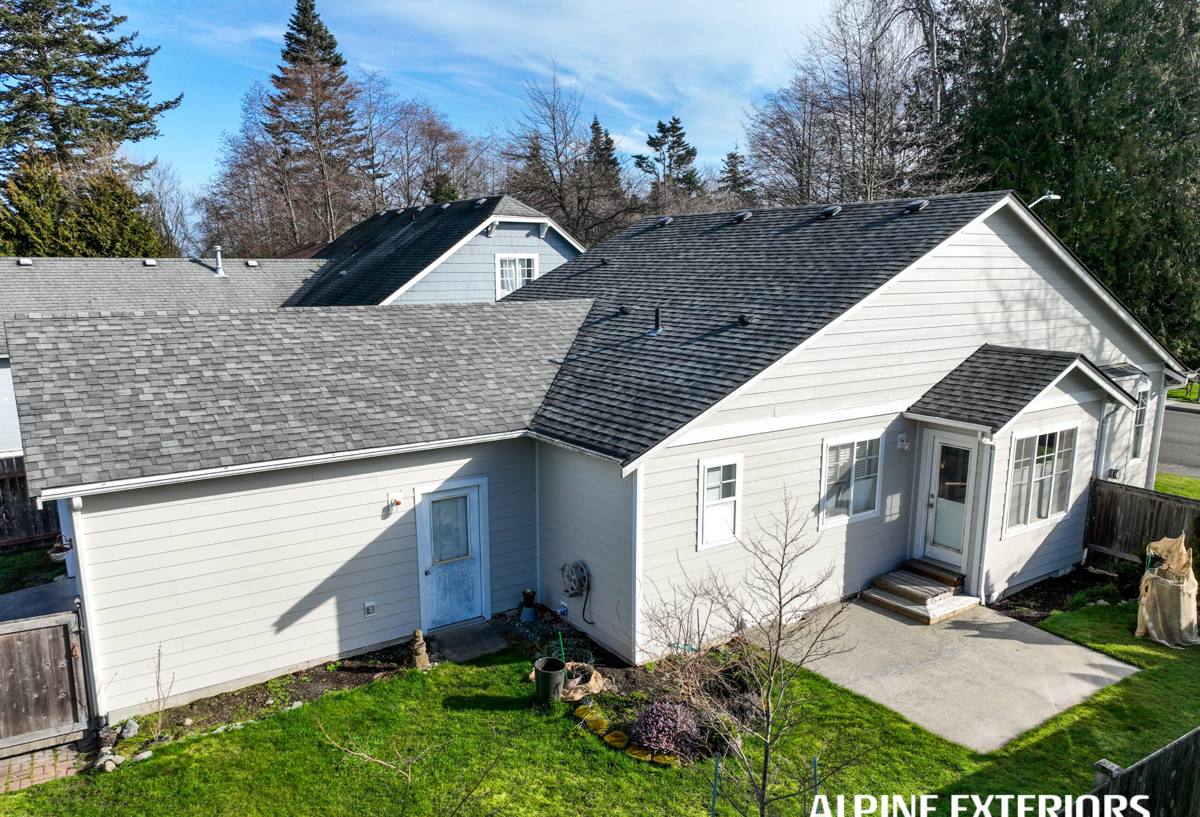
What Barrier Island Exposure Actually Does to a Home
Salt Air and Corrosion
Salt in the air settles on every exterior surface — siding, trim, fasteners, window frames, railings — and it doesn't wash off completely with rain. Over time it accelerates corrosion in metal components and breaks down the surface chemistry of materials that weren't built to resist it. Fasteners, flashing, and hardware are often the first things to fail on a barrier island home, well before the visible cladding shows obvious wear. That's why the fastener and flashing choices on a Belleair Beach project matter as much as the siding material itself.
Wind-Driven Rain
Storms here don't just bring rain straight down — wind pushes it sideways and forces it into every seam, joint, and gap in an exterior envelope. A siding system that isn't detailed correctly at the laps, corners, and penetrations will let water behind the cladding, and once moisture gets behind siding on a barrier island home, it has salt air and heat working against it the whole time it's trying to dry out. Proper flashing, house wrap, and installation to manufacturer spec are not optional extras — they're the difference between a system that sheds water and one that traps it.
Hurricane and High-Wind Events
Pinellas County's barrier islands sit in a wind zone where siding, soffit, and fascia performance during a named storm isn't theoretical. Wind uplift on poorly fastened siding or trim can start a failure that cascades — once one panel or piece of trim comes loose, wind gets behind the rest of the wall assembly. We install to the fastening schedules and edge details that are actually engineered for the wind exposure category a barrier island home falls into, not the minimum that might pass on a more sheltered inland lot.
Constant UV Exposure
Because there's little tree cover or windbreak on many barrier island lots, siding and trim take a near-constant dose of UV. Paint fades and chalks faster, caulk joints dry out and crack sooner, and any coating that isn't factory-cured tends to show its age within a handful of years rather than a decade or more. UV is one of the quieter reasons exterior finishes on the Gulf side age faster than the same materials would inland.
Why We Only Install James Hardie Fiber Cement
We made a deliberate decision as a company to install James Hardie fiber cement siding exclusively — we don't install vinyl, LP SmartSide, Cemplank, Allura, or primed wood products like spruce or cedar. On a barrier island in particular, that decision is easy to defend. Fiber cement is non-combustible, dimensionally stable in heat and humidity swings, and doesn't rely on a field-applied paint job to hold up to UV and salt exposure the way primed wood or some engineered wood products do. Hardie's ColorPlus finish is baked on at the factory under controlled conditions, which gives it a more consistent, longer-lasting bond to the substrate than a coat of paint applied on-site after installation.
That doesn't mean every other product is without merit — vinyl is inexpensive and easy to source, and engineered wood siding installs quickly and holds paint well when new. But vinyl can distort or crack under sustained high heat and impact, and its color is baked into the material itself with limited long-term fade resistance in intense sun. Engineered wood products are wood-based, which means moisture management at every seam and cut edge is non-negotiable — get it wrong and you're dealing with swelling or delamination down the road, especially in a climate that doesn't give materials much of a dry season to recover. We'd rather stand behind one product system we can install to spec every time than juggle several with different failure points.
James Hardie Product Lines We Work With
| Product | Best Use | Why It Fits Belleair Beach |
|---|---|---|
| HardiePlank lap siding | Primary wall cladding | HZ10 formulation engineered for high-humidity, moisture-prone climates like coastal Florida |
| HardiePanel vertical siding | Accent walls, gable ends | Clean modern look, holds paint/finish consistency in high UV |
| HardieTrim boards | Corners, fascia, window trim | Resists the moisture and UV breakdown that rots wood trim on exposed elevations |
| HardieSoffit panels | Soffit and eave systems | Non-combustible, holds up to salt air where wood soffit deteriorates fastest |
Siding Is Only Part of the Barrier Island Exterior Picture
We handle siding, roofing, windows, and decks, and on a barrier island home those four systems are more interdependent than people expect. Roof edge and fascia detailing has to coordinate with the siding and soffit system so wind-driven rain doesn't find a gap between trades. Windows need flashing that ties properly into the siding's water management plane — a good window installed with poor flashing integration can undo a lot of what correct siding installation accomplishes. Decks facing the Gulf or the Intracoastal take their own beating from salt, sun, and moisture cycling, and the fasteners and structural hardware need the same corrosion resistance we specify for the siding side of the house. We look at the whole envelope together rather than treating each trade as its own isolated project, because on an exposed barrier island lot, the weak point is usually where two systems meet.
What Correct Installation Looks Like Here
Fiber cement siding performs the way it's engineered to only when it's installed to the manufacturer's specifications — that's true anywhere, but the margin for error shrinks on a barrier island. Correct installation on a Belleair Beach home includes:
- Stainless steel or coated corrosion-resistant fasteners rated for coastal exposure, not standard galvanized fasteners
- Proper house wrap and flashing integration at every window, door, and penetration to manage wind-driven rain
- Correct nailing patterns and fastener spacing to meet the wind uplift requirements for the home's exposure category
- Caulking and joint treatment at butt joints and trim intersections done to Hardie's published detail requirements
- Proper clearance between siding and grade, decks, and roof lines to avoid trapping moisture against the bottom edge
- Factory-finished ColorPlus panels installed with matching touch-up product rather than field-mixed paint
Skipping any one of these on an inland home might not show consequences for years. On a barrier island home, cutting a corner tends to surface as a problem within a single storm season.
Why a Local Crew Matters on the Island
Working on Belleair Beach and the surrounding Largo and Pinellas County barrier island communities day in and day out means we're not guessing at wind exposure categories or flashing details from a general playbook — we've seen what actually fails on these lots and what holds up. A crew that mostly works inland jobs doesn't get the same repeated exposure to salt-air corrosion patterns, storm surge considerations, or the access and staging challenges that come with narrow island streets and tight lots. Local knowledge shows up in the small decisions: which fastener spec to use, how tight to run the flashing at a window on the Gulf-facing side, where to expect the first signs of wear on a re-side inspection. Those details add up to a system that's actually built for where it's installed rather than just installed there.
Maintenance Realities for Barrier Island Homes
Even the right materials installed correctly still need some homeowner attention on a barrier island. Rinsing salt residue off siding and windows periodically, especially after storm events, helps limit long-term buildup. Keeping gutters and downspouts clear prevents water from backing up against fascia and soffit during heavy wind-driven rain. Periodic visual inspection of caulk joints, trim corners, and fastener heads catches small issues — a hairline gap, a loosening trim piece — before they become water intrusion points. Fiber cement lowers the maintenance burden significantly compared to painted wood, but "low maintenance" on a barrier island still means more attention than the same product would need forty miles inland.
Get a Straight Answer About Your Home
Every home on Belleair Beach faces this exposure a little differently depending on orientation, elevation, age, and how the last exterior work was done. We'd rather walk your property, look at what's actually happening to your current siding, roofing, windows, or decking, and give you an honest read on what needs attention now versus what can wait. If you'd like a free, no-pressure estimate, the form below gets you started.