 Largo Siding
 Exterior Contracting for Clearwater Homes
Clearwater sits on a stretch of the Pinellas County coastline that gets the full weight of Gulf weather: long stretches of intense sun, humidity that never really lets up, sudden downpours that come in sideways, and salt-laden air drifting inland from the water. Homes here don't fail because owners neglected them — they fail because the exterior materials weren't built for this specific combination of stressors. As a Largo-based contractor working throughout Pinellas County, we see the same wear patterns on Clearwater homes over and over, and we've built our siding, roofing, window, and deck work around what actually holds up in this climate, not what looks good in a showroom in a milder part of the country.
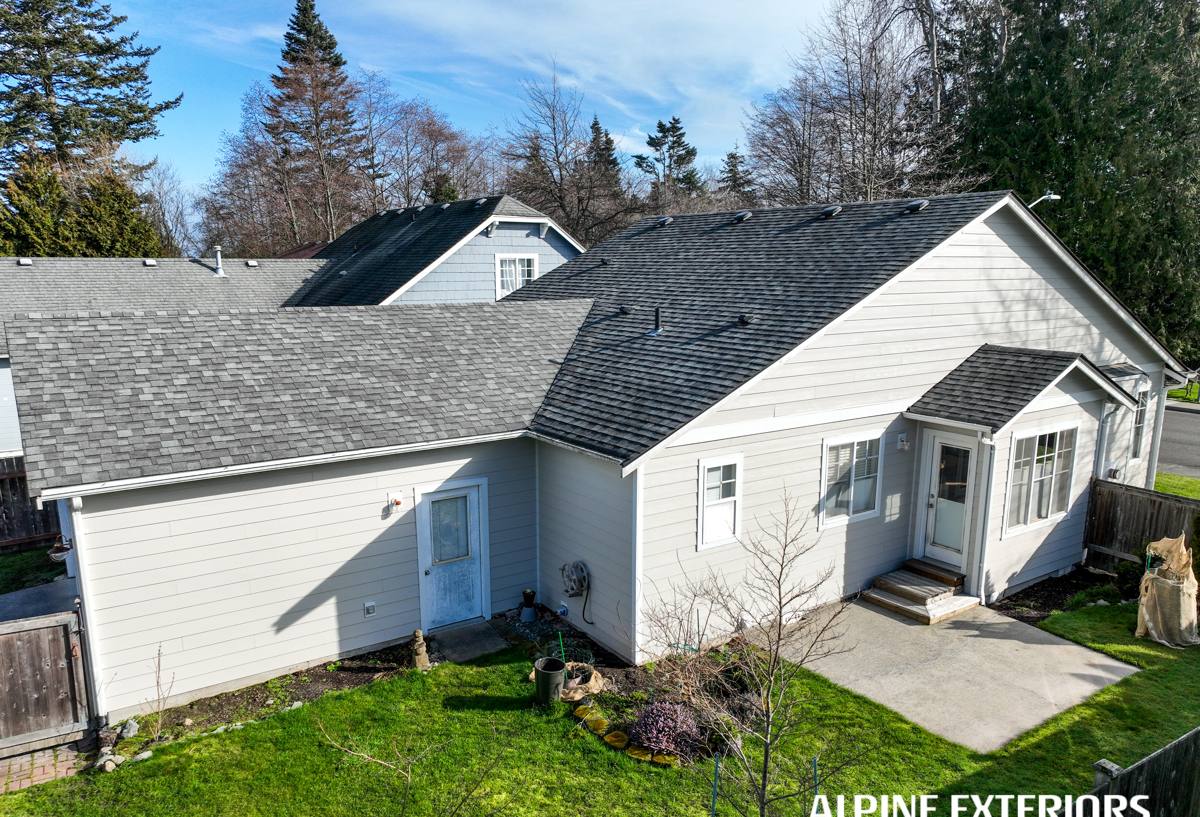
What Clearwater's Climate Does to a Home's Exterior
Every material on the outside of a house in this area is fighting a slow, constant battle. Understanding what that battle looks like is the first step in choosing the right products and the right installation approach.
UV Exposure
Florida sun is stronger and more consistent than in most of the country, and it's relentless on painted and coated surfaces. Standard paint jobs on wood or fiber cement chalk, fade, and lose adhesion faster here than almost anywhere else in the continental U.S. Factory-applied finishes that are engineered to resist UV breakdown hold their color and integrity far longer than field-applied paint.
Wind-Driven Rain
Rain in Clearwater rarely falls straight down. Storms push moisture sideways into wall assemblies, seams, and trim joints. A siding system that isn't detailed correctly at the laps, corners, and penetrations will let water behind the cladding long before the material itself shows any visible damage. This is why installation quality matters as much as the product itself.
Hurricane-Force Wind Loads
Pinellas County sits in a wind zone where siding, soffit, and roofing systems have to be fastened and rated to withstand real storm loads, not just everyday breezes. Materials that aren't dense or well-secured can peel, crack, or become airborne debris in a strong storm — which is a safety issue for the whole neighborhood, not just the home it came from.
Salt Air
Clearwater's proximity to the Gulf means salt particles travel inland on the wind and settle on every exterior surface. Salt accelerates corrosion of fasteners and metal components and can degrade certain coatings faster than inland exposure would. Material selection and hardware choice both need to account for this.
Why We Standardized on James Hardie Fiber Cement
We only install James Hardie siding. Not vinyl, not LP SmartSide, not Cemplank or Allura, not primed spruce or cedar. That's a deliberate professional standard, not a sales preference, and it comes down to how each of those products behaves under Clearwater's specific conditions:
- Vinyl can warp, soften, or become brittle under sustained high heat and intense UV, and it has lower wind-load ratings than fiber cement in most configurations.
- Wood-based siding (LP SmartSide, primed spruce, cedar) depends on an intact factory or field coating to keep moisture out. In a climate with this much humidity and wind-driven rain, any breach in that coating — a nail pop, a scratch, an unsealed cut edge — opens the door to swelling and rot.
- Other fiber cement brands vary in formulation, factory finish quality, and warranty structure. We chose to standardize on one system we know inside and out rather than stock multiple products with different installation requirements and failure modes.
James Hardie fiber cement is non-combustible, dimensionally stable in heat and humidity, and available in HZ5 formulations engineered specifically for high-humidity, high-moisture climates like ours. The ColorPlus factory finish is baked on and warranted against fading and peeling in a way field-applied paint simply can't match, which matters enormously given how hard Florida sun is on painted surfaces. It carries a strong transferable limited warranty, which protects resale value if the home changes hands. None of this means other products are junk — it means that after years of installing and maintaining exteriors in this exact climate, this is the system we're willing to put our name behind.
What Correct Installation Involves
Fiber cement siding is only as good as the installation behind it. Hardie's own specifications call for particular fastening patterns, clearances, and flashing details that are especially important in a wind and rain-driven climate like Clearwater's.
Key Installation Details
- Proper starter strip and clearance from grade, decks, and roof lines to keep water from wicking up into the bottom edge of the siding
- Correct fastener type, spacing, and embedment depth for the local wind zone
- Flashed and sealed penetrations at every window, door, vent, and utility line
- Properly lapped and caulked joints at butt seams and inside/outside corners
- A drainage plane behind the siding so any moisture that does get past the cladding has somewhere to go
Skipping or rushing any of these steps is how a good product ends up with a bad reputation. It's also why we treat installation crew training as seriously as material selection.
Beyond Siding: A Full Exterior Approach
Siding doesn't work in isolation. The roof, windows, and any attached structures like decks all interact with the same wind and water forces, and a weak point in one system often shows up as damage in another.
Roofing
A roof in poor condition sends water down behind fascia and into wall assemblies, undermining even well-installed siding. We evaluate roof condition as part of any siding project because the two systems have to work together to keep a Clearwater home dry.
Windows
Window flashing and siding integration is one of the most common failure points we find on older homes. If windows aren't properly tied into the siding's water management plane, wind-driven rain finds its way in regardless of how good the cladding is.
Decks
Exterior decks in this climate take a beating from sun and moisture cycling. Ledger board attachment where a deck meets the house is another spot where water intrusion commonly starts if it isn't detailed correctly — the same wind and rain forces that stress siding stress this connection too.
Why a Local Pinellas County Crew Matters
We're based in Largo, which puts us minutes from Clearwater and gives us regular, direct experience with the same neighborhoods, wind exposures, and building department requirements homeowners here deal with. That local presence matters in a few concrete ways:
- Familiarity with Pinellas County permitting and inspection processes, so projects move without unnecessary delays
- First-hand knowledge of how homes in this specific area age and fail, rather than generic regional assumptions
- Faster response for follow-up questions, warranty service, or storm-related inspections since we're not traveling in from another market
- A reputation in the local community we have to stand behind, project after project
What Affects the Cost of a Siding Project
Every home is different, but the following factors are what typically drive the scope and cost of a siding project in the Clearwater area. We provide detailed, itemized estimates after an in-person evaluation rather than quoting broad numbers sight unseen.
| Factor | Why It Matters |
|---|---|
| Home size and wall complexity | More corners, dormers, and roof intersections mean more trim, flashing, and labor |
| Current siding removal | Tear-off and disposal of existing material adds time versus a bare wall |
| Substrate condition | Rotted sheathing or water damage found underneath the old siding needs repair before new siding goes on |
| Siding profile and finish selection | Lap width, texture, and ColorPlus finish options vary in material cost |
| Trim and accessory scope | Fascia, soffit, corner boards, and window trim can be included or handled separately |
| Access and site conditions | Landscaping, fencing, or multi-story sections can affect labor time and equipment needs |
Signs a Clearwater Home May Need Siding Attention
Catching problems early keeps a repair from turning into a full replacement. Homeowners in this area should watch for:
- Visible cracking, warping, or buckling in existing siding panels
- Soft or spongy spots when pressing on siding near the bottom edge or around windows
- Peeling or bubbling paint, especially on wood-based siding
- Persistent staining or streaking that doesn't wash off, which can indicate moisture behind the surface
- Rising energy bills that suggest the wall assembly is no longer insulating or sealing as it should
- Visible fastener corrosion or rust streaks, more common given the salt air near the coast
Get a Free, No-Pressure Estimate
If you're noticing wear on your Clearwater home's siding, roof, windows, or deck, we're happy to come take a look and give you an honest assessment of what's going on and what it would take to fix it right. There's no obligation and no pressure — just a straightforward evaluation from a local crew that works in this climate every day. Use the form below to request your free estimate.