 Largo Siding
 Exterior Work on a Barrier Island Takes a Different Approach
Indian Rocks Beach sits on a narrow strip of land between the Gulf of Mexico and the Intracoastal Waterway, which means almost every home there is close to salt water on at least one side. That proximity changes how a house ages. Materials that hold up fine ten miles inland in Largo or Clearwater can start showing problems in half the time once they're exposed to salt-laden air, constant humidity, and direct Gulf sun. We work throughout Pinellas County, but barrier island homes like the ones in Indian Rocks Beach get treated as their own category — because they need to be.
This page covers what local homeowners should know about siding, and where roofing, windows, and decks fit into the bigger picture of protecting a coastal home.
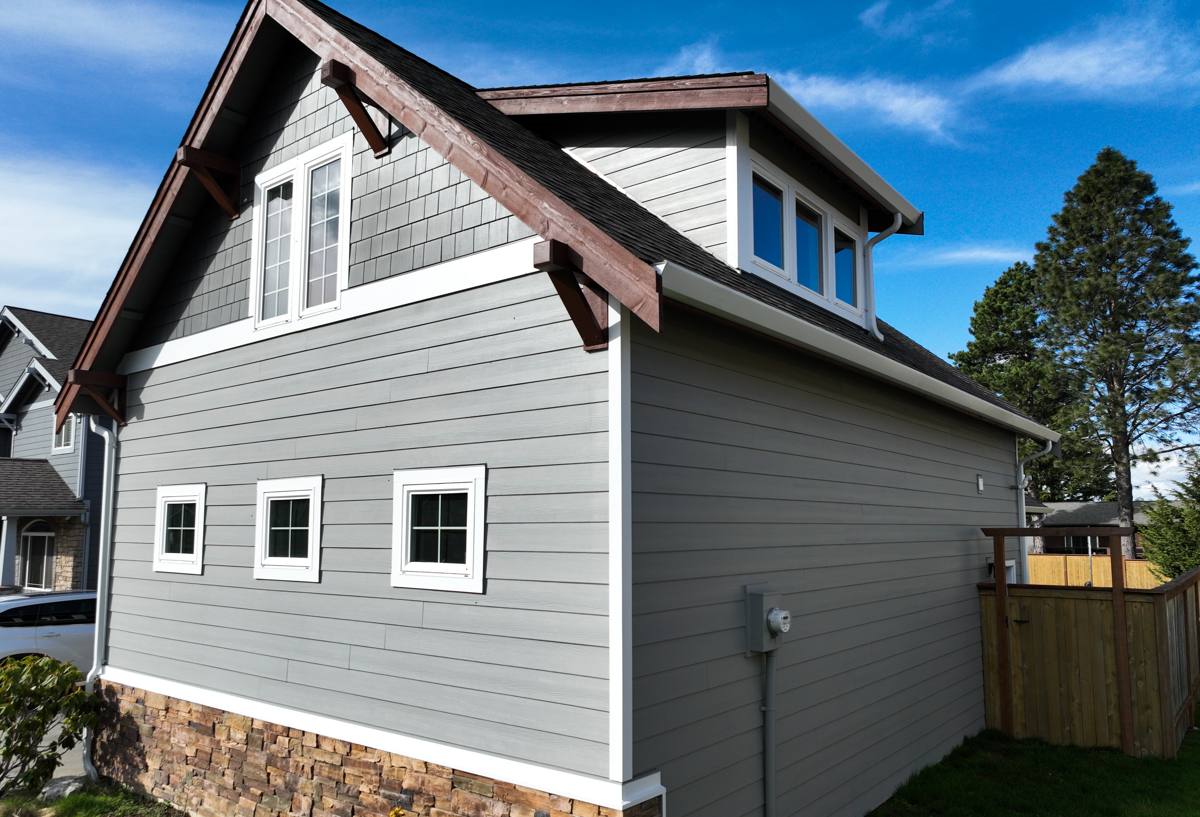
What Indian Rocks Beach Homes Are Up Against
Salt Air
Airborne salt doesn't just affect metal fasteners and hardware — it accelerates the breakdown of paint films, caulking, and lower-grade siding materials. On a barrier island, that exposure is constant, not occasional, which is why products and finishes that are "rated for coastal use" in general Florida marketing don't always hold up the same way a block or two from the water as they do further inland.
Year-Round UV
Florida sun is intense in every season, but a Gulf-front or near-Gulf property gets extra exposure from reflected light off the water. UV breaks down pigments and resins in paint and coatings over time, which is why fade and chalking show up faster on homes here than the same product would show inland.
Wind-Driven Rain
Storms don't just bring rain in Indian Rocks Beach — they drive it sideways, into seams, laps, and trim joints that would never see that kind of pressure in a typical inland rain event. Siding systems and flashing details that aren't built to shed wind-driven water eventually let moisture behind the cladding, which is where rot, mold, and structural damage start.
Hurricane-Force Wind
Pinellas County's barrier islands see the highest wind exposure in the county during tropical systems. Siding, trim, and roofing all need to be installed to hold up under sustained wind loads and wind-borne debris — not just look good on a calm day.
Why We Standardized on James Hardie Fiber Cement
We only install James Hardie fiber cement siding. We don't install vinyl, LP SmartSide, Cemplank, Allura, or primed wood species like spruce or cedar. That's not a marketing position — it's a professional standard we settled on after weighing how different siding materials actually perform in this exact environment over years, not just at installation.
Here's the honest version of why the alternatives are a harder sell on a barrier island property:
- Vinyl siding can soften, warp, or crack under sustained high heat and direct sun exposure, and it has lower wind-load ratings than fiber cement in most product lines — a real consideration on a property that takes the county's highest wind exposure.
- Wood-based composite sidings (LP SmartSide, engineered wood) use an engineered wood substrate. Even with factory treatments, wood-based products are more sensitive to sustained moisture exposure than fiber cement, and any breach in the factory coating gives water an entry point.
- Other fiber cement brands (Cemplank, Allura) are legitimate fiber cement products, but we've standardized on Hardie specifically for its factory-baked ColorPlus finish, its HZ5 climate-engineered formulation for Florida's humidity, and the depth of its transferable warranty coverage.
- Primed spruce or cedar looks great on day one, but it's a natural wood product that requires ongoing paint maintenance to stay sealed against moisture — a maintenance cycle that's demanding enough inland and tougher to keep up with in a salt-air environment.
James Hardie fiber cement is non-combustible, dimensionally stable in humidity swings, and manufactured with a factory ColorPlus finish that's baked on rather than field-applied — which matters a great deal in a location where UV and salt spray are working against any coating around the clock. Hardie's HZ5 product line is specifically engineered for Florida's climate, and the company backs its siding with a strong, transferable limited warranty that follows the house, not just the original owner.
James Hardie Product Lines We Install
| Product | Best Use | Notes for Coastal Homes |
|---|---|---|
| HardiePlank Lap Siding | Primary wall cladding | Most common choice; wide range of ColorPlus finishes and textures |
| HardiePanel Vertical Siding | Modern/coastal architectural accents | Popular for gable ends and contemporary coastal designs |
| HardieTrim | Corners, fascia, window/door trim | Fiber cement trim resists the moisture intrusion that wood trim is prone to |
| HardieSoffit | Eaves and overhangs | Vented and non-vented options; resists humidity and salt exposure |
Beyond Siding: Roofing, Windows, and Decks
Siding is only one piece of a home's exterior envelope, and on a barrier island the pieces all depend on each other. A well-installed siding system can still fail if the roof above it isn't shedding wind-driven rain correctly, or if window flashing isn't properly integrated with the wall assembly. We handle roofing, windows, and decks alongside siding so the exterior gets treated as one connected system rather than separate projects done by separate crews at different times.
Roofing
Roof coverings and underlayment take the brunt of both UV and wind in a coastal exposure. We evaluate the whole roof assembly — not just the shingles or tiles on top — when we're on-site for an estimate.
Windows
Impact-rated and properly flashed windows matter more on the barrier island than almost anywhere else in the county, both for storm protection and for keeping wind-driven rain from finding its way behind the wall assembly.
Decks
Outdoor living space is part of the appeal of living in Indian Rocks Beach, but decks take constant salt and sun exposure with no siding or roof covering to shield them. Material choice and fastener quality matter more here than on an inland deck.
Wind and Code Considerations for Coastal Pinellas County
Homes in Indian Rocks Beach fall under Florida Building Code wind provisions for coastal wind-borne debris regions, and Pinellas County's barrier islands sit at the higher end of the county's wind exposure categories. That affects fastening schedules, trim details, and how siding is installed at corners, edges, and around openings — the same product installed to a lower wind-load spec elsewhere can perform very differently here if it's not installed correctly for this exposure. We install to the specifications the wind zone actually calls for, not the minimum a product technically allows.
What a Siding Project Looks Like in Indian Rocks Beach
Every home and every budget is different, but the general process holds steady:
- On-site evaluation of existing siding, trim, and any moisture or substrate issues found during removal
- Product and color selection from James Hardie's ColorPlus lineup, matched to the home's style and any HOA guidelines that apply
- Proper house-wrap and flashing detail work before a single piece of siding goes up — this is where most long-term failures actually start
- Installation to Hardie's fastening specifications for this wind zone
- Final trim, caulking, and cleanup
Homeowner Maintenance Checklist for Coastal Siding
Even with a durable, factory-finished product like Hardie, a few habits go a long way on a barrier island property:
- Rinse siding periodically with a garden hose to clear accumulated salt residue, especially on Gulf-facing walls
- Inspect caulking at trim joints, window/door surrounds, and penetrations once or twice a year
- Walk the exterior after any significant storm to check for loose trim, damaged fascia, or debris impact
- Keep irrigation heads and sprinklers from spraying directly on siding, which can cause mineral staining over time
- Have your roof and window flashing checked periodically — siding problems often start as water intrusion from somewhere else
Why a Local Crew Matters Here
A contractor who mostly works inland projects doesn't necessarily think in terms of salt exposure, barrier-island wind loads, or how a house on a narrow lot near the Intracoastal handles drainage differently than one on a standard inland lot. We work across Pinellas County, including Largo, Clearwater, and the surrounding coastal communities, and we bring that same coastal-specific judgment to every Indian Rocks Beach property — from how we detail flashing to which Hardie product line actually makes sense for a given exposure.
If you're planning a siding, roofing, window, or deck project in Indian Rocks Beach, we're happy to take a look and give you a straightforward, no-pressure estimate. Use the form below to get started.