 Largo Siding
 Siding Built for Pinellas Park's Climate
Pinellas Park sits inland from the coast but still lives under the same Gulf-driven weather pattern as the rest of Pinellas County. Homes here deal with long, humid summers, sudden afternoon thunderstorms that push rain sideways, intense UV exposure nearly year-round, and the outer bands of tropical systems that move through on a regular basis. None of that is dramatic on any single day, but it adds up fast on a home's exterior. Siding, trim, and paint that would last two or three decades in a drier, milder climate often start showing real wear here in half that time.
We're a local exterior contractor serving Largo and the surrounding Pinellas County communities, including Pinellas Park. We install siding, roofing, windows, and decks, and we've built our siding practice around one product line: James Hardie fiber cement. That's not a marketing angle — it's a decision based on what actually holds up in this environment versus what tends to become a maintenance headache.
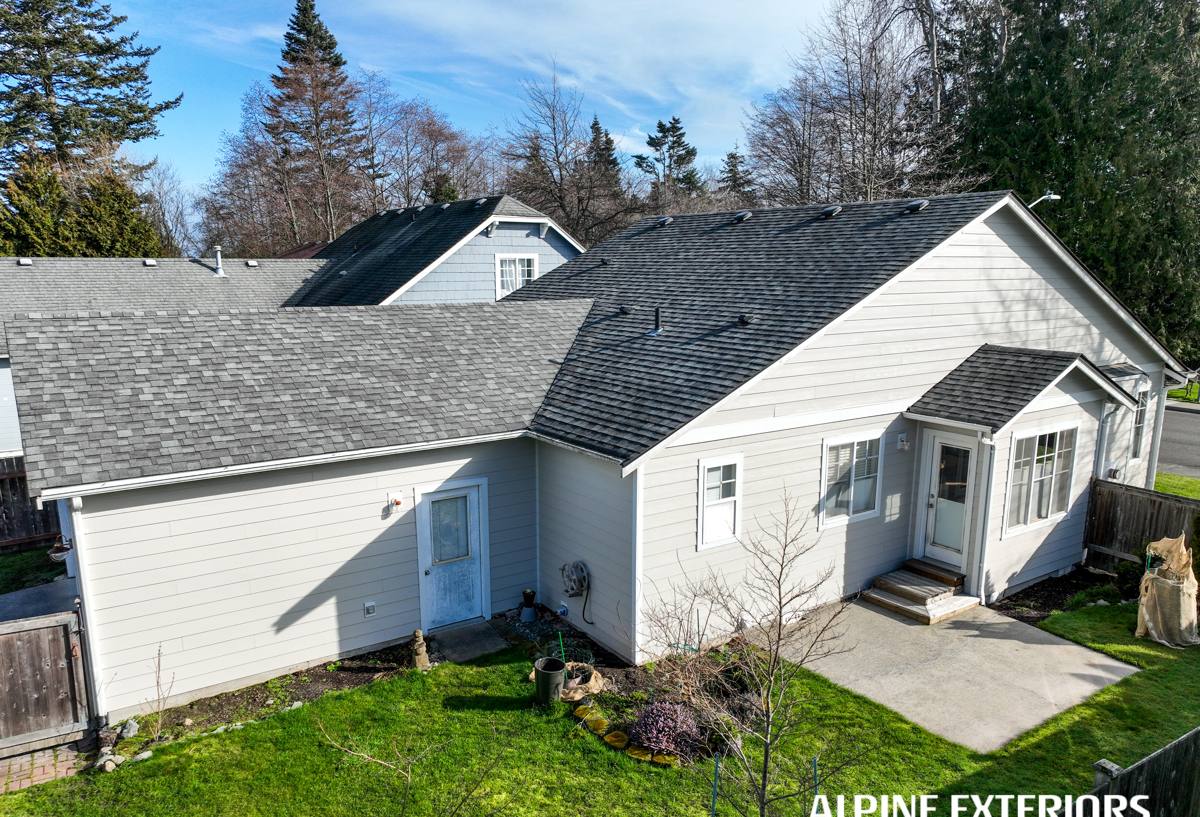
What Pinellas Park Homes Are Up Against
Heat and UV
Florida sun is hard on exterior materials in a way homeowners who haven't lived through a full summer here don't always expect. UV breaks down pigments and resins over time, which is why painted wood and some engineered wood products chalk, fade, or need repainting far sooner than their rated lifespan suggests. Siding that isn't built to resist UV degradation will show it first in color loss, then in surface breakdown.
Wind-Driven Rain
Afternoon storms in this part of the county don't just drop rain straight down — wind pushes it sideways and up under laps, trim, and joints. Any siding product with weak moisture resistance at the panel edges or a installation that isn't sealed and flashed correctly will eventually let water behind the cladding. Once moisture gets behind siding and can't dry out, rot and mold follow, and by the time it's visible from the outside, the damage underneath is usually further along than it looks.
Salt Air
Pinellas Park isn't beachfront, but it's close enough to Tampa Bay and the Gulf that salt-laden air still reaches homes here, especially with onshore winds. Salt accelerates corrosion of fasteners and metal components and can contribute to premature wear on some finishes. It's a lower-intensity version of what coastal Largo and Clearwater homes deal with directly, but it's real, and it's a factor we account for in materials and hardware.
Storm Season
Hurricane-force wind events are an occasional but serious risk for this area. Siding doesn't need to be storm-rated to matter here — it needs to stay fastened, resist wind uplift at the edges and corners, and not become flying debris itself. Poor installation is usually the failure point in wind events, not the base material, which is why installation quality matters as much as product choice.
Why We Only Install James Hardie
We used to get asked about vinyl, LP SmartSide, and other fiber cement or composite brands more often before we standardized. Here's the honest version of why we don't install them anymore, product by product.
Vinyl Siding
Vinyl is inexpensive and easy to install, and that's genuinely why it's popular. But it's a petroleum-based plastic that softens and can warp in sustained high heat, and prolonged direct sun exposure causes it to fade and become brittle over years. In a climate with this much heat and UV, that's a real durability trade-off, not a hypothetical one. It's also not a great match visually for the fiber cement, board-and-batten, and shake profiles more homeowners in this area are asking for.
LP SmartSide and Engineered Wood
Engineered wood siding has improved a lot over the years and has real fans. Our concern is moisture. Wood-based products, even engineered ones with resin treatments, are more vulnerable to swelling and edge deterioration when they take on water repeatedly — which is exactly the pattern wind-driven Florida rain creates. Once the edges start to swell or the surface takes damage, the failure tends to progress rather than stay contained.
Cemplank, Allura, and Other Fiber Cement Alternatives
These are legitimate fiber cement products and share the basic chemistry advantages of the category — non-combustible, resistant to rot and pests. Our decision to standardize on James Hardie specifically comes down to their ColorPlus factory-applied finish system, their HZ5 formulation engineered for Florida-specific heat and moisture conditions, and the strength and transferability of their warranty. We'd rather install one product line extremely well and stand behind it fully than split our expertise across several.
Primed Spruce and Cedar
Real wood siding looks great and plenty of people love it. It also requires the most ongoing maintenance of anything on this list — repainting, caulking, and monitoring for moisture damage on a schedule that most homeowners underestimate going in. In this climate, that maintenance schedule compresses further. We're upfront with clients that wood siding is a legitimate aesthetic choice, but it's a high-commitment one here.
What James Hardie Gets Right for This Area
- Non-combustible core: fiber cement doesn't feed a fire the way wood-based products can.
- Moisture resistance: engineered to hold up against humidity and wind-driven rain without swelling or rotting.
- Factory-applied ColorPlus finish: baked-on finish resists fading and chipping better than field-applied paint, and it isn't dependent on a repaint schedule to look right.
- HZ5 climate engineering: Hardie's HZ5 product line is specifically formulated for high-humidity, high-moisture climates like ours, as opposed to a one-size-fits-all national product.
- Pest resistance: termites and other wood-boring pests don't touch it, which matters in Florida.
- Transferable warranty: a real, documented warranty that carries some value if the home sells.
Product and Cost Factors to Weigh
| Factor | What It Affects | Why It Matters Here |
|---|---|---|
| Siding profile (lap, shake, board-and-batten) | Upfront material cost, labor time | Profile choice is mostly aesthetic; all are available in Hardie's climate-engineered lines |
| Home size and complexity | Total project cost | More corners, dormers, and trim detail increase both material and labor |
| Existing siding removal | Labor cost, timeline | Tear-off and disposal of old siding or water-damaged sheathing adds time |
| Underlying sheathing condition | Repair cost before install | Wind-driven rain damage found during tear-off has to be addressed before new siding goes on |
| Trim and finish package | Overall project cost | Factory-primed vs. ColorPlus finished trim affects long-term maintenance |
We give straightforward, itemized estimates rather than vague ranges pulled from a national average, because so much of the real cost on a Florida home depends on what's actually underneath the existing siding.
Installation Quality Is What Actually Determines Performance
Fiber cement siding installed incorrectly gives up most of its advantages. Manufacturer-specified fastening patterns, proper flashing at windows and doors, correct clearance at grade, and sealed joints are what keep wind-driven rain out and keep panels secured in high wind. We install to James Hardie's published specifications, not shortcuts that speed up a crew but leave gaps for water or wind to exploit. A local crew that has installed on homes throughout Pinellas County knows the specific failure points to watch for — where storm winds tend to hit hardest, where humidity causes the most trouble, and where prior installations in this area have gone wrong.
Beyond Siding: Roofing, Windows, and Decks
Siding is one piece of a home's exterior envelope, and in Pinellas Park it rarely makes sense to look at it in isolation. Roofing takes the most direct hit from sun, wind, and rain of any exterior component, and roof condition affects how well siding and trim perform underneath it. Windows are a common entry point for wind-driven rain if seals and flashing have degraded, and replacing or upgrading them alongside siding work is often more efficient than treating them as separate projects. Decks exposed to Florida sun and rain year-round have their own wear patterns and material considerations. We handle all four so a homeowner isn't coordinating separate contractors and separate warranties for parts of the same building envelope.
Why a Local Crew Matters
Pinellas Park and the surrounding Largo area have specific building conditions — the housing stock, the wind exposure, the moisture patterns — that differ from generic national installation guidance. A crew that works this area regularly knows what to check for during tear-off, understands the permitting process with the relevant local authorities, and can speak plainly about what a given home actually needs versus what a sales pitch might suggest. We're not a national franchise passing through; we're based in this county and plan to be here to stand behind the work.
What to Look For If You're Comparing Contractors
- Manufacturer certification or documented training on the specific product being installed
- Willingness to explain the installation process in detail, not just the finished look
- Clear, itemized estimates rather than a single lump number
- Proper licensing and insurance, verifiable through Florida's licensing search tools
- A real physical presence in the county, not just a mailing address
- A warranty that's explained in writing, including what is and isn't covered
Get a Free Estimate
If you're weighing a siding, roofing, window, or deck project for a Pinellas Park home, we're happy to take a look and give you a straightforward, no-pressure estimate. Use the form below to get started.