 Largo Siding
 Pinellas Park Homes Face a Tough Combination of Stressors
Pinellas Park sits in the middle of Pinellas County, close enough to both coasts to catch salt-laden air but inland enough that homeowners sometimes assume their siding is spared the worst of what beachfront properties deal with. That assumption costs people money. Wind-driven rain off Tampa Bay and the Gulf still reaches Pinellas Park streets, intense year-round UV bakes painted and vinyl surfaces from above, and hurricane-force wind events test every fastener and seam in a home's exterior. Add the humidity that never really lets up, and you have a climate that punishes siding that was built for milder markets.
None of this means Pinellas Park needs exotic materials or unusual techniques. It means the installation has to be done correctly, with the right product, the right water management behind it, and fasteners set to hold through wind loads the manufacturer actually rated it for. Most siding failures we see in this area trace back to shortcuts taken during installation, not defects in the material itself.
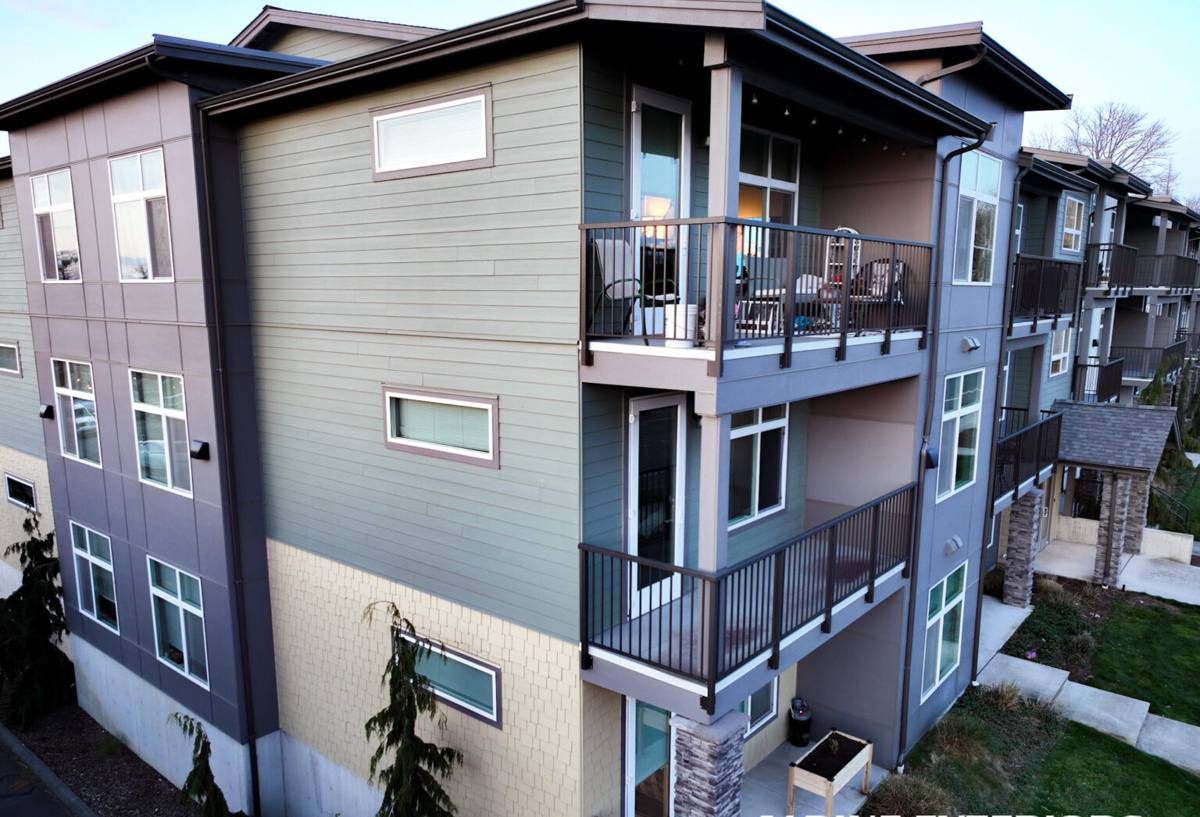
What "Correct" Siding Installation Actually Involves
Siding looks simple from the street, but the parts nobody sees are what determine whether it lasts fifteen years or forty. A proper installation on a Pinellas Park home includes:
- A code-compliant weather-resistive barrier installed with correct laps, so water that gets behind the siding drains out instead of soaking into sheathing
- Flashing at every window, door, and roof-to-wall intersection, since these are the points where wind-driven rain finds its way in first
- Correct fastener type, spacing, and penetration depth, matched to the wind zone the home sits in — not just "close enough"
- Proper clearance between the bottom of the siding and the ground, roofline, decks, or patios, so moisture doesn't wick up into the material
- Caulking and sealant used only where the manufacturer specifies it, not as a substitute for flashing that was skipped
Every one of those steps is inspectable, and every one of them is easy to skip on a rushed job. On a home in this climate, skipping any of them shortens the life of the siding regardless of what brand name is on it.
Why We Only Install James Hardie Fiber Cement
We made a decision as a company to install James Hardie fiber cement siding exclusively, and we don't install vinyl, LP SmartSide, Cemplank, Allura, primed spruce, or cedar. That's not a marketing position — it's a practical one, built around what actually holds up under Pinellas County conditions over decades, not just the first few years after installation.
Fiber cement is non-combustible, which matters in a state where wildfire risk is rising and where insurance carriers increasingly ask about exterior materials. It doesn't soften, warp, or sag in high heat the way vinyl can on a west-facing wall that bakes in Florida sun all afternoon. It holds paint and factory finish far longer than wood-based products, and it resists the moisture-driven rot that eventually catches up with engineered wood siding in humid climates, especially where lawn sprinklers, poor grading, or heavy rain keep the lower courses damp.
James Hardie also engineers specific product lines for different climate zones through its HardieZone system, and Pinellas Park falls into the humid, high-UV HZ5 zone. That means the boards, the factory finish, and the installation guidelines we follow are built for exactly the conditions this area produces, not a generic national spec.
What We're Not Saying About Other Products
Vinyl siding, LP SmartSide, and the other fiber cement brands we don't install all have legitimate uses and satisfied customers elsewhere. Vinyl is inexpensive and low-maintenance in mild climates. Engineered wood has a warmer, more traditional look that some homeowners prefer. Our reasoning is narrower than "these products are bad" — it's that we've chosen to specialize in one system we can install, warranty, and stand behind with full confidence in this specific climate, rather than stock five product lines and hope each performs equally well on a Gulf Coast home.
Comparing Siding Options for a Pinellas Park Home
| Factor | Vinyl | Engineered Wood | James Hardie Fiber Cement |
|---|---|---|---|
| UV/fade resistance | Fades and chalks over time | Moderate; depends on paint quality | ColorPlus factory finish resists fading |
| Wind performance | Can crack or blow off in high gusts | Good when installed to spec | Engineered and rated for high-wind zones |
| Moisture/rot risk | Low rot risk, but traps moisture behind panels | Vulnerable if moisture reaches the substrate | Fiber cement does not rot |
| Fire rating | Combustible | Combustible | Non-combustible |
| Typical repaint interval | N/A (color molded in, fades regardless) | 5-10 years | 15+ years with ColorPlus finish |
Upfront cost differences between these materials are real, and we'll walk through them honestly during an estimate. What the table doesn't show is long-run cost: repainting, caulk maintenance, and earlier replacement all add up over a 20-30 year ownership window, which is the timeframe most Pinellas Park homeowners actually care about.
Our Process for a Pinellas Park Installation
1. On-Site Assessment
We look at the existing siding and sheathing condition, check for prior water intrusion around windows and rooflines, and identify anything the wind and rain in this area may have already damaged behind the surface.
2. Tear-Off and Substrate Repair
Old siding comes off, damaged sheathing gets replaced, and we don't cover up rot or soft spots — that's the single most common reason a "new" siding job fails within a few years.
3. Water Management Layer
A correctly lapped weather-resistive barrier and flashing at every penetration go on before a single piece of Hardie board is hung. This is the layer that actually keeps wind-driven rain out, not the siding itself.
4. Installation to Manufacturer and Wind-Zone Spec
Fastener spacing, board overlap, and clearances are set to match both James Hardie's published specifications and the wind requirements for this part of Florida.
5. Finish Details
Trim, corners, and caulking are finished to shed water rather than rely on sealant alone, and we walk the job with the homeowner before calling it done.
Signs Your Pinellas Park Home's Siding Needs Attention
Because of the combination of sun exposure and moisture in this area, siding problems tend to show up in specific ways here:
- Fading or chalking that's noticeably worse on south- and west-facing walls
- Soft spots or visible swelling near the ground line, roof intersections, or around window trim
- Cracked or missing caulk joints after a season of storms
- Panels that flex, rattle, or show gaps after high-wind events
- Paint that's peeling faster than expected for its age, often a sign moisture is trapped underneath
Any of these are worth a look before they turn into sheathing repair, which costs considerably more than resurfacing the exterior alone.
What to Ask Before Hiring a Siding Contractor
Not every contractor working in Pinellas County installs to the same standard, and siding is one of those trades where poor workmanship doesn't show up until years later. Before hiring anyone, ask:
- Are you licensed and insured to do exterior work in Florida, and can you provide proof?
- Who manufactures the flashing and weather barrier you use, and can you explain how water is managed behind the siding?
- What fastener schedule do you follow, and is it matched to this area's wind requirements?
- Do you replace damaged sheathing you find, or install over it?
- What does the manufacturer's warranty actually cover, and is it transferable if I sell the home?
Why Local Experience in Pinellas Park Matters
A crew that regularly works in Pinellas Park and the surrounding Pinellas County area already knows how the local wind and moisture patterns behave against a home's exterior, what inspectors here look for, and which details tend to fail first on homes of this area's age and construction type. That's different from a crew installing the same product in a drier, calmer climate. Familiarity with local conditions doesn't replace good workmanship, but it does mean fewer surprises and fewer callbacks.
After Installation: Keeping Hardie Siding Performing
James Hardie siding is low-maintenance, not no-maintenance. A rinse-down once or twice a year removes salt residue and organic buildup, caulk joints are worth a visual check after major storms, and any impact damage should be addressed promptly so moisture doesn't find a way behind the panel. Beyond that, the ColorPlus finish is designed to go many years without repainting, which is a meaningful difference from products that need attention every few seasons in this climate.
If your Pinellas Park home's siding is aging, storm-damaged, or you're planning ahead of the next hurricane season, we're happy to take a look and give you an honest, no-pressure estimate — no obligation, just a clear picture of what your home needs.