 Largo Siding
 Why Windows Wear Out Faster on Treasure Island
Treasure Island sits on a barrier island, which means every window on a home there is fighting a harder battle than the same window would face a few miles inland. Salt-laden air corrodes hardware, hinges, and even the metal reinforcement inside some frames. Intense, near-constant Gulf Coast sun breaks down seals, vinyl, and glazing compounds years ahead of schedule. Wind-driven rain during summer storms finds its way through any gap in flashing or caulk that a lesser installation left behind. And when a hurricane or tropical storm pushes through Pinellas County, older windows are often the weakest point in an otherwise solid home.
None of this means Treasure Island homeowners are stuck replacing windows constantly. It means the replacement has to be matched to the environment from day one — the right glass, the right frame, and an installation that actually accounts for a barrier island's exposure. A window that would be perfectly fine in a sheltered inland neighborhood can fail early here if it's the wrong product or it's installed without attention to local conditions.
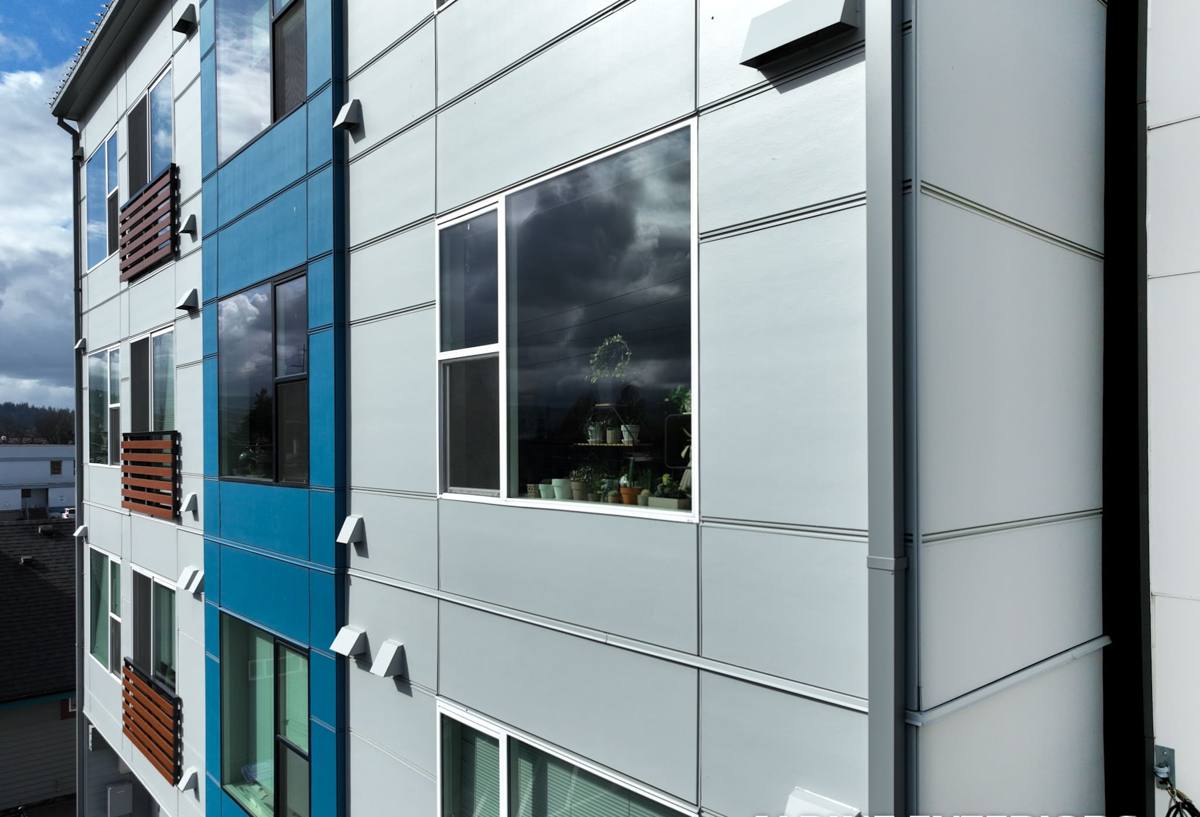
What Correct Window Replacement Actually Involves
Window replacement sounds simple — old window out, new window in — but the parts that determine whether it lasts happen before and after the glass is even set. On a coastal property, three things matter more than anything else:
Flashing and Water Management
Every window opening needs a drainage path that gets wind-driven rain back outside the wall, not into the framing. That means proper sill pans, correctly lapped flashing tape, and sealants rated for sun and salt exposure — not just caulk from the hardware store. Skipping this step is the single most common reason a "new" window starts leaking or causing hidden wood rot within a few years.
Structural Attachment
A window has to be fastened to the structure in a way that transfers wind load into the framing correctly. This is especially important on Treasure Island homes exposed to open water views and unobstructed wind. The fastening schedule, shim placement, and anchor type all have to match what the window's engineering specifies — not a generic approach used on every job regardless of exposure.
Air and Moisture Sealing
Interior and exterior sealing are two different jobs. The exterior seal keeps bulk water out; the interior seal controls air infiltration and condensation. Both need to be done, and done with materials that won't turn brittle after a few Florida summers.
Impact-Rated vs. Standard Windows: What the Difference Actually Means
Homeowners on Treasure Island often ask whether they need impact-rated windows or whether standard windows plus shutters are enough. Both are legitimate paths, but they come with different trade-offs worth understanding before you decide.
| Factor | Impact-Rated Windows | Standard Windows + Shutters |
|---|---|---|
| Storm protection | Built into the window itself; no action needed before a storm | Effective only if shutters are deployed in time |
| Upfront cost | Higher per window | Lower window cost, but shutters add their own expense |
| Daily living | No visual change; glass stays clear and unobstructed | Some shutter types affect the look of the home when open or stored |
| UV and noise reduction | Laminated glass typically cuts noise and UV more than standard glass | Depends entirely on the base window's glass package |
| Maintenance | Frame and seals only | Frame, seals, plus shutter hardware and tracks |
| Insurance considerations | Often recognized favorably by insurers for wind mitigation | May qualify depending on shutter type and documentation |
There's no universal right answer — a home's exposure, budget, and how it's used all factor in. What matters is that whichever route you take, the product is rated for the wind zone Pinellas County requires and installed to match that rating on paper and in practice.
Frame Materials: Matching the Product to the Environment
Frame material affects how well a window holds up to salt air and sun over the long run. None of these are "bad" products — they're trade-offs, and the right one depends on the home and the homeowner's priorities.
| Frame Material | Strengths | Trade-offs Near the Coast |
|---|---|---|
| Vinyl | Won't corrode, low maintenance, good insulator | Quality varies widely between manufacturers; needs UV-stable formulation |
| Aluminum | Strong, slim sightlines, handles large openings well | Requires marine-grade coatings or finishes to resist salt corrosion |
| Fiberglass | Very stable dimensionally, resists warping in heat | Higher material cost; fewer color/finish options in some lines |
| Wood-clad | Traditional interior appearance | Highest maintenance burden in salt air; not our default recommendation for direct coastal exposure |
We steer most Treasure Island homeowners toward vinyl or fiberglass for exterior-facing openings, simply because they hold up with the least ongoing maintenance in a salt-air environment. That's a maintenance and moisture-behavior call, not a statement that other materials can't work — some homeowners have specific aesthetic goals that make a different material worth the extra upkeep, and we'll walk through that honestly.
Permitting and Code Requirements Homeowners Should Know
Window replacement on Treasure Island isn't a job you can do without a permit, and for good reason — the Florida Building Code's wind-borne debris and wind load requirements exist specifically because of storms like the ones this coastline sees. Permits typically go through the local building department covering Treasure Island, and inspections confirm the installed product matches its approved rating and the installation follows the manufacturer's engineering.
A few things worth knowing as a homeowner:
- Replacement windows generally need to meet current wind load requirements for the property's location, even if the home was built under an older code.
- Product approval documentation (matching the window's rating to what's installed) should be available for the permit file and for insurance purposes later.
- Energy code requirements also apply — glass and frame performance affect a home's overall energy compliance, not just its storm rating.
- Skipping the permit process might save time upfront, but it can create real problems at resale or during an insurance claim if the work can't be verified.
We handle the permitting and inspection coordination as part of the job, so it's one less thing a homeowner has to chase down.
How Our Process Works
The actual replacement follows a consistent sequence, whether it's one window or a whole house:
- On-site assessment. We look at existing frames, sills, and surrounding wall material to check for hidden moisture damage before quoting anything.
- Product selection. We walk through impact vs. non-impact options, frame materials, and glass packages based on the home's exposure and the homeowner's budget and priorities.
- Permitting. We pull the required permit and make sure the specified products carry the correct approvals for the site's wind zone.
- Removal and prep. Old windows come out carefully to protect surrounding siding, stucco, or trim, and we inspect the opening for rot or water damage before anything new goes in.
- Installation. Sill pans, flashing, and sealants go in per manufacturer specification, followed by the window itself, shimmed and fastened to the load requirements for the opening.
- Interior and exterior finish. Trim, caulking, and interior sealing are completed to a clean, finished appearance.
- Final inspection. The local building department signs off before we consider the job done.
Signs Your Windows May Need Replacing
Not every issue means a full replacement, but these are the signals worth having a professional look at sooner rather than later:
- Fogging or moisture between panes of double-glazed glass, which means the seal has failed
- Frames that feel soft, chalky, or show visible corrosion around hardware
- Difficulty opening, closing, or locking a window that used to operate smoothly
- Visible daylight or a noticeable draft around the frame when it's closed
- Water staining on interior walls or sills below or beside the window
- Windows that predate current wind-borne debris code requirements and lack any storm protection
- Noticeably higher cooling bills that track with a room's window exposure
Keeping New Windows Performing After Installation
A correctly installed window on Treasure Island still needs some basic upkeep to hold up against salt air and sun over the years:
- Rinse frames and hardware periodically to clear salt residue, especially on homes closer to the water
- Check and re-lubricate locks and rollers on operable windows so hardware doesn't seize from corrosion
- Inspect exterior caulking annually and have any cracked or shrinking sealant redone before it lets water in
- Keep an eye on interior sills and drywall after major storms for any signs of intrusion that need prompt attention
None of this is heavy maintenance — it's the kind of periodic check that catches small issues before they become bigger repairs.
Why a Crew That Knows This Island Matters
Treasure Island homes face a specific combination of conditions — barrier island salt exposure, open wind fetch off the Gulf and the Intracoastal, and a permitting process shaped by Pinellas County's coastal wind requirements. A contractor who mainly works inland properties may default to installation habits that don't account for that exposure, even with a good product. A crew that regularly works this area already knows what flashing details matter most, which products hold up here, and how the local permitting and inspection process actually runs — which means fewer surprises and a job that's built for the environment it's actually going into, not a generic one.
If you're weighing whether it's time to replace windows on a Treasure Island property, we're happy to take a look and lay out honest options — no pressure, no obligation. Reach out for a free estimate, and we'll walk the property with you and talk through what actually makes sense for your home.