 Largo Siding
 Siding Built for a Barrier Island
Madeira Beach sits on a narrow barrier island in Pinellas County, with the Gulf of Mexico on one side and the Intracoastal Waterway on the other. That location is what makes it a great place to live, and it's also what makes exterior materials fail faster there than almost anywhere else in the region. Homes on or near the island take a constant combination of salt-laden air, direct Gulf wind, intense UV exposure, and the kind of wind-driven rain that finds every gap in a wall system. Siding that performs fine ten miles inland can start showing problems within a few years out here.
We work throughout Pinellas County out of Largo, and Madeira Beach is one of the areas where the difference between a properly specified exterior and a builder-grade one shows up fastest. This page walks through what the coastal environment does to siding, why we only install James Hardie fiber cement, and what to expect from a local crew that understands barrier island conditions.
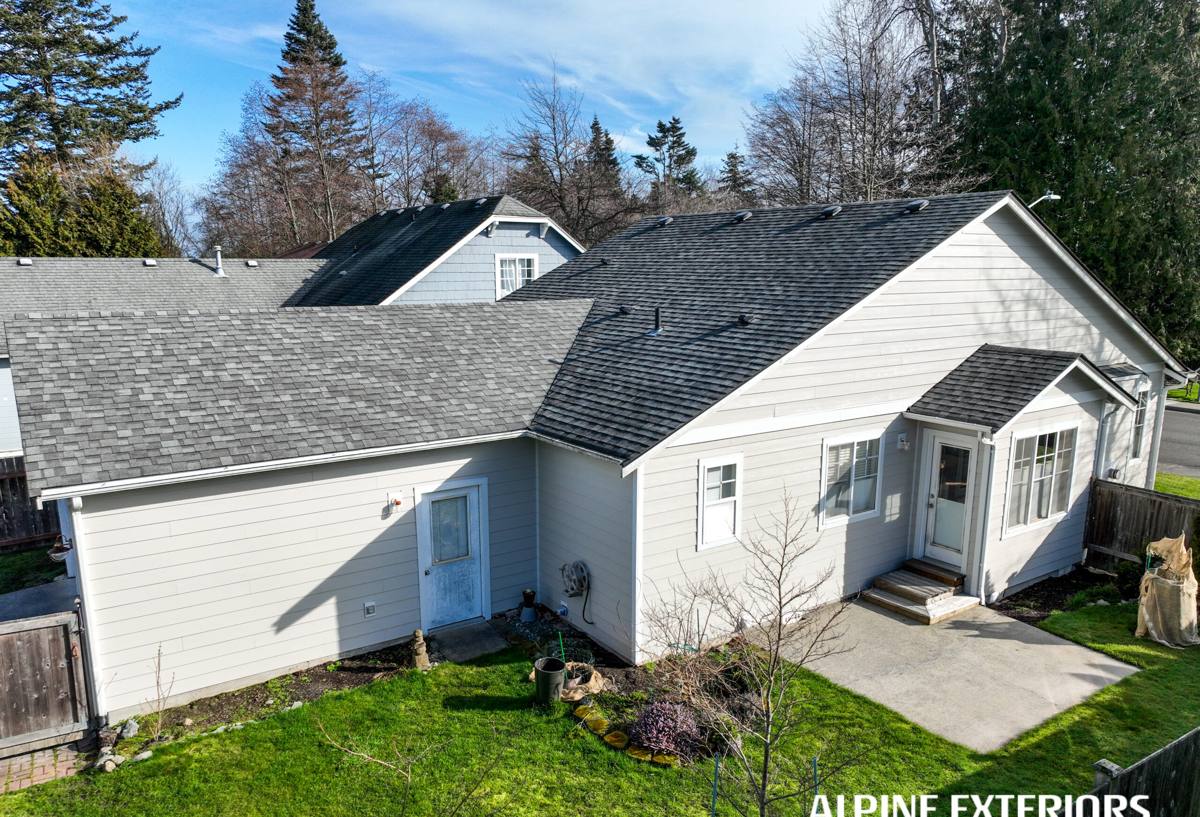
What the Coastal Environment Does to a House
Salt Air and Corrosion
Airborne salt doesn't just affect metal railings and hinges — it settles on siding surfaces, works into seams and fastener heads, and accelerates the breakdown of anything not engineered to handle it. Over time, salt exposure can pit and corrode fasteners, degrade paint films, and leave a chalky residue on softer materials. It's a slow, constant process that's easy to underestimate until a wall section is showing real damage.
Wind and Wind-Driven Rain
Pinellas County sits in a hurricane-exposed part of the Gulf Coast, and Madeira Beach's open exposure to the water means it catches wind loads that inland Largo neighborhoods don't see to the same degree. Beyond named storms, routine Gulf breezes push rain sideways into wall assemblies far more often than most homeowners realize. Siding with weak seams, poor lap design, or gaps at penetrations lets that water behind the cladding, where it can sit against sheathing and framing.
UV and Humidity
Florida's UV load is intense and year-round, not seasonal. Combined with the humidity that sits over the Gulf coast most of the year, it's a hard combination for paint films and less durable siding substrates — colors fade, coatings chalk and crack, and materials that absorb moisture stay damp longer between rain events, which invites rot and mold.
Why We Only Install James Hardie Fiber Cement
We don't install vinyl, LP SmartSide, or other engineered wood or fiber cement alternatives. That's a deliberate standard, not a sales pitch, and it comes directly from what we see on coastal Pinellas County homes.
- Non-combustible material. Fiber cement doesn't burn, which matters for insurance considerations and general fire safety regardless of location.
- Moisture behavior. Fiber cement is dimensionally stable and doesn't swell, delaminate, or absorb water the way engineered wood products can when a seam or cut edge is exposed to repeated wetting — a real risk in a wind-driven rain environment.
- Factory-applied finish. James Hardie's ColorPlus finish is baked on in a controlled factory setting and backed by its own finish warranty, which holds up better against UV fade and salt exposure than field-applied paint on cut edges and touch-ups.
- Climate-engineered product lines. Hardie's HZ10 formulation is specifically engineered for high-humidity, moisture-prone climates like Florida's Gulf Coast, which is a meaningful difference from a generic national product.
- Warranty structure. James Hardie backs its products with a strong, transferable limited warranty — valuable both for current owners and for resale in a market where buyers are increasingly asking about exterior condition and hurricane resilience.
Vinyl siding is inexpensive and easy to install, but it softens and can warp in high heat, and its seams and clips are a known weak point in sustained high wind. LP SmartSide and similar engineered wood products perform reasonably in drier climates, but their long-term track record in salt air and constant humidity is a real trade-off we're not willing to install our name behind. We'd rather put a Hardie system on a barrier island home once and have it perform for decades than revisit a cheaper product in five to eight years.
How Fiber Cement Compares in a Coastal Environment
| Factor | James Hardie Fiber Cement | Vinyl | LP SmartSide / Engineered Wood |
|---|---|---|---|
| Salt air resistance | Strong — non-organic material, factory finish | Moderate — can chalk and become brittle | Weaker at cut edges and seams if not maintained |
| Wind performance | High — engineered for high-wind zones | Panels and clips are a common failure point | Adequate when installed and sealed correctly |
| Moisture / rot risk | Very low — cement-based, won't rot | Low rot risk but can trap moisture behind panels | Higher — wood-based core can swell if exposed |
| Fire rating | Non-combustible | Combustible | Combustible |
| Finish longevity | Factory ColorPlus finish, long fade resistance | Color molded through, but fades and chalks over time | Field-applied or factory finish, variable results |
| Typical warranty | Long, transferable limited warranty | Varies widely by manufacturer | Manufacturer-specific, shorter track record in coastal use |
What Drives the Cost of a Siding Project Here
Every Madeira Beach home is different, but the same handful of factors tend to move the price of a siding job up or down. We give honest, itemized estimates rather than a flat per-square-foot number, because the variables below genuinely change the scope of work.
| Cost Factor | Why It Matters |
|---|---|
| Removal of existing siding | Tear-off, disposal, and sheathing inspection add labor and can reveal hidden moisture damage |
| Home size and stories | More square footage and elevated stories mean more material and more setup/access work |
| Trim and architectural detail | Corner boards, window trim, and custom detailing take more time than flat wall runs |
| Product line and profile | Hardie's plank, shingle, and panel lines carry different material costs |
| Substrate condition | Rotten or water-damaged sheathing found during tear-off needs to be repaired before new siding goes on |
| Access and site conditions | Barrier island lots, tight setbacks, and elevated construction can affect staging and labor time |
Why a Local Crew Matters on the Island
Working in Madeira Beach isn't the same as working a standard inland Largo lot. Homes here are often elevated, built close to neighboring properties, and subject to Pinellas County permitting and wind-load requirements that a crew unfamiliar with coastal construction can easily get wrong. A local contractor who works this specific stretch of coastline regularly knows:
- How to sequence a tear-off and re-side so the home isn't left exposed during an unpredictable Gulf weather window
- What fastening schedules and flashing details actually hold up against sustained coastal wind and wind-driven rain
- How Pinellas County permitting and inspection requirements apply to exterior work on barrier island properties
- Where salt and moisture damage typically shows up first on a coastal home, so nothing gets missed during a walkthrough
That local familiarity is also why we can respond quickly after a storm event, rather than a homeowner waiting weeks for an out-of-area crew to get to the island.
Signs Your Siding May Need Attention
Coastal exposure accelerates problems that might take decades to appear elsewhere. If you're seeing any of the following, it's worth having someone take a closer look before it becomes a bigger repair:
- Visible warping, buckling, or gaps between siding panels or planks
- Soft or spongy spots when pressed, which can indicate moisture behind the siding
- Persistent chalking, fading, or a finish that's degraded faster than expected
- Corroded or discolored fasteners and trim pieces
- Higher energy bills without another clear explanation, which can point to a compromised building envelope
- Visible mold, mildew, or staining that keeps returning after cleaning
Siding Is Part of a Bigger Exterior System
On a coastal property, siding doesn't work in isolation. Roofing, windows, and siding all form one continuous barrier against wind and water, and a weakness in one usually shows up as damage in another. We handle roofing, windows, decks, and siding as one company specifically because gaps between separate contractors — a roofer who doesn't coordinate flashing with the siding crew, or a window installer unaware of the wall assembly behind the trim — are where coastal homes tend to develop leaks. When we look at a Madeira Beach exterior, we're looking at the whole envelope, not just one component.
What to Expect When You Work With Us
We start with an on-site inspection and an honest conversation about what your home actually needs — not a generic package. That includes checking the condition of the substrate underneath any existing siding, discussing which Hardie product line and profile fits the home, and explaining the real cost drivers up front so there are no surprises once work begins. Because we only install one manufacturer's system, our crews are deeply familiar with correct Hardie installation practices, including the fastening, clearance, and flashing details that matter most in a high-wind, high-moisture coastal environment.
If your Madeira Beach home is due for new siding, or you're not sure whether what you're seeing is normal wear or something more serious, we're happy to take a look. Reach out for a free, no-pressure estimate using the form below.