 Largo Siding
 Building Exteriors for a Barrier Island Community
Indian Shores sits on a narrow strip of land between the Gulf of Mexico and the Intracoastal Waterway, which means almost every home there is exposed to open water on at least one side, if not both. That's a beautiful place to live, but it's also one of the more demanding environments in Pinellas County for exterior building materials. Salt-laden air moves across these properties constantly, sun exposure is intense and nearly year-round, and the wind loads during storm season are higher than what you'd see even a few miles inland in Largo. Whatever goes on the outside of an Indian Shores home has to be chosen with that reality in mind, not just for how it looks the day it's installed.
We work throughout the Largo area, and Indian Shores is one of the communities where the difference between a siding product that's rated for coastal exposure and one that isn't becomes obvious fastest. This page walks through what that exposure actually does to a home's exterior over time, and how we approach siding, and the roofing, window, and deck work that often goes with it, on the barrier island.
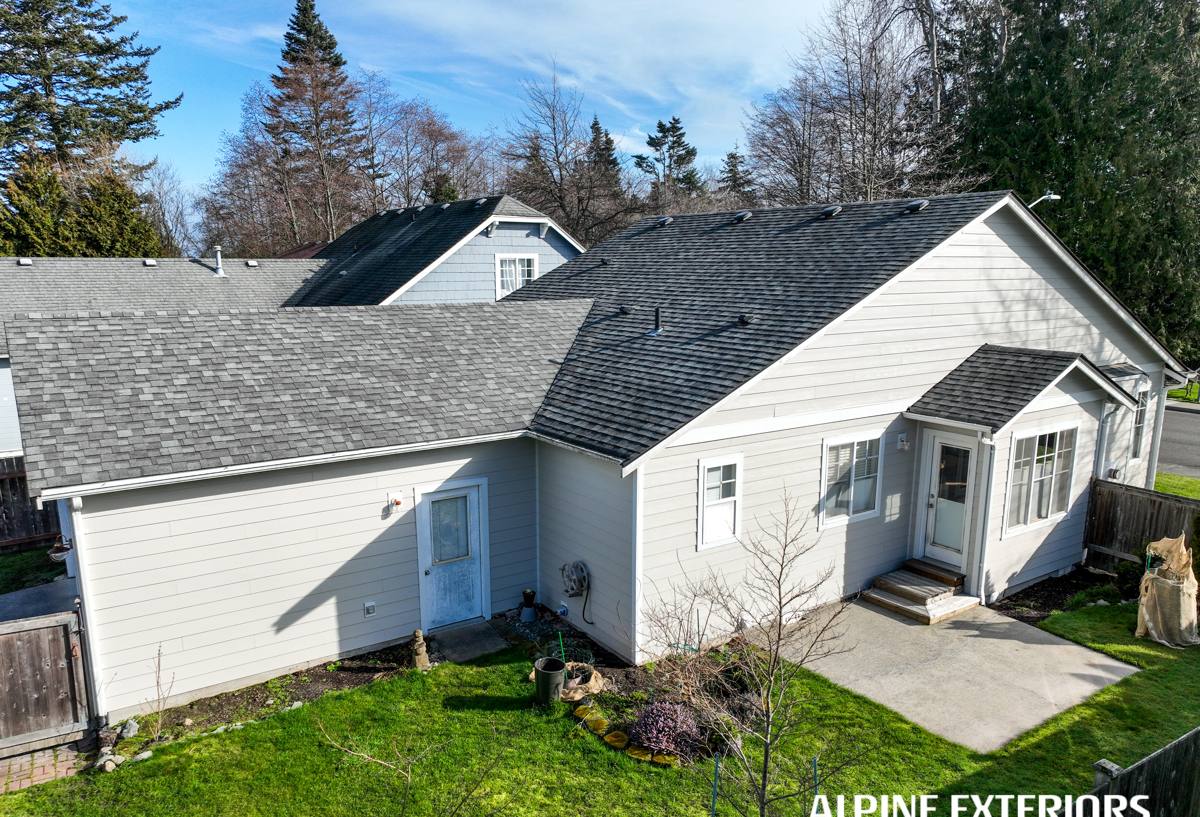
What the Coastal Environment Does to a Home Over Time
Salt Air and Corrosion
Airborne salt doesn't just affect metal fasteners and railings, though it does accelerate corrosion on anything not rated for coastal use. It also settles on siding, trim, and window frames as a fine residue that holds moisture against the surface longer than it would on a dry inland home. Materials that aren't dimensionally stable or that absorb moisture readily tend to show the effects of that cycle faster on the water side of the island than they would even a mile or two east on the mainland.
Wind-Driven Rain and Water Intrusion
Storms on the Gulf side of Pinellas County don't just bring rain, they bring rain that's pushed sideways under pressure. Wind-driven rain finds its way into gaps, laps, and penetrations that would stay dry in a normal downpour. On a barrier island home, the wall assembly behind the siding, the flashing details around windows, and the water-shedding design of the siding profile itself all matter more than they would somewhere with less wind exposure.
UV Exposure and Fading
With open water and open sky on most sides, Indian Shores homes get long, largely unobstructed sun exposure most of the year. Paint films that aren't formulated for that kind of UV load tend to chalk, fade, and break down faster here, which shows up as an exterior that looks tired well before the underlying material has actually failed.
Hurricane Wind Loads
Because it's a barrier island, Indian Shores sits in a higher wind zone than much of inland Pinellas County under Florida's building code. Siding, soffit, and roofing systems here need to be installed to the fastening and clearance specs that match that wind exposure, not the general minimum used in a less exposed area. This is one of the most common corners cut by out-of-area or inexperienced crews.
Why We Install Only James Hardie Fiber Cement Siding
We standardized on James Hardie fiber cement for every siding job we take on, including the barrier island work in Indian Shores, and we don't install vinyl, LP SmartSide, Cemplank, Allura, or raw wood siding like primed spruce or cedar. That's not a marketing position, it's a decision we made based on how these products actually hold up in exactly the conditions Indian Shores homes face.
Vinyl
Vinyl siding is affordable and easy to install, and for a lot of inland applications it does a reasonable job. On a barrier island, though, vinyl softens and can distort in sustained high heat, and it's rated for a specific wind pressure that's often at or near the limit for coastal exposure zones. It can also become brittle over time under intense UV, which becomes a real liability in storm winds. We don't think it's the right long-term investment for a Gulf-facing home.
LP SmartSide, Cemplank, and Allura
LP SmartSide is an engineered wood product, and wood-based sidings, no matter how well engineered, are more vulnerable to moisture intrusion and swelling at cut edges and joints than fiber cement is. Cemplank and Allura are both fiber cement competitors to Hardie, and they're not unreasonable products, but we've standardized on one manufacturer so we can guarantee consistent factory finish quality, warranty terms, and installation detailing across every job. Hardie's ColorPlus finish and HZ5 product line, engineered specifically for humid, high-moisture climates, is the version of fiber cement we trust most for this coastline.
Primed Spruce and Cedar
Real wood siding has a look that some homeowners love, but on a barrier island it requires the most maintenance of any option: regular repainting, careful caulking, and vigilance around any spot where water can sit. Given the salt air and humidity here, we don't think it holds up to the standard we want to put our name behind.
What James Hardie Gets Right for This Location
- Fiber cement is non-combustible, which matters for insurance considerations in a wind-driven fire scenario
- It doesn't swell, rot, or attract wood-destroying insects the way wood-based products can
- The ColorPlus factory finish is baked on and engineered to resist UV fading better than field-applied paint
- HZ5 (HardieZone 5) panels are specifically engineered for hot, humid, moisture-prone climates like the Gulf Coast
- Hardie backs the product with a strong, transferable limited warranty, which matters for resale on the island
- It holds up to the wind pressure ratings required for coastal exposure when installed to spec
Comparing Siding Options for a Barrier Island Home
| Material | Salt Air Resistance | Wind Rating Fit | Maintenance Burden |
|---|---|---|---|
| James Hardie Fiber Cement (HZ5) | Strong | Engineered for coastal exposure | Low - factory finish, occasional wash |
| Vinyl | Moderate, can soften/discolor | Rated but nearer the limit in high wind | Low, but distortion risk over time |
| LP SmartSide (engineered wood) | Vulnerable at cut edges/joints | Adequate when new | Moderate - moisture vigilance needed |
| Cemplank / Allura (fiber cement) | Strong | Similar category to Hardie | Low, finish quality varies by product |
| Primed Spruce or Cedar | Weakest without diligent upkeep | Adequate structurally | High - repaint and reseal cycles |
Roofing, Windows, and Decks in a Coastal Exposure Zone
Siding is only one piece of what protects an Indian Shores home. We also handle roofing, window, and deck work, and all three need the same coastal-exposure mindset.
Roofing
A roof on the barrier island takes the brunt of both UV and wind. Fastening patterns, underlayment quality, and edge/flashing details matter more here than the shingle brand printed on the wrapper. We install to the wind-rated specifications that fit this exposure zone, not a generic minimum.
Windows
Impact-rated windows are common on the island, both for storm protection and because they help with the wind-driven rain intrusion problem described above. Flashing and sealant detailing around window openings is one of the most common failure points we see on older coastal homes, so we pay close attention to that transition between the window and the siding.
Decks
Outdoor living space is a big part of why people choose to live on the water here, and decks in this environment need fasteners and framing hardware rated for salt exposure, not standard interior-grade hardware. We build decks to hold up to the same salt air and sun that the rest of the home's exterior deals with.
What a Siding Project Looks Like on Indian Shores
Every home on the island is a little different depending on its age, elevation, and how close it sits to the water, but the general process is consistent.
- An on-site inspection of the existing siding, sheathing, and any moisture damage behind it
- A review of the home's wind zone requirements and how that affects fastening schedule and product selection
- Removal of the old siding and inspection/repair of the wall sheathing and weather barrier underneath
- Installation of James Hardie panels or lap siding to manufacturer spec, including proper clearances at grade and flashing at penetrations
- Final trim, caulking, and a walkthrough so you understand what maintenance, if any, the new siding needs
Questions Worth Asking Before You Hire Anyone for a Barrier Island Home
- Are you familiar with the wind zone requirements specific to barrier island construction in Pinellas County?
- What fastener and hardware materials do you use given the salt air exposure here?
- How do you detail flashing around windows and penetrations to handle wind-driven rain?
- What warranty comes with the siding product itself, and is it transferable if the home sells?
- Can you walk me through why you'd recommend one siding material over another for this specific location?
Why a Local Crew Matters Here
Indian Shores isn't a huge area, but it's a specific one. A crew that mostly works inland jobs may not think twice about wind zone differences, salt-rated fasteners, or how sun exposure on a west-facing Gulf wall differs from a shaded inland elevation. Being based in Largo and working this stretch of Pinellas County regularly means we're not guessing at what this environment does to a home, we're accounting for it as a matter of course, from the fasteners we use to how we sequence a project around Florida's storm season.
Get a Straightforward Estimate
If you're weighing options for siding, roofing, windows, or a deck on your Indian Shores home, we're happy to take a look and give you an honest, no-pressure assessment of what your exterior needs and what it would cost to do it right. Use the form below to request a free estimate.