 Largo Siding
 Windows Built for a Barrier Island, Not Just a Warm Climate
Indian Shores sits on a narrow strip of land between the Intracoastal Waterway and the Gulf of Mexico, which means every window in every home there is doing double duty. It has to hold back wind-driven rain and storm pressure from one side while standing up to salt air and constant UV exposure from the other. A window that would be perfectly fine a few miles inland in Largo can fail years earlier out on the island simply because of where it sits. That's the starting point for any honest conversation about window replacement here: this isn't a cosmetic upgrade, it's a structural and weatherproofing decision.
We work window replacement jobs across Pinellas County, and the barrier island communities like Indian Shores get a different approach than a standard mainland home. The wind loads are higher, the salt exposure is worse, and the margin for error on installation detail is smaller. Below is what we've learned matters most for homes in this specific stretch of coastline.
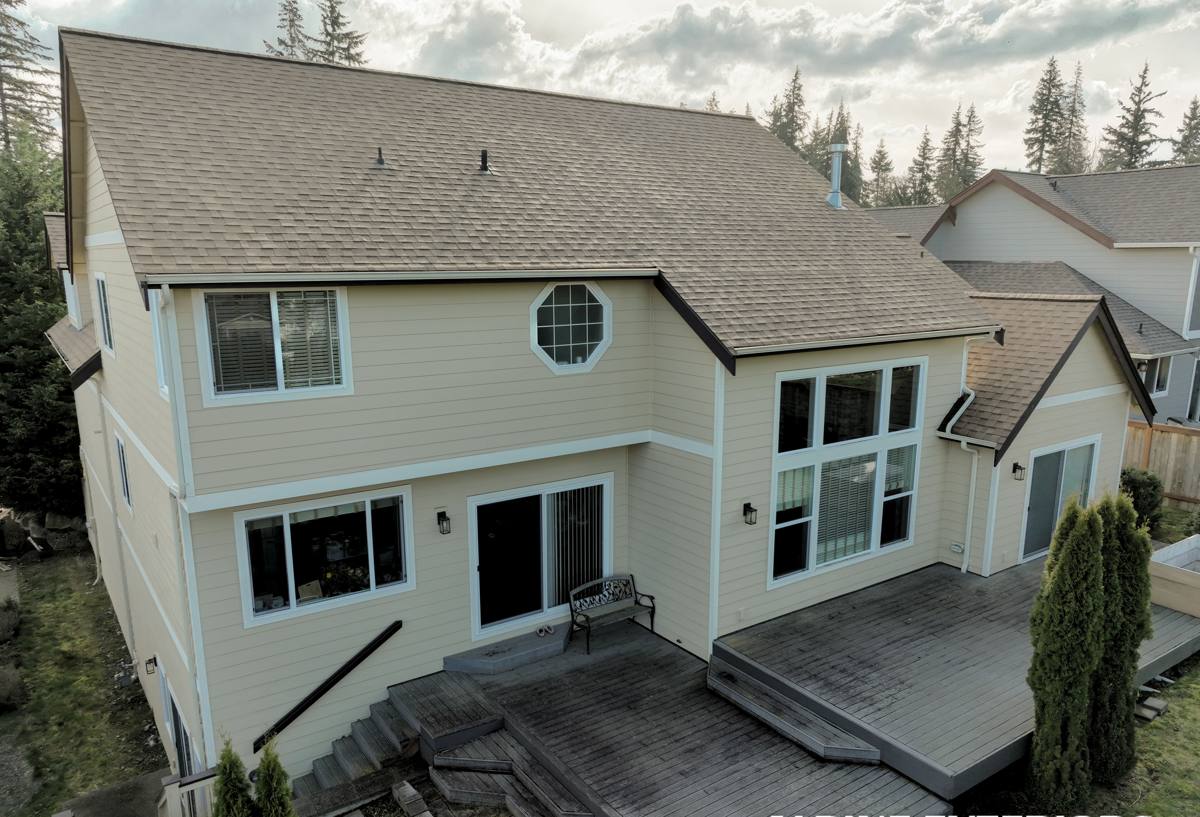
What Coastal Exposure Actually Does to a Window
Wind and Pressure
During a hurricane or even a strong seasonal storm, wind doesn't just push on a window — it also pulls. As wind wraps around a building, it creates negative pressure (suction) on window frames and glass. Older windows, especially ones installed before current wind-load standards, were never engineered for that cycling of push and pull. Repeated exposure over years of storm seasons stresses the frame, the seals, and the anchoring points long before a major hurricane ever tests them directly.
Wind-Driven Rain
Rain that's being driven sideways at 40, 60, or 90+ mph doesn't behave like normal rainfall. It finds any gap in flashing, any degraded sealant, any weep hole that wasn't detailed correctly, and it pushes water into places gravity alone never would. On the island, we see this show up as water staining below window sills, soft drywall around frames, or mold smell in a room that "never floods" — all signs that water intrusion has been happening slowly for a while.
Salt Air and UV
Salt air accelerates corrosion on hardware, hinges, and metal fasteners, and it degrades certain sealants and weatherstripping faster than in non-coastal areas. Combine that with Florida's intense, near year-round UV exposure — which breaks down vinyl, rubber gaskets, and certain frame coatings over time — and you get a climate that ages windows faster than almost anywhere else in the country. A window rated to last 20-25 years inland may realistically deliver less on a barrier island unless the materials and installation account for that.
Signs an Indian Shores Home Needs Window Replacement
Not every window problem requires full replacement, but on the island we lean toward being conservative — a small issue in this environment tends to get worse fast. These are the signs worth taking seriously:
- Visible fogging or moisture between panes of double-glazed glass (a failed seal)
- Frames that feel soft, chalky, or show pitting/corrosion, especially aluminum frames near the coast
- Windows that are difficult to open, close, or lock — often a sign of frame warping or settling
- Drafts or air movement felt around the frame when windows are closed
- Visible daylight or gaps around the frame edges
- Water staining, bubbling paint, or soft drywall on the interior wall below or around a window
- Rattling glass or a frame that visibly flexes during wind events
- Windows that predate current Florida Building Code wind-load requirements for coastal zones
Impact Windows vs. Other Approaches
Homeowners on the island generally choose between a few paths for storm protection: impact-rated windows installed directly, non-impact windows paired with separate shutters, or a mix depending on the elevation and orientation of the home. Each has real trade-offs worth understanding rather than a single "best" answer.
| Approach | Storm Protection | Day-to-Day Trade-Offs |
|---|---|---|
| Impact-rated windows | Built-in, permanent, no action needed before a storm | Higher upfront cost; heavier glass; no shutters to store or deploy |
| Standard windows + accordion or roll shutters | Strong protection when deployed correctly and in time | Requires manual action before every storm; shutters affect daytime light and views when closed; added maintenance on shutter hardware |
| Standard windows + panel shutters | Good protection if installed and stored properly | Labor-intensive to install before a storm; storage space needed; easy to delay until it's too late |
For barrier island homes, we generally recommend impact-rated windows as the primary strategy, because they protect the home whether or not anyone is there to prepare for the storm — a real consideration for seasonal or rental properties, which are common in Indian Shores.
What a Correct Window Replacement Actually Involves
The window unit itself is only part of the job. Most window failures we get called out to fix trace back to installation shortcuts, not a bad product. On a coastal home, these details matter more than usual:
Flashing and Water Management
Proper flashing directs any water that gets past the window itself back out of the wall assembly instead of into it. This includes sill pan flashing at the bottom of the opening, integration with the home's existing weather-resistive barrier, and correct lapping order so water always sheds downward and outward, never into the framing.
Fastening and Anchoring
Impact-rated windows are only as strong as their anchoring. That means the correct fastener type, spacing, and embedment into structural framing or masonry — not just enough screws to hold the frame in place, but the specific pattern the window's engineering and Florida product approval require.
Sealant Selection
Not all sealants perform the same in salt air and constant sun. We use sealants rated for exterior coastal exposure at every joint, and we don't rely on caulk alone to do a flashing detail's job — a common shortcut that fails within a few years near the water.
Weep Holes and Drainage
Window frames are designed with small drainage paths (weep holes) to let any water that does get in escape again rather than pool inside the frame. These get blocked during installation more often than homeowners realize, and a blocked weep hole quietly turns a good window into a slow leak.
Our Process for Indian Shores Projects
- On-site assessment: We look at existing window condition, framing, orientation to prevailing wind and rain, and any signs of past water intrusion before recommending anything.
- Product and glass discussion: We walk through frame material, glass package, and impact rating options based on your home's exposure and budget — no pressure toward the most expensive option if it isn't the right fit.
- Written estimate: Clear scope, product specifications, and pricing before any work begins.
- Permitting: We handle the permit process required for window replacement in Pinellas County, including the product approval documentation coastal wind zones require.
- Removal and installation: Careful removal of existing units, correct flashing and sealant work, and anchoring to the window's engineered specifications.
- Final inspection and walkthrough: We confirm operation, sealing, and finish with you before calling the job complete, and coordinate any required municipal inspection.
Frame Material and Cost Factors
Material choice affects both upfront cost and how the window holds up to salt air and UV over time. There's no universally "correct" answer — it depends on budget, maintenance appetite, and how exposed a particular elevation of the home is.
| Factor | What It Affects |
|---|---|
| Frame material (vinyl, aluminum, fiberglass, composite) | Upfront cost, expected lifespan in salt air, maintenance needs, and thermal performance |
| Glass package (impact laminated glass, Low-E coatings, tinting) | Storm protection level, UV/heat reduction, energy bills, glare control |
| Window size and configuration | Structural requirements, cost per opening, install complexity |
| Number of openings replaced at once | Per-unit cost, project timeline, single vs. phased permitting |
| Existing wall condition | Whether flashing, framing, or stucco repair is needed alongside the window itself |
As a broad range, homeowners on the island should expect impact-rated replacement windows to run higher than standard inland pricing, largely due to the heavier glass and engineering required for coastal wind zones. We give an exact number after seeing the openings in person — anyone quoting a firm price sight-unseen for a coastal home isn't accounting for the variables above.
Permits and Wind Load Requirements in Pinellas County
Window replacement on the island isn't a swap-it-yourself weekend project from a permitting standpoint. Pinellas County and its municipalities require permits for window replacement, and coastal properties fall under wind-borne debris region requirements in the Florida Building Code. That means the windows themselves need documented product approval for the specific wind pressure and impact rating your home's location requires, and the installation has to match the anchoring details in that approval. We pull the permits, provide the product documentation, and coordinate inspections as part of the job — it's not an add-on cost, it's part of doing the work correctly on a coastal property.
Why Local, Island-Specific Experience Matters
A contractor who mostly works inland Pinellas County jobs isn't wrong for the trade, but they may not have hands-on experience with the specific failure patterns barrier island homes show — corroded aluminum framing, sill pan details that have to account for higher wind-driven rain exposure, or the particular product approvals that apply to Gulf-front and near-Gulf properties. We work Indian Shores and the surrounding coastal communities regularly enough to know what tends to go wrong here and to build the installation around preventing it, not just meeting the minimum code requirement on paper.
That local familiarity also means we're realistic with homeowners about timelines and trade-offs — including when a full window replacement makes more sense than a repair, and when it doesn't. Our goal is a window system that holds up to another decade or two of Gulf coast weather, not just one that looks good on installation day.
Get a Free, No-Pressure Estimate
If you're weighing window replacement for a home in Indian Shores — whether it's one problem window or a full-home upgrade ahead of storm season — we're happy to take a look and give you a straight assessment of what's needed and what it'll cost. Fill out the form below for a free estimate, no obligation and no sales pressure.