 Largo Siding
 Serving Dunedin Homeowners Out of Our Largo Base
Dunedin sits along Pinellas County's Gulf coast, a few miles up from our home base in Largo. We've been working on homes throughout this part of the county long enough to know that a house two blocks from the water weathers differently than one further inland — and that the exterior materials that hold up in a dry climate often don't hold up here at all. When we send a crew to a job in Dunedin, they're not driving in from across the state and guessing at what the house needs. They know the area, they know the climate, and they know what James Hardie fiber cement siding can do that other products can't.
This page is about what Dunedin homes specifically face from the weather, how our siding, roofing, window, and deck work applies to homes in this area, and why we standardized on one exterior siding product instead of offering a menu of options.
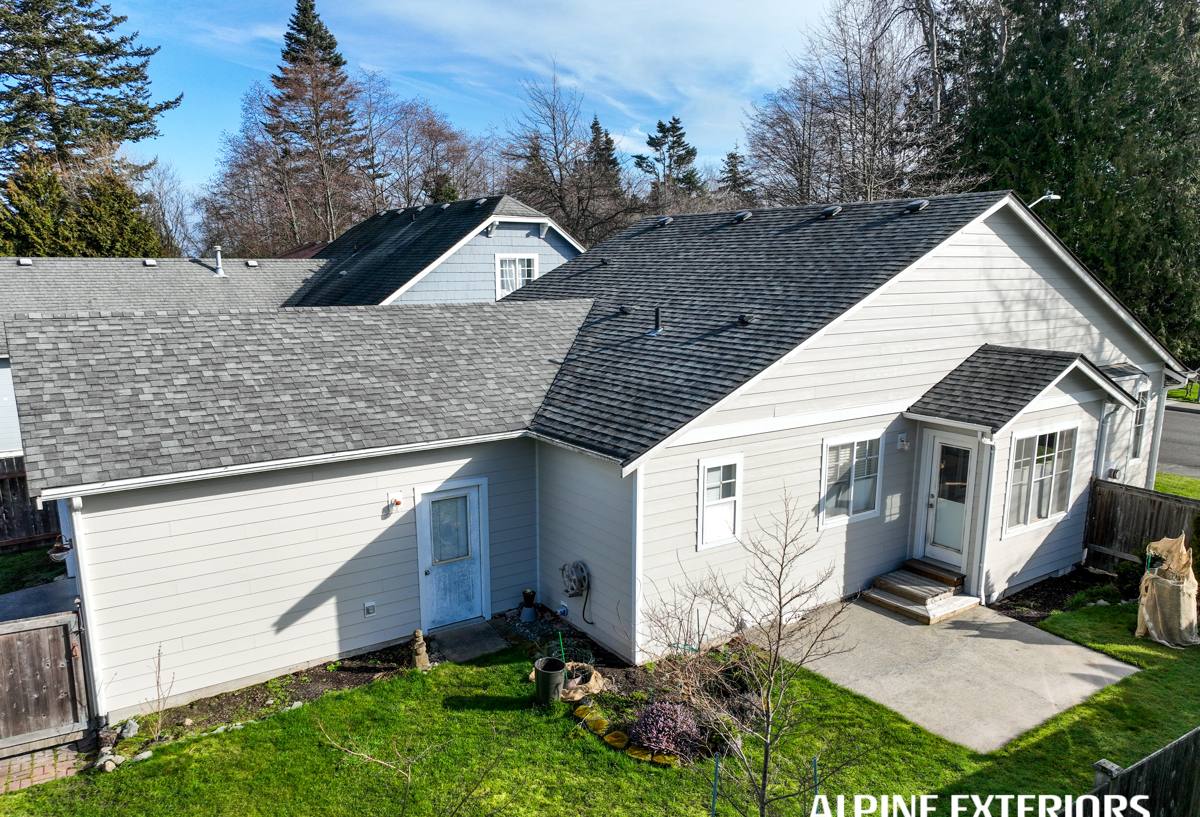
What the Climate Does to a Dunedin Home
Pinellas County homes deal with a combination of stressors that few other regions in the country see all at once. Individually, any one of these is manageable. Together, over years, they're what separates a siding job that looks good for two decades from one that fails in five.
Salt Air and Coastal Moisture
Dunedin's proximity to the Gulf means airborne salt is a constant, low-level presence on exterior surfaces, even for homes that aren't directly waterfront. Salt accelerates corrosion on fasteners and trim, and it interacts poorly with certain siding materials — particularly anything wood-based or wood-composite, where moisture intrusion at the fiber level can lead to swelling, delamination, or rot that isn't visible until it's advanced.
Hurricane-Force Wind Events
Every siding installation in this part of Florida has to be thought of as a wind event installation, not just a weather-resistant one. Wind-driven rain during storms doesn't fall straight down — it drives sideways into laps, seams, and penetrations, testing every flashing detail and every fastening pattern. Siding that's rated for wind but installed loosely, or with the wrong fastener spacing, is a liability the first time a real storm comes through.
Year-Round UV Exposure
Florida doesn't get a real off-season for sun exposure. UV breaks down pigments, dries out caulking and sealants, and is the single biggest reason vinyl siding and site-painted materials fade, chalk, or warp faster here than almost anywhere else in the country. A finish that isn't engineered for this level of sustained UV will show it within a handful of years.
Humidity and Temperature Swings
High ambient humidity for most of the year, paired with daily heat cycling, puts continuous expansion-and-contraction stress on exterior materials and on the seams and joints between them. Products that aren't dimensionally stable under these conditions tend to show gapping, cupping, or joint failure well before their expected lifespan.
Why We Install Only James Hardie Fiber Cement
We get asked fairly often why we don't offer vinyl, LP SmartSide, or other lower-cost siding options. The honest answer is that we used to see the long-term callbacks those materials generated in coastal Florida conditions, and we made a decision to standardize on one product system that's actually engineered for this climate.
James Hardie fiber cement is non-combustible, dimensionally stable, and manufactured in HZ5 formulations specifically engineered for the moisture and humidity profile of the Gulf Coast and Southeast. It doesn't absorb water the way wood-based composites can, it isn't vulnerable to the same UV-driven fading and warping that plagues vinyl in Florida sun, and its ColorPlus factory-applied finish is baked on under controlled conditions rather than sprayed on site — which means better adhesion and color consistency over time, along with a stronger warranty on the finish itself.
None of this means other products are without merit elsewhere. It means that for the specific combination of salt air, sun, humidity, and wind that Dunedin and the rest of Pinellas County deal with, Hardie is what we're willing to put our name behind.
How James Hardie Compares to Common Alternatives
| Factor | James Hardie Fiber Cement | Vinyl Siding | Wood-Based Composite (e.g., LP SmartSide) |
|---|---|---|---|
| Combustibility | Non-combustible | Combustible, can melt/warp in heat | Combustible, wood-fiber core |
| Moisture behavior | Engineered for humid/coastal climates (HZ5) | Doesn't absorb water, but seams can trap moisture | Vulnerable to swelling and rot if moisture reaches the core |
| UV/fade resistance | Factory ColorPlus finish, strong fade resistance | Prone to fading and chalking in intense sun | Site-applied finishes fade and need repainting |
| Wind performance | Rigid, holds fastening pattern well | Can flex, crack, or blow off in high wind if underrated | Generally solid but seam sealing is critical |
| Typical maintenance | Occasional wash, repaint on a much longer cycle | Low maintenance, but limited repair options once faded | Requires more diligent caulk/paint upkeep |
Our Full Exterior Scope for Dunedin Properties
Siding is our core focus, but Dunedin homes usually need their exterior thought of as one connected system. We also handle roofing, windows, and decks, and we coordinate these together rather than treating them as separate projects, because water management, ventilation, and structural attachment points all interact with each other.
Siding
Full removal of the existing siding, inspection and repair of the sheathing and wall assembly underneath (this step matters more in coastal areas where hidden moisture damage is common), correct water-resistive barrier and flashing detail work, then installation of James Hardie siding to manufacturer specifications for wind and fastening.
Roofing
A siding job is only as good as the roof it ties into at the eaves, gables, and any wall-to-roof transitions. We evaluate roof flashing and drainage details as part of any siding project, and we handle standalone roofing work and repairs for homes that need it.
Windows
Window openings are one of the most common places water intrusion starts in wind-driven rain events. When we're already opening up a wall for siding work, it's often the right time to address window flashing or replace aging windows with impact-rated units suited to the coastal wind zone.
Decks
Outdoor living spaces in this part of Florida get heavy sun and moisture exposure year-round. We build and repair decks with materials and fastening details suited to that exposure, and we can coordinate deck work alongside a siding or roofing project to minimize disruption to the property.
Why a Local Crew Matters for a Job Like This
Siding installation in Pinellas County isn't generic carpentry work — it involves permitting requirements, wind-load fastening specifications, and flashing details that are shaped by the local building code and by what actually happens to a house here over a hurricane season. A crew that works this county regularly knows the inspectors, knows the permitting process, and has already seen how different details perform in real coastal weather rather than in a manual written for a different climate.
Working out of Largo also means we're not commuting a long distance for follow-up visits, warranty questions, or storm-related check-ins after a big weather event. That proximity matters when something needs a second look.
What to Expect From the Process
Every Dunedin project starts with an on-site evaluation of the existing siding and wall condition, not just a measurement for materials. From there:
- We inspect the current siding and, where accessible, the sheathing underneath for moisture damage or rot
- We review flashing at windows, doors, and roof transitions as part of the estimate, not as a surprise mid-project
- We provide a written scope and estimate before any work begins
- We confirm product line, color, and trim details with the homeowner before ordering materials
- We pull required permits and schedule inspections as part of the project timeline
- We walk the finished job with the homeowner before calling it complete
Questions Homeowners in Dunedin Often Ask Us
How Long Does a Siding Project Take?
Timeline depends on the size of the home, the condition of the existing wall assembly once it's opened up, and weather during the install window. A straightforward re-side on an average single-family home is typically measured in days to a couple of weeks; jobs that uncover sheathing damage take longer because that repair has to happen before new siding goes on.
Do You Work Around Storm Season Scheduling?
We're mindful of hurricane season timing when scheduling larger projects, and we prioritize getting a home's wall assembly weather-tight rather than leaving it exposed for extended stretches during active storm months.
A Straightforward Cost Factor Overview
We don't publish fixed pricing because every home's condition, size, and scope is different, but the main factors that drive cost on a Dunedin siding project are consistent from house to house.
| Cost Factor | Why It Matters |
|---|---|
| Home size and wall area | More square footage means more material and labor |
| Condition of existing sheathing | Hidden moisture or rot damage requires repair before new siding goes on |
| Siding profile and trim complexity | Detailed trim work, corners, and architectural features add labor time |
| Number of stories | Multi-story homes require more scaffolding/staging and safety setup |
| Color and finish selection | Factory ColorPlus finishes vs. field-painted Hardie affect cost and long-term maintenance |
| Scope beyond siding | Bundling roofing, window, or deck work can affect overall project efficiency |
Ready to Talk About Your Dunedin Home?
If you're weighing a siding, roofing, window, or deck project on a Dunedin property, we're happy to come take a look and give you a straightforward, no-pressure estimate. Use the form below to get started.