 Largo Siding
 Why Two Siding Quotes for the Same House Can Look So Different
If you've called around for siding replacement quotes in Largo, you've probably noticed the numbers don't line up. One contractor's estimate is a fraction of another's for what looks like the same job. That gap almost never comes down to one company simply charging more — it comes down to what's actually included, what material is being installed, and how much of the underlying structure needs attention before new siding ever goes up.
This page walks through the real cost drivers on a Pinellas County home, in the order they usually get decided. Understanding them won't just help you compare quotes — it'll help you ask better questions before you sign anything.
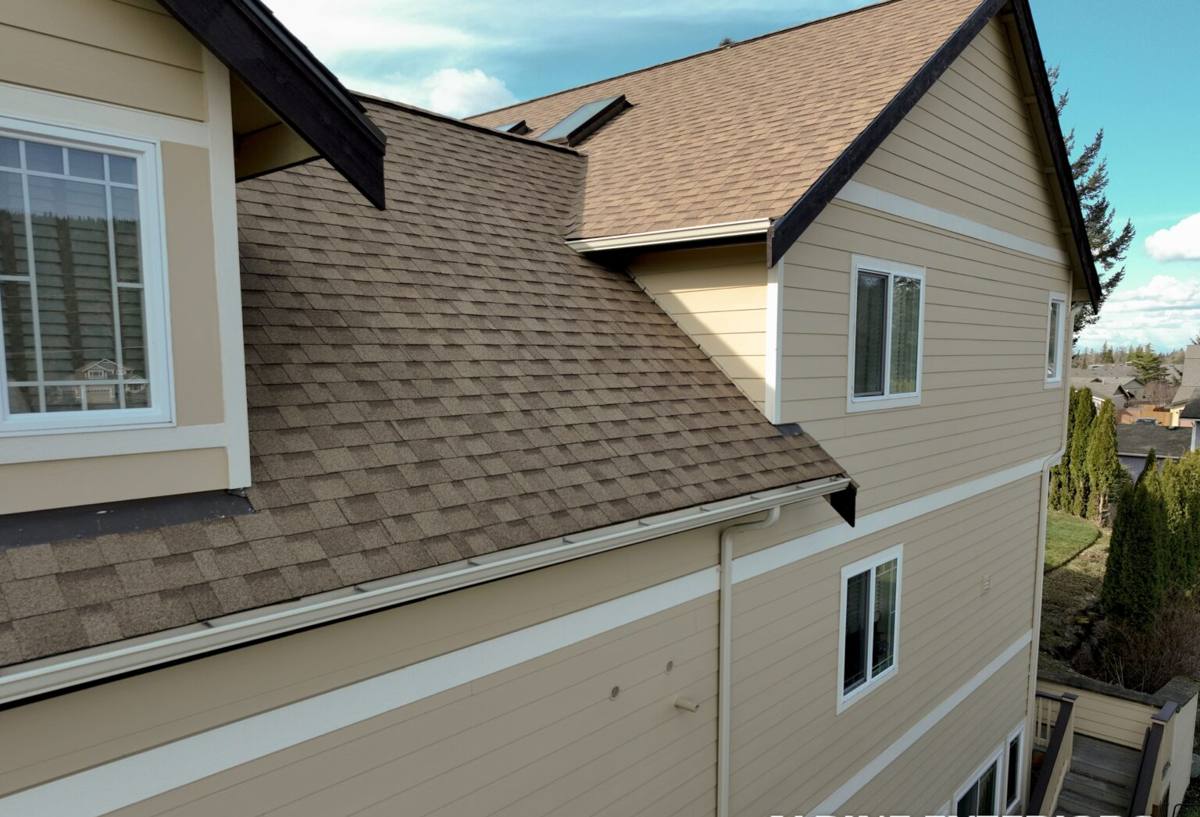
Home Size and Shape
Square footage of wall area is the starting point for any siding estimate, but it's not the whole story. Two homes with identical footprints can price out very differently depending on shape.
Square Footage
More wall area means more material and more labor hours, in a fairly linear relationship. This is the baseline number every estimator starts from.
Complexity of the Footprint
A simple rectangular ranch is the fastest, most efficient house to side. A home with multiple gables, dormers, bump-outs, or a mix of roof heights takes longer per square foot because of all the extra cutting, fitting, and flashing at transitions. Two-story homes also add cost through scaffolding, staging, and the slower pace of working off ladders or lifts at height.
Number of Corners, Windows, and Doors
Every window, door, and outside corner is a place where siding has to be cut and trimmed precisely. A home with lots of window punch-outs and architectural detail will run more labor hours than a home with fewer, larger wall expanses, even at the same total square footage.
What's Underneath: Tear-Off and Substrate Condition
This is the factor that causes the biggest swings between an initial phone estimate and the final invoice, and it's the one homeowners are most often surprised by.
Removing the Old Siding
Full tear-off costs more than a straightforward re-side, but it's the only way to actually see what condition the wall is in. Covering over a problem doesn't make it go away — it just hides it behind new material for a few more years.
Rot, Water Damage, and Sheathing Repair
Once the old siding comes off, we're looking at the OSB or plywood sheathing, the framing at window and door openings, and any spots where water has been getting in unnoticed. In a humid, storm-exposed area like Largo, hidden moisture damage behind old siding is common, especially around poorly flashed windows or where caulk has failed. Repairing or replacing damaged sheathing and framing is priced separately from the siding installation itself, because it's genuinely unpredictable until the wall is open.
House Wrap and Weather Barrier
A new weather-resistive barrier goes on before any new siding, and it's not optional. This layer is what actually keeps wind-driven rain from reaching your framing — the siding itself is the first line of defense, but the wrap behind it is what protects the structure if water gets past a seam or a fastener.
Material Choice
Material is usually the single biggest line item, and it's also where the long-term math matters most. A lower material cost up front doesn't always mean a lower cost over the life of the siding.
| Factor | Vinyl | Engineered Wood (LP-type) | Fiber Cement (James Hardie) |
|---|---|---|---|
| Upfront material cost | Lowest | Mid-range | Higher, but climate-engineered |
| Fire resistance | Melts/deforms in heat | Combustible wood-based core | Non-combustible |
| Moisture behavior | Can trap moisture behind panels | Vulnerable if edges aren't sealed and maintained | Engineered for humid, wet climates |
| Finish durability | Fades, can look "plastic" | Field paint required, wears faster | Factory-baked ColorPlus finish |
| Wind performance | Can crack or blow off in high wind | Moderate | Rated for high-wind installation |
We install exclusively James Hardie fiber cement siding, and this table is the short version of why. We've made the call, as a company, that we're not going to install products where we know the maintenance burden, moisture risk, or long-term appearance is going to disappoint a homeowner five or ten years down the road — even if it means turning down jobs where a customer specifically wants vinyl or an engineered wood product. That's a business decision we're upfront about, not a claim that every alternative product fails on every house. It's simply not what we put our name behind.
Hardie Product Lines and Cost
Within the Hardie lineup, lap siding, shingle-style panels, board-and-batten, and trim all price differently, and the HZ5 climate-engineered formulation built for humid, high-moisture regions like ours costs a bit more than a standard product line. For a coastal Pinellas County home, that's usually money well spent rather than an upsell.
Installation Labor and Why It's Not a Commodity
Fiber cement siding is unforgiving of shortcuts. Nail placement, fastener type, clearances from grade and roofing, caulking at joints, and how panels are lapped all affect how the siding performs — and whether the manufacturer's warranty is even valid if something goes wrong later.
Correct Fasteners and Nailing Patterns
Hardie specifies exact fastener types and placement for different wind zones and exposure conditions. Crews that rush this step, or use the wrong fasteners to save time, create problems that don't show up until years later — siding that works loose, cracks at nail heads, or fails to hold up in a storm.
Flashing and Sealant Details
Most siding failures that do happen trace back to a handful of details: window and door flashing, kick-out flashing at roof lines, and sealant at butt joints and penetrations. This is slow, careful work, and it's where experienced crews earn their labor rate.
Clearances from Grade, Roofing, and Decks
Manufacturer specifications call for minimum clearances between the bottom of the siding and the ground, roofline, or deck surface. Getting this wrong is a common source of moisture problems and is one of the first things a warranty claim will check.
Trim, Accessories, and Detail Work
Siding is rarely just field panels. Corner boards, window and door trim, fascia, soffit, and frieze boards all factor into the total cost, and matching these details in fiber cement trim (rather than mixing materials) affects both appearance and long-term performance.
- Corner boards and trim boards around openings
- Fascia and soffit replacement or repair
- Frieze boards and band boards at floor lines
- Shutters, vents, and other accessories that need to be removed and reset
- Caulking and paint touch-up at all trim-to-siding transitions
Homeowners sometimes compare a "siding only" quote to a full quote that includes all trim work, and understandably conclude one contractor is dramatically more expensive. In most cases, they're just not comparing the same scope.
What Largo's Climate Adds to the Equation
Pinellas County's exterior conditions aren't gentle, and that shapes what a properly done siding job actually requires. Hurricane-force wind events are a real possibility every storm season, UV exposure is intense and constant year-round, wind-driven rain pushes water sideways into wall assemblies during storms, and salt air along the coast accelerates the breakdown of fasteners, caulk, and lesser finishes.
Wind Zone and Fastening Requirements
Local wind zone requirements affect fastener spacing and type, and installation has to meet code for the zone the home sits in. This isn't a cost-padding item — it's the difference between siding that stays put in a tropical storm and siding that doesn't.
UV and Finish Life
Constant Florida sun is hard on paint and lesser siding finishes, which is a big part of why a factory-cured finish holds color longer than field-applied paint that has to be redone on a maintenance cycle.
Salt Air Corrosion
Homes closer to the coast see faster degradation of standard fasteners and trim hardware. Stainless or coated fasteners and corrosion-resistant accessories cost more but hold up where standard hardware won't.
Warranty and What It Actually Covers
A transferable manufacturer warranty is worth factoring into the cost conversation, not just the sales pitch. It matters whether a warranty covers material only or material and labor, whether it's prorated after a certain number of years, and whether it transfers to a new owner if you sell the home. A stronger warranty on a higher-cost material can end up being the better value over a 20-30 year ownership horizon, especially in a climate that's genuinely tough on exteriors.
Getting an Accurate Estimate
The more information a contractor has up front, the tighter the estimate will be. Before you request quotes, it helps to have a few things ready:
- Rough age of your current siding and any known history of leaks or repairs
- Whether you want full tear-off or are open to discussing options once the wall is opened up
- Photos of any visibly soft, cracked, or discolored areas on the current siding
- Your general timeline, especially relative to storm season
- Whether trim, soffit, and fascia are part of the scope or being handled separately
An honest estimate should walk through these factors specifically for your home, not hand you a generic per-square-foot number. If a quote seems unusually low, it's worth asking directly what it does and doesn't include.
If you'd like a clear, no-pressure look at what your own home's siding replacement would actually involve, we're happy to walk the property with you and put together a detailed estimate — no obligation, just straight answers.