 Largo Siding
 Safety Harbor Sits Right on the Bay — And Its Homes Feel It
Safety Harbor is a small, walkable city tucked along Old Tampa Bay in Pinellas County, and that waterfront setting is part of what makes it a great place to live — and part of what makes exterior maintenance here tougher than it looks from the street. Homes in Safety Harbor sit close enough to the water to catch salt-laden air on a regular basis, even blocks back from the shoreline. That salt air works on anything with exposed metal fasteners, cheap trim, or a finish that wasn't built to handle it, and it does so slowly enough that homeowners often don't notice until a problem is already established.
Layer on the rest of the Pinellas County climate — near-constant UV exposure, humidity that rarely lets up, summer thunderstorms that roll in almost daily, and the real possibility of hurricane-force wind and wind-driven rain during the season — and you've got a punishing combination for exterior materials. Siding, roofing, windows, and decks in Safety Harbor aren't just cosmetic; they're the first and most exposed line of defense for the house behind them.
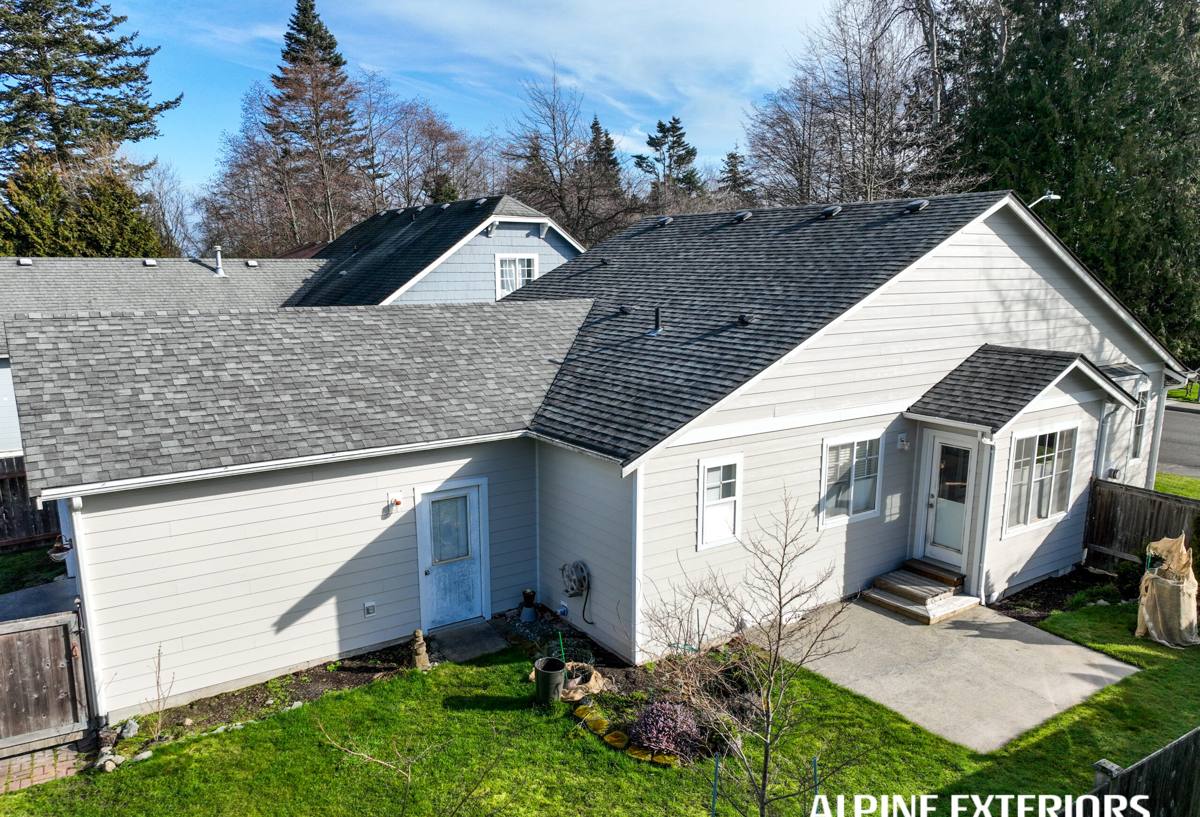
What Wind-Driven Rain and Salt Air Actually Do to a House
It helps to understand the specific ways this climate attacks a home's exterior, because it explains why some products and installation shortcuts fail here faster than they would somewhere drier and cooler.
- UV breakdown: Central Florida gets some of the most intense year-round sun exposure in the continental U.S. Paint fades, caulk chalks and cracks, and lower-grade siding materials can warp or become brittle over time.
- Wind-driven rain: During tropical storms and hurricanes, rain doesn't just fall — it's pushed sideways into siding seams, window frames, and roof edges. Any gap in flashing or caulking becomes an entry point for moisture.
- Salt air corrosion: Even a mile or two inland from Old Tampa Bay, airborne salt accelerates corrosion on exposed fasteners, hinges, and untreated metal components.
- Humidity and moisture cycling: Florida's humidity means exterior materials rarely get to fully dry out. Wood-based products that absorb and release moisture repeatedly are prone to swelling, cupping, and eventual rot.
None of this means a Safety Harbor home is doomed to constant repairs. It means the materials and installation details matter more here than they would in a milder climate, and cutting corners shows up faster.
Why We Install Only James Hardie Fiber Cement Siding
We made a deliberate decision as a company to install James Hardie fiber cement siding exclusively — not vinyl, not LP SmartSide, not Cemplank or Allura, not primed spruce or cedar. That's not a marketing angle; it's a standard we hold to because of what we've seen these products do, or fail to do, in exactly the conditions Safety Harbor homes face.
What Fiber Cement Gets Right for This Climate
James Hardie siding is non-combustible, which matters in a state where wildfire risk is real in dry stretches and where fire-rated materials can also factor into insurance considerations. It's engineered specifically for humid, high-UV, storm-prone climates through Hardie's HZ10 product line, which is formulated for the exact weather patterns found along the Gulf Coast. The ColorPlus factory-applied finish is baked on under controlled conditions rather than painted on-site, which gives it far better color retention and adhesion under intense sun than field-applied paint. And because it's cement-based rather than wood or wood composite, it doesn't absorb water the way wood products do, so it isn't prone to the swelling, cupping, and rot that come with Florida's humidity cycles.
Why We Won't Install the Alternatives
Vinyl siding is affordable and low-maintenance in mild climates, but it can soften, warp, or become brittle under sustained high heat and intense UV, and it has real limitations in high-wind events compared to fiber cement. LP SmartSide, Cemplank, and Allura are engineered wood or fiber cement alternatives that have their own merits, but we've standardized on Hardie specifically for its climate-engineered product lines, the strength of its factory finish, and the way its warranty is structured and backed. Primed spruce and cedar are attractive natural materials, but they carry the highest ongoing maintenance burden of any option — repainting, sealing, and monitoring for moisture damage — in a climate that gives wood siding very little chance to dry out between rain events. We'd rather turn down a lower-cost option than install something we don't think will hold up on a Safety Harbor home for the long haul.
| Material | Where It Struggles Here | Maintenance Burden |
|---|---|---|
| Vinyl siding | Can warp or soften under sustained heat and UV; more vulnerable in high wind | Low, but limited lifespan in this climate |
| LP SmartSide / engineered wood | Wood-based core is moisture-sensitive in high-humidity conditions | Moderate — edge sealing and inspection matter |
| Primed spruce / cedar | Absorbs and releases moisture repeatedly; highest rot risk | High — regular repainting and sealing required |
| James Hardie fiber cement | Engineered specifically for Gulf Coast humidity, UV, and wind | Low — factory finish, no repainting for years |
Beyond Siding: Roofing, Windows, and Decks Working Together
Siding is only one piece of a home's exterior envelope. In a climate like this, roofing, windows, and decks all take the same beating, and they need to work together rather than being treated as separate projects.
Roofing
A roof in Pinellas County has to shed wind-driven rain, resist UV breakdown, and hold up under the uplift forces that come with tropical storms and hurricanes. Proper underlayment, flashing details, and fastening patterns matter as much as the shingle or material choice itself — a lot of roof failures trace back to installation shortcuts, not the product.
Windows
Windows are where wind-driven rain most often finds its way into a home if flashing and sealing aren't done correctly. Impact-rated windows and proper installation around the rough opening are especially important this close to the bay, where storm exposure is a real, recurring consideration rather than a rare event.
Decks
Outdoor living is a big part of why people choose to live in Safety Harbor, but decks are also some of the most exposed structures on a property — full sun, standing humidity, and direct rain exposure with no roof overhead. Fastener choice, board spacing for drainage, and framing that accounts for moisture all determine how long a deck holds up before it needs major repair.
What Correct Installation Actually Involves
Even the best-engineered siding, roofing, or window product will underperform if it's installed incorrectly, and installation quality is where a lot of exterior work quietly falls short. Correct James Hardie installation includes proper fastener spacing and type (stainless or hot-dipped galvanized in coastal-influenced areas), correct clearances from grade, decks, and rooflines to prevent moisture wicking, properly lapped and sealed flashing at every window, door, and penetration, and caulking joints that account for Florida's expansion and contraction cycles rather than being sealed once and forgotten. We follow manufacturer installation specifications closely because that's also what keeps a product's warranty valid — a beautiful installation that doesn't meet spec can leave a homeowner without warranty protection exactly when they'd need it.
Why a Local Crew Matters in Safety Harbor
Exterior work in a coastal Pinellas County community isn't identical to exterior work inland or in a different climate zone. A crew that works this area regularly understands how close to the water a given street sits, how local wind exposure and sun angles affect a particular lot, and what Pinellas County's permitting and inspection process actually requires — all of which affects material choices and installation details on a specific home. It also means being reachable after the job is done, not just during the sale.
What to Look for When Vetting a Contractor
- Proper licensing and insurance verifiable through the state and county
- Manufacturer-specific installation training, not just general carpentry experience
- A written, itemized estimate — not a verbal ballpark
- Willingness to explain why they recommend a specific product for your home, not just sell what's on the truck
- Clear communication about warranty coverage: what's covered by the manufacturer versus the installer
- Local references and a physical presence in the area, not just a regional sales office
What Affects the Cost of a Siding, Roofing, Window, or Deck Project
Every home and project is different, but a few factors consistently drive cost up or down across these projects in this area.
| Factor | Why It Matters |
|---|---|
| Home size and complexity | More square footage, corners, and rooflines mean more material and labor |
| Existing damage or rot | Hidden moisture damage found during tear-off adds repair work before new material goes on |
| Material and finish selection | James Hardie board width, texture, and ColorPlus color options vary in cost |
| Wind and impact requirements | Coastal-influenced areas may call for higher-rated windows or fastening specs |
| Access and site conditions | Tight lots, mature landscaping, or multi-story homes affect labor time |
Keeping an Exterior in Good Shape Between Projects
Whatever material is on your home now, a little regular attention goes a long way in this climate.
- Walk the exterior after major storms and look for lifted seams, cracked caulk, or displaced flashing
- Keep gutters and downspouts clear so water is directed away from siding and foundation lines
- Rinse salt residue off siding and windows periodically if you're close to the water
- Watch for soft spots or discoloration on wood-based trim or decking, which often signal trapped moisture
- Have a roof and exterior inspection done after any named storm that produced sustained high winds
If you're weighing a siding, roofing, window, or deck project for a Safety Harbor home, we're happy to take a look and talk through what actually makes sense for your property — no pressure, no obligation. A free estimate is a good place to start the conversation, and we're glad to walk you through why we build with James Hardie and how it holds up to what this climate throws at it.