 Largo Siding
 Windows Built for a Barrier Island, Not Just a Florida Address
Indian Shores sits on a narrow strip of land between the Intracoastal Waterway and the Gulf of Mexico, and that location changes what a window has to survive. A window that performs fine a few miles inland in Largo can fail years earlier out here because it's dealing with a harsher version of the same climate: hurricane-force wind gusts with almost nothing to slow them down, wind-driven rain that gets pushed sideways into frames and seams, salt-laden air that attacks metal hardware and fasteners year-round, and intense UV exposure that breaks down seals, vinyl, and glazing compounds faster than in shaded or inland settings.
Custom windows matter here for a second reason that has nothing to do with weather: a lot of homes on the barrier islands are older, były built in phases, or have openings that were never quite standard sizes to begin with. Off-the-shelf window sizes often mean shimming, gapping, or trimming out a rough opening in ways that compromise the water and wind seal. A correct job starts with measuring the actual opening in the actual wall and ordering (or building) a window to fit it — not forcing a stock size to work.
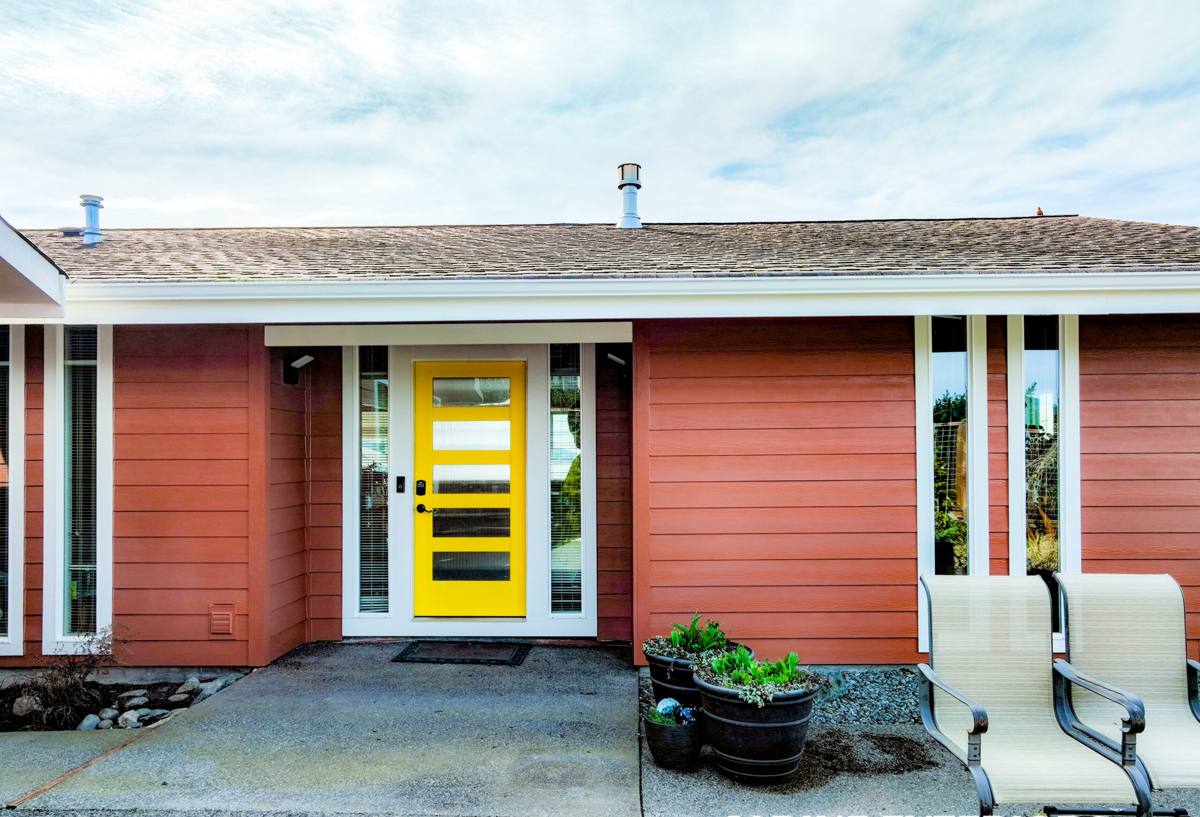
What Indian Shores Homes Actually Need From a Window
Before talking products or price, it helps to be clear about the job the window has to do in this specific location:
- Wind-load and impact performance that meets Florida Building Code requirements for coastal wind-borne debris regions
- Water intrusion resistance at the frame-to-wall connection, not just the glass itself — most leaks happen at the seams, not through the glazing
- Corrosion-resistant hardware — stainless or marine-grade fasteners, hinges, and locks that won't rust and seize from salt air
- UV-stable frame material and glazing that won't yellow, chalk, or lose seal integrity from constant sun exposure
- Correct sizing and flashing for the specific opening, especially in older construction where openings may be out of square
Any one of these gaps is enough to shorten the life of an otherwise good window. A window with excellent glass but poor perimeter sealing will still leak. A properly sealed window with the wrong hardware will still corrode shut within a few seasons.
Impact-Rated Glazing: What It Is and Why It's the Standard Here
For homes in coastal Pinellas County, including Indian Shores, impact-rated windows are generally the most practical long-term choice. They're built with laminated glass — two panes bonded around an interior layer that holds the glass together under impact rather than shattering outward. That construction does double duty: it protects the opening during storms, and it also cuts down significantly on UV transmission and outside noise the rest of the year.
Impact windows aren't the only path to code compliance. Some homeowners pair standard glazing with approved shutter systems instead. Each approach has real trade-offs worth understanding before you decide:
Comparing Your Options
| Approach | Day-to-day living | Storm prep | Maintenance |
|---|---|---|---|
| Impact-rated windows | No prep needed, full light and view year-round | Nothing to install or store | Low — occasional hardware and seal checks |
| Standard glass + accordion or roll shutters | Shutters usually retracted, some sightline impact | Deploy before every storm | Moderate — tracks and hardware need upkeep |
| Standard glass + panel shutters | Panels stored elsewhere until needed | Physical installation required, often a two-person job | Low, but storage and installation logistics add up |
We install and work with both approaches. Our honest recommendation for most Indian Shores homes is impact-rated windows where budget allows, simply because they remove the "will I get this done in time" variable entirely and hold up better to the daily grind of coastal sun and salt, not just the occasional storm.
What a Correct Custom Window Installation Actually Involves
The window unit itself is maybe half the job. The other half is everything around it, and it's the part that determines whether the installation actually performs when it's tested by wind and rain.
The parts that matter most
- Opening prep — removing the old unit without damaging the rough opening, checking for hidden water damage or rot before anything new goes in
- Flashing — properly lapped, sealed flashing that directs water away from the wall assembly, not just caulk over a gap
- Fastening schedule — the right fasteners, in the right pattern, into structural framing, matched to the window's tested design pressure rating
- Sealant selection and application — marine-grade, UV-stable sealant at every seam, applied in the right sequence relative to flashing
- Permitting and inspection — window replacement in coastal Pinellas County typically requires a permit and inspection to confirm the installation meets code, not just the product
Skipping or rushing any of these steps is how a good window ends up with a bad reputation — water finds the weak point in the installation, not usually a defect in the glass.
Our Process, Start to Finish
1. On-site assessment
We look at the actual openings, the wall assembly, and any existing damage or water intrusion history before recommending anything. Every home on Indian Shores has its own quirks depending on age and construction, and that assessment shapes the recommendation.
2. Precise measurement and product selection
Custom windows are measured to the opening, not the other way around. We walk through frame material, glazing options, and hardware finishes based on your home's exposure, budget, and how you actually use the space.
3. Permitting
We handle the permit application and coordinate the required inspections so the paperwork matches the work — that documentation also matters later for insurance and resale.
4. Removal and installation
Old units come out carefully, the opening gets inspected and prepped, and the new window goes in with proper flashing, fastening, and sealant — following the manufacturer's tested installation instructions, which is what keeps the product warranty intact.
5. Final inspection and walkthrough
We confirm operation, seal integrity, and code sign-off, and walk you through basic care before we consider the job done.
What Custom Windows Cost — and What Drives the Number
Every home and opening is different, so we won't quote a number without seeing the site, but the main cost drivers are consistent:
| Factor | Why it matters |
|---|---|
| Window size and quantity | Larger openings and whole-home projects carry more material and labor cost per unit but often better pricing overall |
| Frame material | Vinyl, aluminum, and composite frames differ in upfront cost, longevity, and maintenance in salt air |
| Impact rating vs. standard glazing paired with shutters | Impact glass costs more upfront but removes ongoing shutter maintenance and storm-prep labor |
| Opening condition | Rot, out-of-square framing, or hidden water damage found during removal adds repair scope |
| Custom shapes or sizes | Non-standard openings, common in older coastal homes, require custom fabrication rather than stock sizing |
We'll walk through these factors with you directly and give you real numbers for your home rather than a generic estimate that doesn't hold up once we're on site.
Living With Coastal Windows: Maintenance That Actually Extends Their Life
Even the best window installed correctly still lives in a tough environment. A little routine care goes a long way:
- Rinse frames and hardware periodically to clear salt buildup, especially after wind events off the Gulf
- Check and lubricate locks and moving hardware on the schedule your installer recommends
- Inspect exterior sealant annually for cracking or separation, and address it early rather than after a leak shows up
- Keep weep holes and drainage tracks clear of sand, debris, and insect nests
- Have hurricane-rated hardware and seals checked before storm season each year
Why It Matters That We Already Work on Indian Shores
Barrier island jobs come with logistics that don't show up on the mainland: limited staging space, causeway access and traffic timing, and permitting that runs through both county and local requirements. A crew that already works Indian Shores regularly isn't guessing at any of that — we know how to plan a job so it doesn't drag on because of avoidable access or scheduling problems.
More importantly, we're not learning the coastal wind and moisture requirements on your project. We build every custom window installation here around what actually holds up on a barrier island in Pinellas County, not a generic inland approach adapted after the fact.
Questions to Ask Before You Hire
Whoever you choose for a project like this, these are worth confirming upfront:
- Are you licensed and insured to do window installation work in Florida?
- Will you pull the permit, and who handles the required inspections?
- What's the design pressure or wind rating on the specific product you're recommending, and does it match code for this location?
- How do you handle flashing and sealant at the perimeter, not just the window unit itself?
- What's covered under warranty — product, labor, or both — and for how long?
If you're weighing custom windows for a home in Indian Shores, we're happy to take a look and talk through what your specific openings actually need — no pressure, no generic quote. Fill out the form below and we'll set up a time to assess your home and give you straight answers.