 Largo Siding
 Window Installation Built for a Barrier Island Address
Redington Shores sits on the Gulf side of Pinellas County, which means the windows on these homes work harder than windows almost anywhere else in the region. Between the salt-laden air coming off the water, the wind loads a coastal exposure generates, and the punishing UV that Florida delivers twelve months a year, a window installed without that environment in mind will show problems years before it should. We install windows throughout the Largo area, and the jobs we do on the Shores get treated differently from the start — different hardware specs, different flashing details, different attention to how the assembly will hold up a few hundred yards from saltwater.
This page covers what actually matters for a window installation project in Redington Shores: what the local climate does to windows over time, what code requires here, what a correct installation looks like, and how our process runs from first estimate to final walk-through.
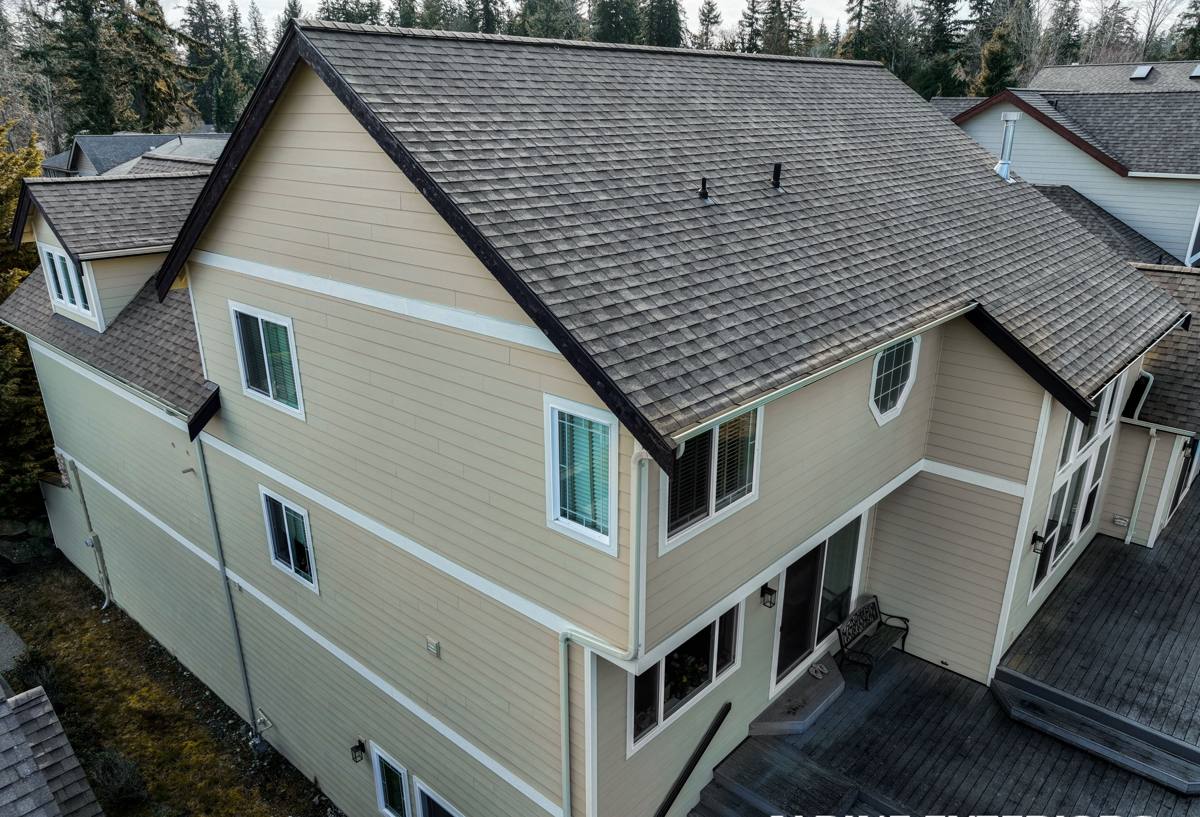
What Coastal Exposure Actually Does to Windows
Homeowners moving from inland areas are often surprised by how fast coastal conditions age building materials. It's worth understanding the specific mechanisms so you know what you're buying protection against.
Salt Air and Corrosion
Airborne salt settles on every exterior surface, including window frames, hardware, and fasteners. Lower-grade metal components — screws, hinges, balance systems, lock mechanisms — corrode faster near the water than they would ten or fifteen miles inland. Once corrosion starts on a hinge or lock, the window stops operating smoothly long before the glass or frame itself fails.
Wind Load, Not Just Wind Speed
A window on the Gulf side of the county experiences constant low-grade wind pressure even outside of storm season, in addition to the extreme loads a hurricane or tropical system can generate. That constant pressure cycling — walls and frames flexing slightly, day after day — is part of why fastening and anchoring quality matters as much as the window unit itself.
UV and Heat
Florida's UV exposure is intense year-round, and it's harder on window components than most people expect. Vinyl frames can become brittle over time under sustained UV if the compound quality is poor, seals and gaskets dry out and lose flexibility, and low-quality low-E coatings can degrade, letting in more heat than the window was rated for when it was new.
Wind-Driven Rain
Storms here don't just bring rain — they push it sideways under pressure. A window that isn't flashed and sealed correctly can pass water at the frame-to-wall joint even when the sash and glass are perfectly intact. Most "leaky window" calls we get in coastal neighborhoods trace back to installation and flashing details, not the window product itself.
Florida Code Requirements for This Area
Pinellas County, including Redington Shores, falls within Florida's Wind-Borne Debris Region under the Florida Building Code. That designation triggers real requirements for replacement and new-construction windows — it isn't optional and it isn't the same standard used further inland.
- Windows must either be impact-rated (rated to resist wind-borne debris impact) or paired with code-compliant shutters or protective panels.
- Each window must carry a Design Pressure (DP) rating adequate for the home's wind exposure category and height, not just a generic rating.
- Installation must be permitted and inspected by the local building department — this isn't a job that should be done off the books.
- Product approval documentation (Florida Product Approval or Miami-Dade NOA) must match the actual product installed, not just a similar-looking model.
A contractor who pulls permits, matches the correct DP rating to your specific elevation, and schedules the required inspections is doing the baseline job correctly. Skipping any of that isn't a shortcut — it's a liability that shows up at resale or after the next storm.
Choosing the Right Window for This Location
Not every window marketed as "hurricane" or "impact" is a good fit for a direct coastal exposure like Redington Shores. Frame material, glass makeup, and hardware grade all affect how the window performs over years of salt air and sun, not just how it performs on installation day.
| Factor | What to Look For | Why It Matters Here |
|---|---|---|
| Frame Material | Marine-grade vinyl or properly finished aluminum | Standard-grade frames can chalk, warp, or corrode faster under salt and UV exposure |
| Glass Package | Laminated impact glass with a quality low-E coating | Laminated glass holds together under debris impact; low-E manages Florida's heat load |
| Hardware | Stainless steel or corrosion-resistant coated hardware | Locks, hinges, and balance hardware fail early near saltwater if under-specified |
| Design Pressure Rating | Matched to your home's specific exposure and height | A generic DP rating may not meet code for a direct Gulf-facing elevation |
| Weep System | Clear, unobstructed weep holes and drainage path | Wind-driven rain needs somewhere to go besides your wall cavity |
What a Correct Installation Actually Involves
The window unit itself is only part of the job. In our experience, most premature window failures in coastal Pinellas County neighborhoods come from installation shortcuts, not product defects. A correct installation includes:
Opening Preparation
Removing the old window fully, inspecting the rough opening for rot, moisture damage, or prior water intrusion, and correcting any framing issues before the new unit goes in. Installing over a compromised opening just seals the problem inside the wall.
Flashing and Water Management
Proper flashing tape and a correctly lapped water management system around the entire opening — installed in the right order, not just caulked over — is what actually keeps wind-driven rain out. This step gets rushed more than any other, and it's the one that causes leaks two or three years down the road.
Anchoring to Spec
Fastener type, spacing, and embedment depth need to match the manufacturer's tested installation instructions and the window's DP rating. Undersized or under-spaced anchors can technically hold the window in place day-to-day while still failing to meet the rating it was sold under.
Sealing and Finish
A correctly sized backer rod and sealant bead, finished cleanly, so the seal stays flexible and watertight rather than cracking within a season or two of sun exposure.
How Our Process Works
- Free on-site estimate — we assess your existing windows, note your home's specific exposure, and measure openings.
- Product selection — we walk through frame, glass, and DP rating options suited to your home, not a one-size-fits-all package.
- Permitting — we pull the required permit with the county before work starts.
- Removal and inspection — old units come out, and we check the opening for hidden moisture or framing issues before proceeding.
- Installation — flashing, anchoring, and sealing done to manufacturer and code specification.
- Final inspection — the completed work is inspected and closed out with the county, and you get documentation for insurance and resale.
Signs Your Current Windows Need Attention
If you're not sure whether it's time to replace windows on a Redington Shores property, these are the signs we see most often in this area:
- Windows feel difficult to open, close, or lock — often a sign of corroded hardware or a warped frame
- Visible fogging or moisture between panes of insulated glass, indicating a failed seal
- Soft, discolored, or stained drywall or trim around the window frame
- A noticeable draft or whistling sound during windy conditions
- Chalking, pitting, or visible corrosion on the frame or hardware
- Higher-than-expected cooling bills for the home's size
- Windows that predate current Florida wind-borne debris requirements
Cost Factors to Expect
Every home and opening is different, so we don't quote pricing without seeing the job, but these are the main factors that move the cost of a window installation project up or down:
| Factor | Effect on Cost |
|---|---|
| Number and size of openings | More or larger openings increase material and labor cost |
| Required Design Pressure rating | Higher DP ratings for exposed elevations typically cost more |
| Frame material | Vinyl and aluminum options vary in upfront cost and long-term maintenance |
| Opening condition | Rot or framing repair adds cost beyond a straightforward swap |
| Permit and inspection fees | Set by the county, required for compliant installations |
Why Local Experience in Redington Shores Matters
A contractor who mostly works inland can install a technically correct window and still get the coastal details wrong — the wrong hardware grade, an under-specified DP rating for a beachfront exposure, or flashing that isn't built for the amount of wind-driven rain this area actually sees. Working regularly in Redington Shores and the surrounding Largo and Pinellas County coastline means we know what this exposure does to a window over five or ten years, not just what it looks like on installation day. That's the difference between a window that holds up through hurricane season after hurricane season and one that needs attention again in a few years.
If you're weighing a window project for a Redington Shores home, we're happy to take a look and walk you through your options with no pressure and no obligation. Use the form below to request a free estimate.