 Largo Siding
 Siding Built for Indian Shores' Barrier-Island Exposure
Indian Shores sits on a narrow strip of land between the Gulf of Mexico and the Intracoastal Waterway, and that geography is exactly why siding here fails faster than it does just a few miles inland in Largo proper. Homes on or near the island take a steady diet of salt-laden air, direct Gulf sun for most of the day, and wind-driven rain that hits siding almost horizontally during storms. Add Pinellas County's hurricane exposure and you've got a short list of conditions that punish the wrong siding choice quickly and reward the right one for decades.
We're a Largo-based crew, and Indian Shores is part of our regular service area — not a stretch job we take once and never see again. That matters more than most homeowners realize, and we'll explain why later in this page. First, let's talk about what this specific location actually needs from its siding.
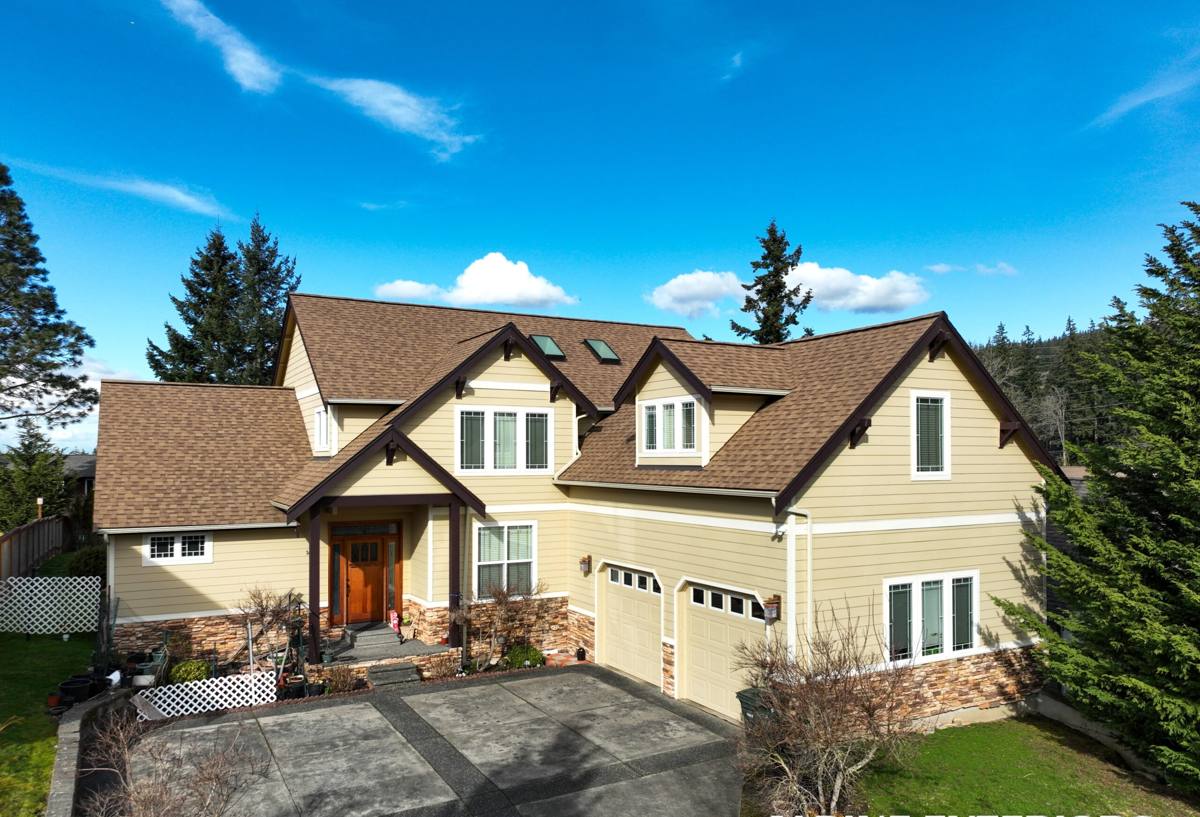
What Barrier-Island Conditions Do to Siding Over Time
Salt Air and Corrosion
Salt aerosol travels inland on Gulf breezes and settles on every exterior surface, including siding, trim, and fasteners. Over years, that salt film holds moisture against the wall longer than it would otherwise sit, accelerates corrosion on any exposed metal fasteners or trim, and slowly breaks down finishes that weren't engineered to resist it. Homes closer to the water see this faster than homes set back a mile or two inland.
UV Load
Florida sun is intense nearly all year, and a west- or south-facing wall in Indian Shores gets hours of direct exposure with almost nothing to block it. UV breaks down pigments and resins in lower-grade siding finishes, which is why chalking, fading, and uneven color are common complaints on homes with painted wood, some engineered wood products, or older vinyl.
Wind-Driven Rain
During storms and even routine summer downpours, wind pushes rain sideways into wall assemblies instead of letting it run straight down. That means every seam, joint, and fastener penetration on your siding is a potential water entry point, and the quality of caulking, flashing, and butt-joint treatment matters as much as the siding material itself.
Wind Load
Pinellas County sits squarely in a hurricane-prone wind zone, and Indian Shores' open exposure means fewer trees and structures to break wind speed before it hits your home. Siding attachment — fastener type, spacing, and pattern — has to be correct for the wind zone, not just "close enough."
Why We Only Install James Hardie Fiber Cement Here
We don't install vinyl, LP SmartSide, primed wood, cedar, or other fiber cement brands, and coastal exposure is a big part of why. Vinyl softens and can distort in sustained high heat and is limited in how it resists wind pressure at the edges of a home. Wood-based products, even engineered ones, depend on an intact factory coating to keep moisture out — once that coating is compromised by UV or a fastener puncture, the substrate underneath is vulnerable to moisture in a way cement board simply isn't.
James Hardie fiber cement is non-combustible, dimensionally stable in heat and humidity swings, and doesn't rely on an organic substrate that can absorb water and swell. Hardie's ColorPlus finish is baked on in a factory process and formulated to resist UV fade better than field-applied paint. For a barrier-island property, that combination — a stable substrate plus a finish built for sun exposure — is the reason we standardized on this one product line instead of offering several.
HZ5 Versus Standard Formulations
Hardie makes region-specific formulations under its HZ (HardieZone) system. HZ5 products are engineered for hot, humid, moisture-heavy climates like ours, with a moisture and mold resistance profile suited to year-round humidity rather than a product built primarily for freeze-thaw climates. Installing the correct HZ formulation for Pinellas County isn't a marketing detail — it affects how the board handles moisture cycling over its service life.
| Factor | Why It Matters in Indian Shores |
|---|---|
| Non-combustible core | No added ignition risk from grill flare-ups or nearby fire, relevant in dense coastal lots |
| Factory ColorPlus finish | Resists UV fade under near-constant Gulf sun exposure better than field-applied paint |
| Dimensional stability | Resists swelling/shrinking from humidity swings that stress seams and caulk joints |
| HZ5 formulation | Engineered moisture and mold resistance profile for hot, humid climates like Pinellas County |
| Fastener compatibility | Correct fastener spec resists corrosion better under salt air exposure |
What a Correct Installation Actually Involves
The siding material is only part of the equation — how it's installed determines whether it performs for the next 30-plus years or causes problems within five. On a barrier-island home, a few details matter more than usual:
Water Management Behind the Siding
A correctly built wall assembly includes a weather-resistant barrier, properly lapped and taped house wrap or building paper, and flashing at every window, door, and penetration so that any water that gets past the siding has a way out instead of a way in. This is invisible once the job is done, which is exactly why it's the step most likely to get shortcut by crews in a hurry.
Fastening for Wind Zone
Fastener type, length, and spacing need to match both the Hardie installation specifications and the local wind zone requirements. Under-fastened siding can lift or rattle in sustained coastal wind; incorrect fastener material corrodes faster in salt air.
Joint and Seam Treatment
Butt joints, corners, and trim transitions are where most siding failures start. Proper caulking with a Hardie-compatible sealant, correct joint flashing, and attention to manufacturer-specified gaps all reduce the chance of water tracking behind the board.
Trim and Accessory Selection
Trim boards, soffits, and fascia should be matched materials and finishes so the whole exterior weathers evenly, rather than mixing a durable siding field with trim that fades or fails on a different timeline.
Our Process for an Indian Shores Project
- On-site assessment — we inspect existing siding, sheathing condition, and any signs of prior water intrusion before quoting anything
- Product and color selection — walk through Hardie's HZ5 lines and ColorPlus options suited to coastal exposure
- Tear-off and substrate check — old siding comes off and we check the sheathing underneath for rot or moisture damage before closing the wall back up
- Water-resistive barrier and flashing — house wrap, taping, and flashing installed to spec at every penetration
- Hardie installation — fastened per manufacturer spec and local wind zone requirements
- Trim, caulking, and final detail work — joints, corners, and transitions finished and sealed
- Walkthrough — we go over the finished job with you before calling it complete
Cost Factors for This Type of Project
Every home is different, but a few factors consistently move the price on Indian Shores projects specifically:
| Factor | Why It Affects Cost |
|---|---|
| Substrate condition | Water-damaged sheathing found during tear-off requires repair before new siding goes on |
| Home height and access | Multi-story or waterfront homes with limited staging area take longer to work safely |
| Trim and detail complexity | Homes with more corners, dormers, and window trim require more cutting and joint work |
| Board profile and finish selected | Different Hardie product lines and ColorPlus finishes carry different material costs |
| Site logistics | Narrow lots and limited street parking common on the island can add setup time |
Questions Worth Asking Any Contractor Before Hiring
- Do you install a single siding system, or several brands and materials?
- Will you inspect the sheathing before closing up the wall, and what happens if you find damage?
- What fastener type and spacing do you use, and is it matched to this wind zone?
- Which specific Hardie product line and HZ formulation are you quoting, and why?
- How do you handle water-resistive barrier and flashing at windows and doors?
- What does your warranty cover, and is it transferable if the home sells?
- Do you have references or completed work near Indian Shores or elsewhere in Pinellas County?
Why a Largo-Based Crew Matters for This Job
We work in Largo and the surrounding Pinellas County communities regularly, which means Indian Shores' particular mix of salt exposure, sun load, and wind zone requirements isn't something we're guessing at — it's a condition set we plan for by default. That shows up in small but real ways: knowing which fastener and flashing details hold up under salt air, sizing up a project's access and staging needs on a narrow barrier-island lot, and being reachable afterward because we're not driving in from three counties away.
A siding job is only as good as the crew standing behind it years later. Being local isn't a slogan for us — it's the reason follow-up, warranty questions, and honest answers about how your home is actually holding up are easy to get.
Signs Your Current Siding May Already Be Struggling
If your Indian Shores home has any of the following, it's worth having someone take a look before small problems become structural ones:
- Visible fading, chalking, or uneven color on sun-exposed walls
- Soft or spongy spots when you press on the siding, especially near the bottom edges
- Cracked, curling, or separating caulk at joints and trim
- Bubbling or peeling paint on trim boards
- Visible rust streaks near fasteners or trim
- Increased humidity or musty smell along interior walls that back up to exterior siding
If you're weighing a siding project for your Indian Shores home, we're glad to come take a look, walk the exterior with you, and give you a straightforward, no-pressure estimate — just fill out the form below to get started.