 Largo Siding
 Why Window Choice Matters More in Kenneth City Than Almost Anywhere Else
Kenneth City sits in the middle of Pinellas County, close enough to Tampa Bay and the Gulf that every home in town deals with the same combination of stresses: long stretches of intense UV exposure, salt-laden air moving in off the water, sudden wind-driven rain, and the real possibility of hurricane-force winds during storm season. Windows are one of the few building components that have to stand up to all four of those things at once, every single day, for decades. A window that's fine in a drier, milder climate can fail here years ahead of schedule — seals break down from UV and heat cycling, hardware corrodes from salt air, and frames that aren't rated for wind-borne debris become a liability the first time a serious storm rolls through.
Energy efficiency and storm performance aren't separate conversations in this part of Florida — they're the same conversation. A properly specified, correctly installed window keeps conditioned air inside, blocks a huge share of solar heat gain, and holds up structurally when the wind picks up. Get any one of those wrong and the others suffer too: a poorly sealed window leaks cool air and lets in moisture, and moisture intrusion is what eventually rots framing and voids warranties.
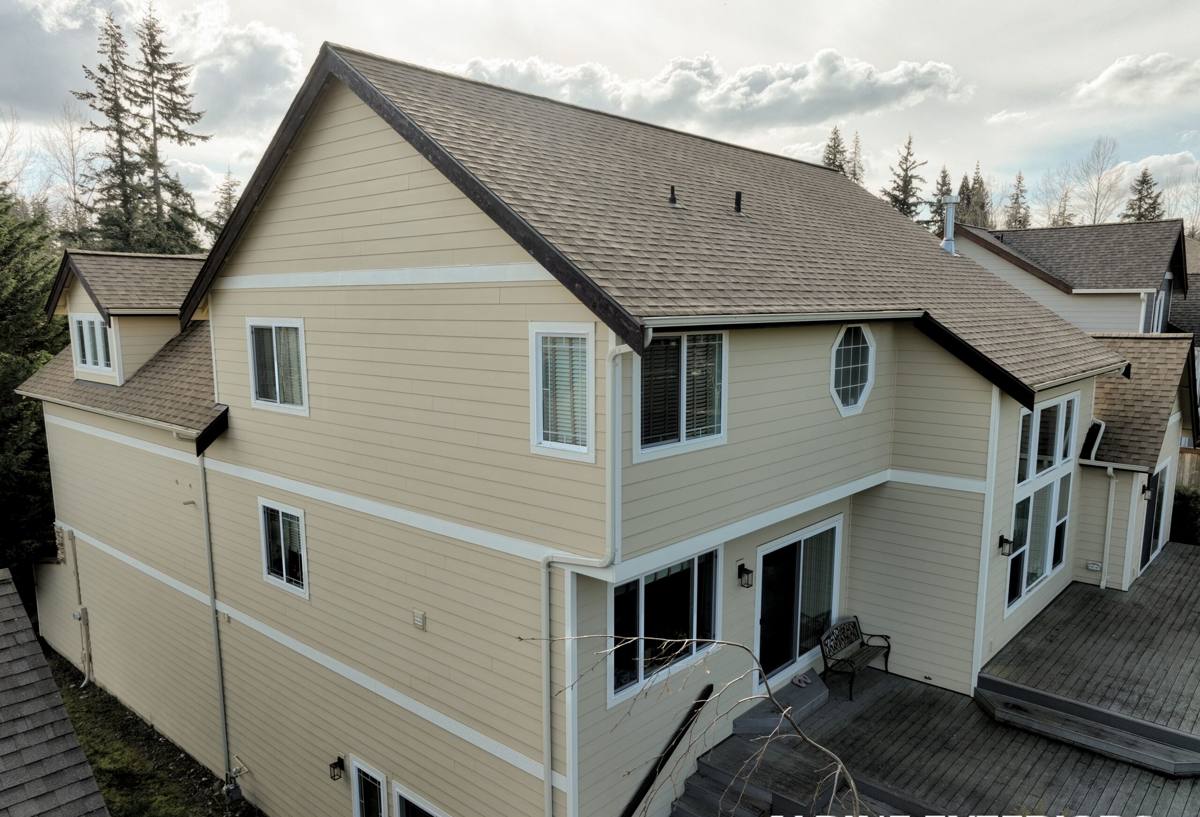
What "Energy-Efficient" Actually Means for a Window Here
It's Not Just the Glass
A lot of homeowners assume energy efficiency comes down to double-pane versus single-pane glass. That's part of it, but in a hot, humid, sun-heavy climate like ours, the bigger factors are often the Low-E coating on the glass, the frame material and its thermal performance, and — just as important — how tightly the unit is installed into the rough opening. A high-end window installed with gaps in the flashing or inconsistent sealant will underperform a mid-grade window installed correctly.
The Ratings That Matter in a Gulf Coast Climate
- U-Factor — measures how well the window resists heat transfer. Lower is better for keeping AC-cooled air inside.
- SHGC (Solar Heat Gain Coefficient) — measures how much solar heat passes through the glass. In a climate with this much sun exposure, a lower SHGC keeps rooms noticeably cooler, especially on west- and south-facing walls.
- Air Infiltration Rating — measures how much air leaks around the sash even when it's closed and locked. Matters as much for comfort as for keeping wind-driven rain out during a storm.
- Impact / Design Pressure Rating — the window's tested ability to withstand wind load and debris impact, which is a code requirement in most of Pinellas County, not an optional upgrade.
Signs a Kenneth City Home Is Overdue for New Windows
Because a lot of the housing stock in this part of the county has been through many Florida summers and storm seasons, we see the same wear patterns repeatedly. Worth checking before you decide whether repair, resealing, or full replacement makes sense:
- Glass that fogs or shows a cloudy ring between panes — the seal has failed and the insulating gas or air gap is gone
- Frames that feel warm to the touch on a hot afternoon, or noticeably higher cooling bills room by room
- Visible daylight, drafts, or whistling around the sash when it's closed and locked
- Aluminum frames with chalky white corrosion or pitting from salt air exposure
- Wood or composite sills that feel soft, discolored, or show staining below the window
- Difficulty opening, closing, or locking — frames can shift slightly as caulking and sealant age and shrink
- Condensation forming on the inside of the glass regularly, which points to both efficiency loss and a humidity problem worth addressing
Window Types We Install and How They Compare
There's no single "best" window for every home — the right choice depends on the home's age, orientation, budget, and how much of the work is driven by storm-code requirements versus comfort and energy savings. Here's how the common options stack up for a Kenneth City property:
| Window Type | Energy Performance | Storm/Wind Suitability | Maintenance |
|---|---|---|---|
| Impact-rated vinyl, dual-pane Low-E | Strong — good U-factor and SHGC in one package | Meets most wind-borne debris code requirements without added shutters | Low — no painting, resists salt corrosion well |
| Impact-rated aluminum, dual-pane Low-E | Good, though aluminum conducts more heat than vinyl frames | Strong structural rating, common in coastal construction | Moderate — frames can pit or corrode over time near salt air without upkeep |
| Standard (non-impact) dual-pane | Good energy numbers on their own | Requires separate approved storm protection to meet code in wind-borne debris areas | Low, but shutters/panels add labor every storm season |
| Single-pane, older aluminum frame | Poor — significant heat transfer and air leakage | Does not meet current wind-borne debris code on its own | High — frequent resealing, prone to corrosion and leaks |
We install and service both impact and non-impact configurations depending on what a specific home needs, but we're upfront that in this climate, impact-rated glass with a quality Low-E coating is usually the option that solves the most problems at once — energy loss, code compliance, and storm risk — without asking the homeowner to manage shutters every season.
Our Installation Process
Windows fail early far more often because of installation shortcuts than because of the product itself. Our process is built around getting the details right that don't show up until years later:
- On-site assessment — we measure existing openings, check for water damage or rot in the surrounding framing, and confirm the wind/impact rating required for the home's location and exposure category.
- Product selection — we walk through frame material, glass package, and rating options based on the home's orientation, budget, and whether the goal is primarily energy savings, storm protection, or both.
- Permitting — we pull the required permit through the appropriate local building department before work begins; this isn't optional for window replacement in this area and protects the homeowner if the property is sold later.
- Removal and opening prep — old units are removed carefully, and the rough opening is inspected and repaired if there's any hidden moisture damage before a new window ever goes in.
- Installation and flashing — proper flashing, sealant, and fastening schedule per the window's product approval, not a generic one-size-fits-all method.
- Sealing and finish work — interior and exterior sealant, trim, and cleanup, with attention to a weathertight seal against wind-driven rain.
- Final inspection — coordinating the local building inspection sign-off so the permit closes out correctly.
Permits, Codes, and Why That Matters Locally
Pinellas County falls within Florida's wind-borne debris region under the Florida Building Code, which means window replacements generally need to either carry an approved impact rating or be paired with approved storm protection, and the work needs a permit and inspection to be legal and insurable. This isn't unique to Kenneth City, but it's worth taking seriously here specifically: skipping the permit step is one of the most common problems we find when we're called in to fix or replace someone else's work, and it can create real headaches at resale or during an insurance claim after storm damage. A licensed, insured contractor who pulls permits as standard practice isn't adding red tape — they're protecting the homeowner's investment and their ability to file a clean insurance claim if a storm ever causes damage.
Energy Savings: What Actually Drives the Cost-Benefit
Every home is different, so we won't quote a specific dollar savings figure that doesn't apply to your house. What we can walk through honestly is which factors move the needle most:
| Factor | Why It Affects Efficiency |
|---|---|
| Window orientation (east/west/south exposure) | West- and south-facing rooms take the brunt of Florida's afternoon sun; SHGC matters most there |
| Existing frame condition | A failing seal or warped frame undermines even a good glass package |
| Attic and wall insulation | Windows are one piece of the envelope — poor insulation elsewhere limits how much a window upgrade can do alone |
| AC system age and sizing | An oversized or aging system won't fully reflect a window upgrade's benefit on the utility bill |
| Number of windows replaced at once | Partial replacements help, but whole-home consistency closes more leak points and simplifies future maintenance |
The honest answer is that energy-efficient windows are a long-term investment that pays back gradually through lower cooling costs and fewer repair calls, not an overnight bill-slasher — and their bigger, more immediate value in this area is durability against the climate itself.
Why Hire a Crew That Already Works in Kenneth City
A window installer who regularly works in Pinellas County knows the local permitting process, understands which wind exposure category applies to a given lot, and has already seen how salt air and sun exposure affect different frame materials over time in this specific environment. That local familiarity shows up in small but important ways — knowing which flashing details hold up against wind-driven rain here, not treating the permit step as an afterthought, and being straightforward about which product actually fits the home instead of upselling based on national marketing rather than local performance. For a Kenneth City homeowner, that means fewer surprises, a smoother permit and inspection process, and windows installed the way the climate actually demands.
If you're weighing repair versus replacement, or just want a straight answer on what your home actually needs, we're happy to take a look and provide a free, no-pressure estimate — use the form below to get started.