 Largo Siding
 Asphalt Shingle Roofing Built for Clearwater's Weather
Homes in and around Clearwater sit in one of the toughest roofing environments in the country. The roof over a Clearwater home isn't just shedding rain — it's absorbing months of intense UV exposure, cycling through sudden downpours, and taking on salt-laden air blowing in off the Gulf. Add hurricane-force wind events to that mix, and it's easy to see why a roof that was installed correctly for a drier, calmer climate often fails early here. Asphalt shingle roofing can perform very well in Pinellas County, but only when the materials, fastening pattern, and underlying details are chosen for this specific environment, not a generic one.
This page covers what a correctly built asphalt shingle roof needs to hold up in the Clearwater area, what our installation process looks like, and how to think about the tradeoffs between shingle types, warranties, and cost. If you're comparing quotes or trying to figure out whether your current roof needs repair or replacement, this should give you a clear, honest starting point.
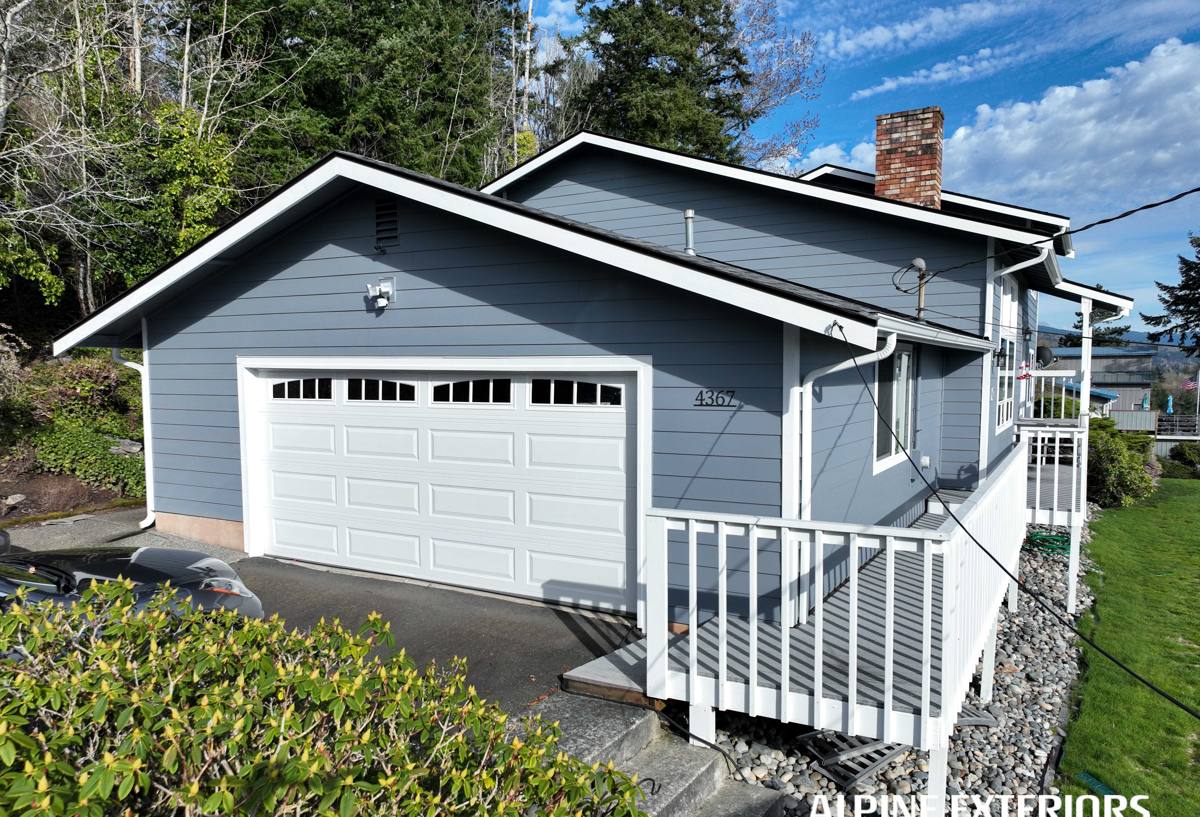
How Local Conditions Wear Down a Shingle Roof
Every roofing material ages. What matters is how fast, and what specifically is attacking it. In this part of Florida, four factors do most of the damage:
- Wind uplift: Sustained coastal and storm-season winds get under shingle tabs that weren't sealed or fastened correctly, working them loose one gust at a time until they tear off entirely.
- Year-round UV exposure: Unlike northern climates with a true winter break, roofs here take strong sun almost every month. UV breaks down asphalt oils over time, leading to granule loss, brittleness, and premature cracking.
- Wind-driven rain: Rain that comes in sideways during a storm doesn't behave like rain falling straight down. It can find its way under shingles and through poorly sealed flashing points that would never leak in calmer weather.
- Salt air: Being close to the coast means airborne salt settles on roofing metal, fasteners, and vent components. Over years, that accelerates corrosion on anything that isn't rated for a coastal environment.
None of these factors are unusual for Pinellas County — they're simply the baseline. A roof designed and installed with that baseline in mind will hold up far longer than one installed the same way it might be in a milder climate.
What a Correct Asphalt Shingle Roof Needs Here
Wind-Rated Shingles and Fastening
Not all asphalt shingles carry the same wind rating, and the rating on the shingle package only means something if the installation matches it. That includes the correct number of nails per shingle, nails placed in the manufacturer's designated nailing zone (not just "close enough"), and a sealant strip that's been given the chance to properly adhere. Florida's building code sets minimum wind-resistance standards for a reason — this is one area where cutting corners shows up later as a roof full of lifted or missing tabs after the first real storm.
Underlayment That Handles Wind-Driven Rain
The shingles are the visible layer, but the underlayment underneath is what protects the deck if wind-driven rain gets past them, or during the window between tear-off and final shingle installation. A synthetic underlayment, with self-adhering membrane at vulnerable points like valleys and roof-to-wall transitions, gives a meaningfully better line of defense than older felt-only systems.
Flashing at Every Penetration
Chimneys, vent pipes, skylights, and wall intersections are where the vast majority of roof leaks actually start — not in the open field of shingles. Properly formed and sealed flashing at each of these points matters as much as the shingles themselves, especially when driving rain is involved.
Balanced Attic Ventilation
A hot, poorly ventilated attic bakes the underside of the roof deck and shortens shingle life from below while the sun is doing the same from above. Intake at the eaves paired with exhaust at the ridge keeps attic temperatures more reasonable and reduces the moisture buildup that can rot decking over time.
Corrosion-Resistant Metal Components
Drip edge, valley metal, and fasteners near the coast should be rated for salt exposure. Standard-grade metal that would be fine further inland can start showing rust and staining within a few years this close to the Gulf.
Signs a Clearwater-Area Roof Needs Attention
Some warning signs are obvious; others show up gradually and get dismissed as normal aging. Worth checking for:
- Shingles that are curling, cupping, or losing granules faster in certain sections than others
- Cracked or missing shingles after a windstorm, even if there's no visible leak yet
- Soft spots or sagging when walking the roof, which can point to deck damage underneath
- Rust streaking or corrosion around vents, flashing, or fasteners
- Granules collecting in gutters, a sign the shingles are breaking down
- Interior stains on ceilings or in the attic, especially after a heavy rain event
- A roof approaching or past the manufacturer's expected service life for this climate
Some of these are repair situations. Others — particularly widespread granule loss, deck damage, or a roof nearing the end of its rated life — point toward replacement being the more cost-effective path. We'll always tell you honestly which category your roof falls into rather than pushing a bigger job than you need.
Our Asphalt Shingle Roofing Process
Inspection and Honest Estimate
We start by getting on the roof, not just looking at it from the ground. That means checking the deck, flashing, ventilation, and the shingles themselves so the estimate reflects what your roof actually needs — not a generic package.
Tear-Off and Deck Inspection
For a full replacement, we remove the old roofing down to the deck. This is the point where hidden problems — soft or rotted plywood, old damaged flashing, prior repair shortcuts — actually get found and addressed, instead of being covered up under new shingles.
Underlayment, Flashing, and Ventilation
Before a single shingle goes down, we install underlayment appropriate for this climate, form and seal flashing at every penetration and transition, and confirm the ventilation path is balanced. This layer does more long-term work than most homeowners realize.
Shingle Installation to Wind-Rated Spec
Shingles go on with the fastening pattern the manufacturer specifies for the wind rating we're targeting — not a shortcut pattern. This is also where starter strips and ridge caps get installed correctly, since these are common places where lower-quality installs fail first.
Final Walkthrough and Cleanup
We walk the finished roof, check the details, and clean the property of nails and debris before calling the job done.
Comparing Shingle Options for a Coastal Pinellas County Home
Not every shingle product is a good fit for this environment. Here's a general comparison to help frame the conversation — actual pricing and manufacturer warranty terms should be confirmed for your specific roof and product selection.
| Shingle Type | Typical Wind Rating | Best Fit For | Tradeoffs |
|---|---|---|---|
| 3-Tab | Lower end of the range | Budget-focused projects | Less wind resistance and shorter expected service life in coastal conditions |
| Architectural (Laminated) | Mid-to-high, depending on product line | Most Clearwater-area homes | Higher upfront cost than 3-tab, but noticeably better wind and impact performance |
| Impact-Rated Architectural | High end of the range | Homes prioritizing storm resilience, or seeking insurance premium credit | Highest material cost; potential savings on homeowner's insurance in some cases |
For most homes in this area, architectural shingles offer the better balance of upfront cost, wind performance, and appearance. Impact-rated shingles are worth a real conversation for homeowners focused on maximizing storm resilience or exploring insurance premium credits, which vary by carrier and should be confirmed directly with your insurance provider.
What Drives Cost on an Asphalt Shingle Roof
Every roof is different, so we don't quote sight unseen — but these are the main factors that move the number up or down:
| Factor | Why It Matters |
|---|---|
| Roof size and pitch | More square footage and steeper slopes both increase material and labor |
| Number of layers to remove | Tearing off multiple old layers adds labor and disposal cost |
| Deck condition | Rotted or damaged plywood found during tear-off requires replacement before installation continues |
| Shingle tier selected | 3-tab, standard architectural, and impact-rated products carry different material costs |
| Roof complexity | Valleys, dormers, chimneys, and skylights all add labor and flashing detail |
| Ventilation upgrades | Adding or correcting ridge and intake ventilation adds scope but improves long-term performance |
We break these out clearly in every estimate so you know what you're paying for and why, rather than getting a single lump-sum number with no explanation behind it.
Maintaining a Shingle Roof in a Salt-Air Climate
Regular attention extends the life of any roof in this environment. A simple seasonal checklist:
- Clear gutters and downspouts so water isn't backing up under the roof edge
- Look for lifted, cracked, or missing shingles after any significant wind event
- Check flashing around vents, chimneys, and skylights for gaps or corrosion
- Trim back overhanging branches that can abrade shingles or drop debris
- Have the roof inspected before hurricane season and again afterward
- Watch the attic for signs of moisture, staining, or poor airflow
None of this replaces a professional inspection, but staying on top of these basics catches small issues before they turn into deck damage or interior leaks.
Why Local Experience Matters for This Job
Asphalt shingle roofing isn't installed the same way everywhere, and a crew that mostly works inland or in calmer climates won't automatically build in the details that matter here — the nailing pattern for local wind speeds, the flashing approach for wind-driven rain, the metal components rated for salt exposure. A crew that regularly works Clearwater and the surrounding Pinellas County communities has already run into the failure points specific to this area and builds around them as standard practice, not an upsell.
That local familiarity also means a more realistic estimate. We're not guessing at how this climate treats a roof — we've seen what holds up here and what doesn't, and we build every job around that.
If you're weighing a repair, a full replacement, or just want an honest read on where your roof currently stands, we're glad to take a look. Use the form below to request a free, no-pressure estimate.