 Largo Siding
 Why Oldsmar Homes Need More Than a "Standard" Replacement Window
Oldsmar sits in the Tampa Bay portion of Pinellas County, and homes here deal with a specific mix of stress that a lot of window sellers gloss over: long stretches of direct sun, sudden wind-driven downpours, and salt-laden air moving in off the bay. A window that's rated "energy efficient" in a lab in a different climate zone doesn't automatically perform the same way once it's facing a Florida summer. For homeowners in Oldsmar and the wider Largo area, the real question isn't just "will this window lower my electric bill" — it's whether the glass, frame, and installation can survive year-round UV exposure and wind pressure without failing early.
That's the lens we use on every window job we quote in this area. Energy efficiency and storm resilience aren't two separate upgrades here — in Pinellas County, they're the same job done right.
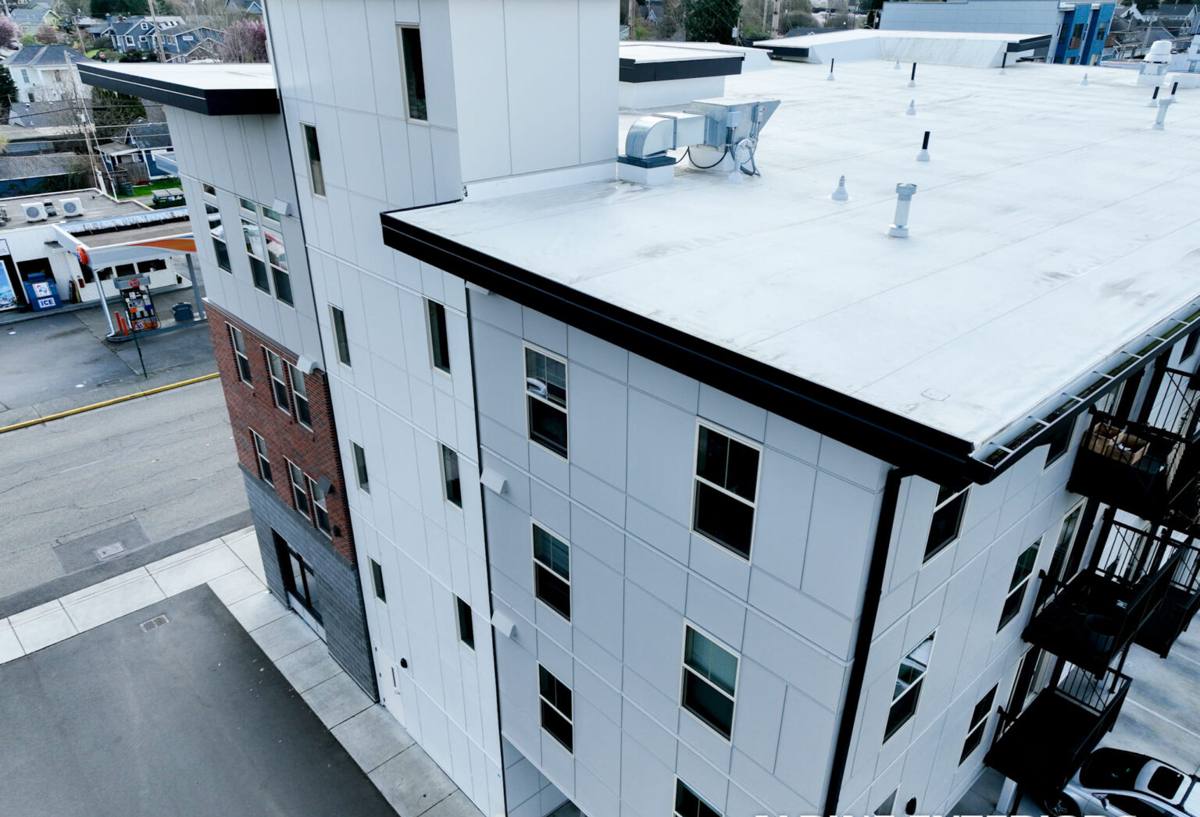
What Florida's Climate Actually Does to a Window Over Time
It helps to understand the specific ways this region wears down windows, because it explains why certain products and installation details matter more here than elsewhere.
- UV exposure: Nearly year-round sun breaks down cheap vinyl, fades interior finishes, and degrades seals and gaskets faster than in northern climates.
- Wind-driven rain: Florida storms rarely fall straight down. Rain gets pushed sideways into window frames, which means flashing and sealing details matter as much as the glass itself.
- Salt air: Even away from the immediate coastline, bay-adjacent areas like Oldsmar get airborne salt that corrodes untreated metal hardware, fasteners, and lesser-grade frame components over the years.
- Hurricane-force wind pressure: Windows have to handle both direct wind load and the pressure cycling that comes with tropical systems, which is a different demand than everyday weather.
Any one of these on its own is manageable. All four, working on a window year after year, is why a window that's cheap upfront often ends up being the expensive choice by year eight or ten.
What "Energy-Efficient" Actually Means for a Florida Window
Energy efficiency in this climate is mostly about keeping heat and UV out, not keeping heat in — the opposite priority from a lot of national window marketing aimed at colder states. Two numbers matter most:
- U-factor: Measures how much heat transfers through the window. Lower is better in any climate.
- SHGC (Solar Heat Gain Coefficient): Measures how much solar heat passes through the glass. In Florida, a low SHGC is usually more important than U-factor, since your cooling load — not heating — is what drives your energy bill most of the year.
Low-E coatings, insulated (often argon-filled) glass units, and a properly sealed, well-flashed frame all work together to bring both numbers down. None of it matters much if the installation lets air and moisture bypass the frame entirely, which is a mistake we see often on older replacement jobs in this area.
Impact-Rated Glass vs. Standard Glass Plus Shutters
Homeowners in Oldsmar generally have two paths to storm protection: impact-rated windows, or standard windows paired with separate shutters or panels. Both can satisfy code. The trade-offs are worth knowing honestly:
| Factor | Impact-Rated Windows | Standard Windows + Shutters |
|---|---|---|
| Storm prep effort | None — always protected | Must install/remove panels each storm |
| Everyday noise reduction | Noticeably better | No change day-to-day |
| Upfront cost | Higher | Lower, but shutters add cost too |
| Appearance | No exterior hardware needed | Visible tracks, panels, or storage needs |
| Insurance impact | Often qualifies for wind mitigation credits | Depends on shutter type and rating |
Neither option is wrong. It comes down to budget, how much day-to-day storm prep you want to deal with, and how long you plan to stay in the home.
What a Correct Installation Actually Involves
The window unit itself is maybe half the job. In Pinellas County, the other half is everything around it:
- Product approval: Windows installed in this area need Florida Product Approval or Miami-Dade NOA documentation appropriate to the local wind zone — not every window sold nationally carries this.
- Correct flashing and sealing: Wind-driven rain finds any gap. Proper flashing tape, sealant, and integration with the existing wall assembly is what actually keeps water out, not just the window's own weatherstripping.
- Permitting: Window replacement in this region typically requires a permit and inspection. Skipping this isn't just a paperwork issue — it can affect your insurance claim and resale down the road.
- Fastening to structure: The window has to be anchored into sound framing with fasteners rated for the wind load, not just enough screws to hold it in place.
- Interior and exterior trim-out: Finishing details that get rushed are usually where the first leaks show up a year or two later.
A window that's correctly rated but poorly installed will underperform a lesser window that's installed right. Installation quality is where most of the real-world performance difference actually comes from.
Our Process for Oldsmar Window Projects
We keep the process straightforward and try to avoid surprises mid-project:
- On-site assessment: We look at your existing windows, framing condition, and any signs of past water intrusion before recommending anything.
- Product selection: We walk through impact vs. non-impact options, frame materials, and glass packages based on your budget and how the home is oriented to the sun.
- Permitting: We handle the permit application and make sure the products specified carry the approvals required for this area.
- Removal and installation: Old units are removed carefully to protect surrounding stucco, siding, or trim, and new units are set, flashed, and sealed to manufacturer and code specs.
- Final inspection and walkthrough: We confirm the permit inspection passes and walk the job with you before calling it done.
Signs Your Current Windows Are Costing You Money
A lot of homeowners live with underperforming windows for years without connecting them to the actual cost. Some things worth checking:
- Interior glass or frames feel noticeably hot to the touch on sunny afternoons.
- You can feel air movement near the frame when it's windy outside.
- Condensation regularly forms between the panes (a sign the seal has failed on an insulated unit).
- Frames show chalking, pitting, or discoloration from years of UV exposure.
- Hardware — locks, cranks, hinges — feels stiff or corroded, a common effect of salt air over time.
- Rooms with more window area cool down or heat up noticeably faster than the rest of the house.
- You hear road or neighborhood noise clearly through closed windows.
None of these alone means you need full replacement, but two or three together usually mean the windows are no longer doing their job efficiently.
Wind Mitigation and Insurance Considerations
Florida's wind mitigation inspection process can credit homeowners for verified impact-rated windows and other storm-resistant features, which sometimes offsets a meaningful part of a homeowner's insurance premium. The specifics depend on your insurer and the mitigation report itself, so we'd rather be honest that we're not insurance agents — but we do make sure any impact windows we install carry the documentation needed to support a mitigation inspection, since that paperwork is what actually gets submitted to your carrier.
What Affects the Cost of a Window Project
| Cost Factor | Why It Matters |
|---|---|
| Impact vs. non-impact glass | Impact-rated units cost more but remove the need for separate storm protection |
| Frame material | Vinyl, aluminum, and composite frames differ in upfront cost and long-term maintenance |
| Number and size of openings | Larger and more numerous windows increase both material and labor |
| Existing condition | Rot, moisture damage, or out-of-square openings add repair work before installation |
| Permitting requirements | Larger jobs or full-home replacements may require more inspection steps |
We give a straightforward, itemized quote rather than a single lump number, so you can see where the cost is actually going.
Why Hiring a Crew That Already Works in Oldsmar and Largo Matters
A contractor who regularly works this part of Pinellas County already knows what the local permitting office expects, which product approvals actually apply here, and how homes in this area were originally built — which matters when you're tying new windows into existing stucco, siding, or trim. That familiarity cuts down on the guesswork, the change orders, and the surprises that come from a crew learning the local requirements on your job. It's the difference between a window installer and a contractor who treats the whole opening — glass, frame, flashing, and finish — as one system that has to hold up against this specific climate.
If you're weighing your options for windows on an Oldsmar or Largo home, we're happy to take a look and give you a straightforward, no-pressure estimate — just fill out the form below and we'll go from there.