 Largo Siding
 Deck Repair Built for Indian Shores Conditions
A deck in Indian Shores works harder than a deck almost anywhere else in Pinellas County. Between the salt air rolling off the Gulf and the Intracoastal, the wind loads that come with living on or near a barrier island, and Florida's relentless UV exposure, the wood, fasteners, and hardware holding your deck together are under constant stress. Add wind-driven rain that finds its way into every seam and joint during our storm season, and it's easy to see why decks here fail years before a similar structure would inland.
We're a Largo-based siding and exterior contractor that also handles deck repair throughout our service area, including Indian Shores. We're not a nationwide franchise quoting from a spreadsheet — we know what coastal Pinellas County does to outdoor structures because we see it every week. This page covers what actually goes wrong with decks in this specific environment, what a correct repair looks like, and how we approach the work.
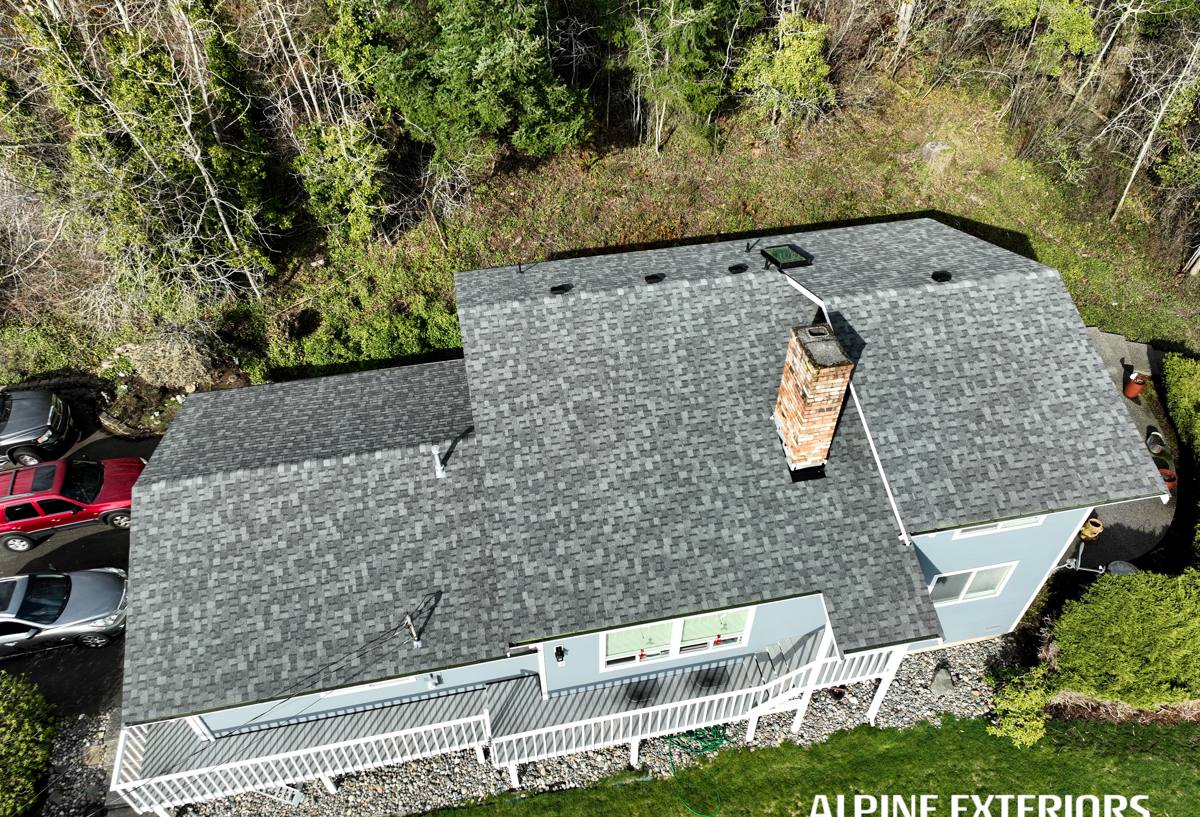
Why Coastal Exposure Wears Decks Out Faster
Every material on your deck is fighting the same environment, just in different ways:
Salt Air and Corrosion
Airborne salt doesn't just sit on the surface — it works into fastener heads, hinges, and any exposed metal connector. Once corrosion starts on a nail, screw, or joist hanger, it weakens from the inside even if the surface looks fine. This is one of the most common hidden problems we find on Indian Shores decks: hardware that looks intact but has lost most of its holding strength.
UV and Sun Exposure
Florida sun is intense and nearly constant. On wood decking, UV breaks down the lignin that holds wood fibers together, leaving the surface dry, gray, and prone to splintering. On composite decking, UV exposure over years can fade color and, on lower-quality boards, contribute to surface chalking. Either way, a deck that isn't sealed or maintained on a regular schedule ages faster here than the same deck would in a milder climate.
Wind-Driven Rain
Rain that comes in sideways during a storm doesn't behave like rain falling straight down. It gets pushed into gaps around ledger boards, under railings, and into any joint that isn't properly flashed or sealed. Over time, this is what causes rot in structural framing that's otherwise hidden from view under the decking boards.
Wind Load and Storm Stress
Hurricane-force winds put real lateral and uplift stress on railings, stair stringers, and the connection between the deck and the house. A deck that was built to code years ago may have loosened connections or fatigued hardware from repeated storm cycles, even without a single major event causing obvious damage.
Common Deck Problems We Find in Indian Shores
Because many homes in and around Indian Shores are elevated or close to the water, we tend to see a specific pattern of issues that's different from what you'd find on an inland deck:
- Ledger board separation — the board that attaches the deck to the house pulling away or showing gaps, often from moisture intrusion behind it
- Corroded or failing fasteners — nails, screws, and joist hangers weakened by salt exposure, sometimes with visible rust staining on the decking above
- Soft or spongy decking boards — a sign of moisture-related rot in wood decking, or in some cases substrate failure under composite
- Loose or wobbly railings and posts — a safety issue that often starts as a small movement and worsens with each storm season
- Cracked or splitting stair stringers — high-stress components that take a beating from both foot traffic and weather
- Delamination or flaking on composite boards — more common on older or lower-grade composite products exposed to constant sun and moisture cycling
- Discoloration and mildew staining — cosmetic at first, but often a signal that moisture isn't draining or drying the way it should
What a Proper Deck Repair Actually Involves
A repair that only addresses what's visible on the surface tends to fail again within a season or two. We approach deck repair the same way we approach siding and exterior work — the goal is to find and fix the underlying cause, not just patch the symptom.
Structural Inspection First
Before any repair work starts, we check the framing underneath the decking: joists, beams, posts, and the ledger board connection to the house. This is where the real structural problems live, and it's the part a homeowner usually can't see just by walking across the deck.
Fastener and Hardware Assessment
Given how aggressively salt air attacks metal here, we specifically check the condition of joist hangers, structural screws, and any exposed hardware. Corroded fasteners get replaced with hardware rated for coastal exposure, not just whatever matches what was there before.
Moisture and Rot Evaluation
We identify soft spots, staining, and areas where water has been sitting or draining incorrectly. Rot doesn't stay contained to one board — if it's found, we trace it back to the source, whether that's a flashing gap, a drainage problem, or a sealant failure.
Board, Railing, and Stair Repair or Replacement
Depending on what the inspection turns up, this can mean replacing individual boards, resetting and reinforcing railings and posts, or rebuilding stair stringers. We match materials and fastening methods to what the rest of the structure needs, not just what's fastest to install.
Repair or Replace? How We Help You Decide
Not every deck problem means starting over, and not every deck is worth continuing to patch. The table below outlines the factors that typically point one direction or the other.
| Factor | Leans Toward Repair | Leans Toward Replacement |
|---|---|---|
| Structural framing | Solid, joists and ledger intact | Widespread rot or corrosion in framing |
| Extent of damage | Isolated boards, railings, or fasteners | Damage spread across most of the deck surface |
| Age of deck | Under 10-15 years, built to a reasonable standard | Original construction is decades old or undersized for current code |
| Material condition | Wood or composite still structurally sound | Delamination, widespread splintering, or failed composite boards |
| Budget goals | Targeted fix extends usable life | Full rebuild avoids repeat repairs within a few years |
We'll walk this out with you in person. If a repair genuinely solves the problem, that's what we'll recommend — we're not going to push a full rebuild when a targeted fix will hold up.
Our Deck Repair Process
- On-site inspection. We walk the entire deck, check the framing where accessible, and test railings, boards, and connection points.
- Honest assessment. We tell you what we found, what's driving the damage, and what your realistic options are — repair, partial rebuild, or full replacement.
- Written scope and estimate. You get a clear plan before any work starts, so there are no surprises once we're on site.
- Repair work. We address the structural cause first, then rebuild or replace the affected boards, railings, hardware, or stairs.
- Final check. We confirm railings are secure, boards are properly fastened, and the repaired areas are ready for normal use.
Materials We Use and Why
Material choice matters more on a barrier island property than almost anywhere else. When we're repairing or replacing sections of a deck, we account for how each material actually performs under salt exposure and UV, not just how it looks on day one.
Pressure-Treated Wood
Still a solid, cost-effective choice for framing and can work for decking boards if it's properly sealed and maintained on a regular schedule. In a salt-air environment, the maintenance commitment is real — skipping it shortens the lifespan considerably.
Composite Decking
Lower maintenance than wood and generally holds up well to moisture, but quality varies significantly between product lines. We're selective about which composite products we install because some lower-grade boards have shown weaker performance under sustained coastal sun and moisture cycling. We'll talk through the trade-offs honestly rather than just selling whatever's on the truck.
Fasteners and Hardware
Regardless of decking material, we prioritize corrosion-resistant fasteners and connectors for coastal applications. This is one of the areas where cutting corners causes the most repeat failures, so it's not a place we compromise.
Signs Your Deck Needs Repair Now
Some deck problems are urgent, and waiting on them turns a manageable repair into a bigger project. Watch for:
- Boards that feel soft, spongy, or flex noticeably when you walk on them
- Railings or posts that wobble or shift when pushed
- Visible gaps or separation where the deck meets the house
- Rust staining running down from screws or hardware
- Stair treads or stringers that feel unstable
- Persistent damp spots or mildew that don't dry out between rains
- Cracking, splintering, or splitting concentrated in one area
If you're seeing any of these, it's worth having it looked at before the next storm season rather than after.
Protecting Your Deck After the Repair
A repair holds up longer when it's paired with a realistic maintenance routine suited to this climate. For wood decking, that generally means resealing on a regular cycle rather than waiting until the finish is visibly gone. For composite, it means periodic cleaning to keep salt residue and organic buildup from accumulating in the board grooves. For both, it means checking railings, fasteners, and the ledger connection after any significant storm — small movement caught early is a quick fix, and the same movement ignored for a year usually isn't.
Why Hire a Crew That Already Works in Indian Shores
Deck repair on a barrier island community isn't the same job as deck repair twenty miles inland. A contractor who doesn't regularly work in this environment can miss the specific failure patterns that salt air and coastal wind exposure cause — they're used to diagnosing problems that show up on a typical inland property, not the corrosion and moisture issues that show up here first. Working across Largo and the surrounding Pinellas County coastal communities means we're familiar with local permitting expectations, the wind and structural standards that apply to exterior work in this area, and the practical realities of scheduling around storm season.
We also stand behind our own work with the same standard we'd want on our own homes: identify the real cause, fix it correctly, and use materials and hardware that are actually suited to this environment — not just whatever's cheapest or fastest to install.
If your deck in Indian Shores has damage, feels unstable, or is just due for an honest inspection, we're happy to take a look. Reach out using the form below for a free, no-pressure estimate.