 Largo Siding
 Board & Batten Siding in Clearwater: A Look That Has to Work as Hard as It Looks
Board and batten is one of the most requested siding profiles we see in Clearwater — wide vertical boards with narrow battens covering the seams, giving a home a clean, farmhouse-modern or coastal look that stands out from the lap siding on most of the block. It's a strong choice for a full exterior, an accent gable, a porch surround, or a single feature wall. But the same traits that make it visually striking — long vertical joints, exposed seams, a flatter panel profile — also make it a profile where installation quality matters more than usual, especially this close to the water.
This page is specifically about board and batten siding for homes in and around Clearwater. We're not going to give you a generic rundown of the siding profile — we're going to walk through what this climate actually does to it, what a correct installation requires here, and why the crew you hire for it matters as much as the material.
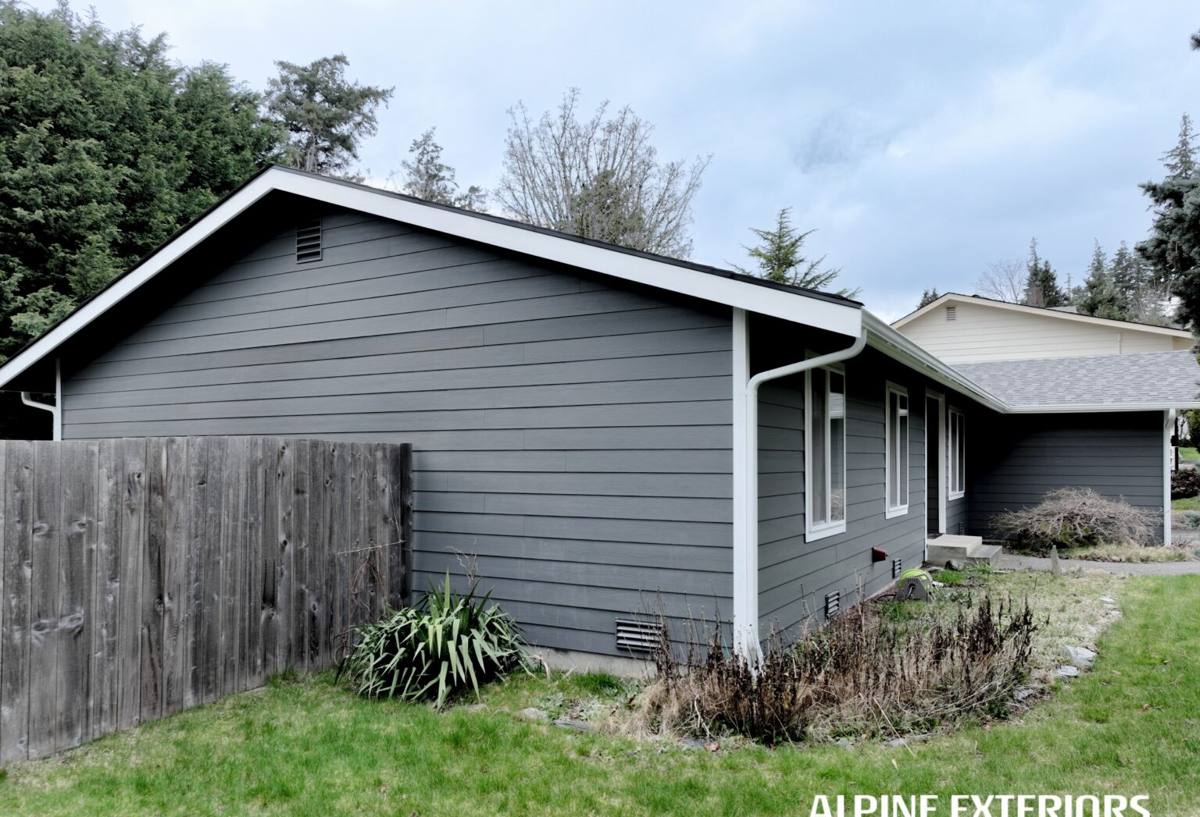
What Clearwater's Climate Demands From a Vertical Siding Profile
Homes in Clearwater and the surrounding Pinellas County coastline deal with a specific combination of stressors that most siding profiles were never designed around:
- Hurricane-force and tropical-storm winds that put direct uplift and pressure loads on every fastener and joint in a vertical siding system.
- Intense, near year-round UV exposure that breaks down pigments, resins, and caulk faster than in most of the country.
- Wind-driven rain that gets pushed sideways and upward into seams and joints that would stay dry in a calmer climate.
- Salt air off the Gulf that accelerates corrosion on fasteners, trim, and any material not built to resist it.
Board and batten has more vertical seam length per square foot than horizontal lap siding, and depending on the product, it may rely on butt joints and H-molding at panel breaks. Every one of those seams is a place water can find a way in if it isn't flashed and fastened correctly. In a mild inland climate, a mediocre installation might go years without showing a problem. In Clearwater, it won't.
Why We Install Board & Batten Only in James Hardie Fiber Cement
We install James Hardie exclusively — we don't do board and batten in vinyl, LP SmartSide, Cemplank, Allura, or raw wood, and we're upfront about why.
Vinyl board and batten is lightweight and affordable, but it expands and contracts significantly in Florida's heat, and vertical vinyl panels are more visible when they bow, oil-can, or gap at the seams than horizontal runs are. It's also a fuel source in a fire and softens under sustained direct sun exposure, which this region gets more of than almost anywhere else in the country.
Engineered wood products (like LP SmartSide) and raw wood or primed spruce board and batten look good on day one, but wood-based substrates are dependent on unbroken paint film and sealed cut edges to keep moisture out. In a climate with this much humidity and wind-driven rain, any lapse in caulking or touch-up maintenance becomes a moisture entry point, and moisture is what eventually causes swelling, delamination, or rot at the panel edges and battens.
James Hardie fiber cement doesn't share those weaknesses. It's non-combustible, it doesn't expand and contract the way vinyl does, and it holds up to direct UV without the surface breakdown that plagues some other materials. Hardie also engineers its siding by climate zone — the HZ10 product line is formulated for the moisture and humidity conditions of the Gulf Coast, not a one-size-fits-all national spec. That's a meaningful difference in a county that sits on a peninsula.
ColorPlus Finish vs. Field Painting
For board and batten specifically, we strongly recommend Hardie's ColorPlus factory finish over field-applied paint. ColorPlus is baked on in a controlled environment with multiple coats and a stronger bond than a paint crew can achieve outdoors, and it comes backed by its own finish warranty. On a profile with this much exposed vertical surface and seam trim, a consistent factory finish also just looks better long-term than a field-painted job that will show brush and roller variation as it ages in the sun.
What a Correct Board & Batten Installation Actually Involves
The visual appeal of board and batten is simple. The installation is not. Getting it right in a wind- and rain-exposed climate like Clearwater's comes down to details that aren't visible once the job is finished:
- Weather-resistive barrier and rainscreen strategy behind the panels, so any moisture that does get past the surface has somewhere to drain and dry out instead of sitting against the sheathing.
- Correct fastener type, spacing, and embedment — board and batten carries real wind load, and under-fastening or using the wrong fastener is one of the most common failure points we see on redo work.
- Proper flashing at every horizontal joint, window, door, and roofline intersection, since board and batten's vertical seams funnel water downward toward these transitions.
- Correct gapping and sealant at butt joints to allow for material movement without creating a wick point for water.
- Battens fastened independently of the underlying panel where the system calls for it, so the reveal stays straight and consistent over time instead of telegraphing panel movement.
- Kick-out flashing and proper termination at the base, particularly important where board and batten meets a porch roof, garage roofline, or grade.
None of this is visible in the finished product — but skipping any one of these steps is exactly how a beautiful board and batten install turns into a moisture problem three or four years later.
Board & Batten Compared to Other Siding Profiles
Homeowners considering board and batten for a Clearwater home often ask how it stacks up against more common profiles. Here's an honest comparison, assuming James Hardie fiber cement in each case:
| Factor | Board & Batten | Traditional Lap Siding |
|---|---|---|
| Look | Modern farmhouse, coastal, vertical emphasis | Classic, traditional horizontal shadow line |
| Seam exposure | More vertical seams and joints to detail correctly | Fewer joints, more forgiving installation |
| Wind performance (correctly installed) | Strong — but fastening and flashing precision matters more | Strong and slightly more tolerant of minor install variance |
| Best use in Clearwater | Full exteriors, accent walls, gables, porch surrounds | Full exteriors, most common default |
| Maintenance | Same as lap when ColorPlus finished; more visible if joints fail | Same as board & batten when ColorPlus finished |
Neither profile is objectively "better" — the difference is look and installation forgiveness. Board and batten rewards a crew that details every seam correctly, and it shows more quickly when that doesn't happen.
Our Process for Clearwater Board & Batten Projects
1. On-Site Assessment
We walk the home in person, evaluate the existing wall assembly and any moisture or wind damage already present, and talk through where board and batten fits best — a full exterior, a single elevation, or an accent application.
2. Product and Reveal Selection
We go over Hardie panel and batten width options, reveal spacing, and ColorPlus color selection, so the finished look matches what you actually pictured, not just what's easiest to install.
3. Prep and Moisture Barrier
Old siding removal, sheathing inspection and repair as needed, and correct installation of the weather-resistive barrier and drainage plane before a single panel goes up.
4. Installation to Manufacturer and Local Wind Standards
Panels, battens, fasteners, and flashing installed to James Hardie's fastening schedule and Florida Building Code wind-load requirements for our area — not shortcuts, not "close enough."
5. Trim, Sealant, and Final Detailing
Careful sealant work at every joint and penetration, since this is where most long-term failures start on a vertical profile.
6. Walkthrough
We go over the finished job with you directly before we consider it done.
Cost Factors for Board & Batten Siding in Clearwater
We don't publish flat pricing because every home is different, but these are the real factors that move the number:
| Factor | Why It Affects Cost |
|---|---|
| Scope (accent wall vs. full exterior) | Board and batten is often used as an accent, which changes total material and labor significantly |
| Existing siding removal and substrate condition | Rot, damaged sheathing, or old moisture issues found underneath add repair scope |
| Reveal width and batten spacing | Narrower reveals mean more battens and more fastening/flashing labor per square foot |
| Trim complexity | Corners, window/door surrounds, and roofline transitions all add detail work |
| ColorPlus color and finish selection | Some finishes and specialty colors carry different material costs |
| Home height and access | Two-story walls, steep pitches, and tight lot access add labor time |
The only way to get an honest number is a walkthrough of your specific home — that's what the estimate below is for.
Maintenance: Keeping Board & Batten Right in a Gulf Coast Climate
James Hardie board and batten with a ColorPlus finish is low-maintenance, not no-maintenance. In Clearwater's climate, a few habits go a long way:
- Rinse the exterior periodically to clear salt residue, pollen, and airborne grime before it builds up in the reveals between boards and battens.
- Walk the exterior after major storms and check sealant lines at joints, window trim, and the base of the wall for any separation.
- Keep sprinklers and irrigation heads from spraying directly onto the siding — constant wetting at the same spot accelerates wear on any exterior material.
- Have caulking and sealant joints inspected every few years, since UV and heat cycling are harder on sealant here than in milder climates.
Why Hiring a Crew That Already Works Clearwater Matters
Board and batten isn't a profile you want a crew learning on your house. The margin for error on fastening, flashing, and joint detailing is smaller than with lap siding, and the consequences of getting it wrong — water intrusion behind the wall assembly — aren't visible until they've already caused damage. A crew that regularly works Clearwater and the surrounding Pinellas County coastline has already seen how wind-driven rain behaves against this profile in real storms, knows what wind-load fastening actually holds up here, and isn't guessing at flashing details based on a manual written for a different climate.
That local, repeated experience is the difference between a board and batten exterior that still looks and performs the same in ten years and one that needs early rework.
If you're considering board and batten siding for a home in Clearwater, we're happy to walk the property, talk through what it would actually involve for your specific house, and give you a straight, no-pressure estimate — no obligation either way.