 Largo Siding
 Building on Redington Shores Means Building for Wind, Water, and Salt
Redington Shores sits on a narrow barrier island in Pinellas County, with the Gulf on one side and the Intracoastal Waterway on the other. Every new home, addition, or teardown-rebuild on this stretch of coastline is exposed to conditions that inland Largo construction simply doesn't see: sustained salt-laden air, direct Gulf-facing sun for most of the day, and the real possibility of hurricane-force wind and wind-driven rain during storm season. Windows installed during new construction are one of the biggest factors in whether that exposure becomes a long-term problem or a non-issue.
New-construction windows aren't just "bigger" or "nicer" versions of replacement windows — they're a different product installed at a different stage of the build, using a different method. Getting that method right on a coastal lot like Redington Shores matters more than most homeowners realize until something goes wrong.
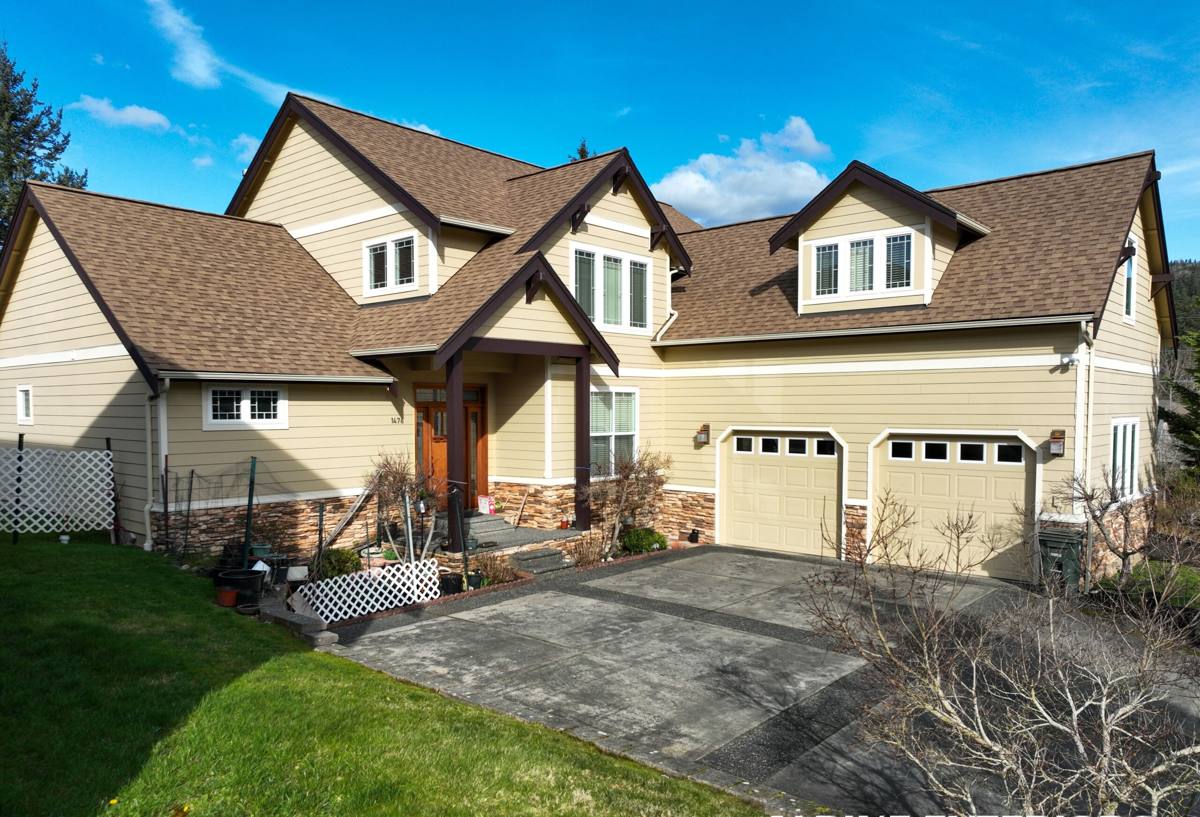
New-Construction Windows vs. Replacement Windows
A new-construction window has a nailing fin (also called a flange) around its perimeter. That fin gets fastened directly to the framing and integrated into the wall's weather-resistive barrier before siding, stucco, or exterior finish goes on. This is different from a replacement window, which is designed to fit into an existing rough opening after the exterior finish is already there, without disturbing the surrounding wall.
Because new-construction windows go in during the dry-in stage of a build — after framing, before exterior cladding — they get one real chance to be flashed and sealed correctly. Once siding or stucco covers that flange, it's largely inaccessible without tearing into finished exterior work. On a barrier island where wind-driven rain will eventually find any weak point, that first installation has to be done right, because it's not something you casually fix later.
Why This Matters More Here Than Inland
Inland Largo homes deal with heat and regular Florida rain. Redington Shores homes deal with that plus salt air corrosion, more direct wind loading off open water, and stricter code requirements tied to coastal exposure category. A window and installation method that's "fine" a few miles inland can be under-built for a beachfront or near-beach lot.
What the Local Climate Actually Demands From a New Window
Wind Load and Impact Protection
Coastal Pinellas County properties, including Redington Shores, commonly fall within Florida's wind-borne debris region under the Florida Building Code. In practice, that means new window openings on these lots typically need to be either impact-rated (laminated glass that resists penetration) or paired with code-approved protection like engineered shutters. This isn't optional trim-level upgrade territory — it's tied to your permit and your Certificate of Occupancy. We size and spec every opening based on the wind design pressures for your specific lot and elevation, not a generic package.
Salt Air and Corrosion
Metal components — hinges, cranks, screws, cladding, and hardware — corrode faster within the salt air zone of a barrier island than they do even a few miles inland. Frame material, fastener grade, and hardware finish all need to be chosen with that in mind, not just for how they perform on day one but for how they hold up after five or ten years of salt exposure.
UV and Heat
Gulf-facing exposure means long, intense daily sun. Glass package (low-E coatings, tint, and gas fill) affects both comfort and cooling load, and it affects how well vinyl or composite frame components resist UV degradation over time. A window spec'd for a shaded inland lot won't necessarily perform the same on an open, sun-exposed island lot.
Wind-Driven Rain
Storms here don't just bring rain — they push it sideways, under eaves, and into any gap in the wall assembly. The flashing and sealing detail around a new-construction window is what keeps that water out of the wall cavity. This is a bigger factor in long-term performance than most of the decisions homeowners spend time on, like frame color.
What a Correct New-Construction Window Install Actually Involves
The window unit itself is only part of the job. The installation sequence around it is what determines whether the opening stays dry for the life of the house.
| Installation Element | Why It Matters on a Coastal Build |
|---|---|
| Sill pan flashing | Creates a sloped, sealed pan under the window so any water that does get past the glazing drains back outside instead of into the wall framing. |
| Weather-resistive barrier integration | The house wrap or building paper has to be lapped and sealed with the window flange in the correct shingle-style order — get the order wrong and water gets funneled into the wall instead of away from it. |
| Fastening pattern and type | Correct fastener spacing and corrosion-resistant fasteners keep the window structurally attached under wind load and resist salt-air corrosion over time. |
| Sealant selection and placement | Not every sealant is compatible with every frame material or substrate; the wrong sealant fails early in high-UV, high-salt conditions. |
| Rough opening sizing and shimming | Proper shimming keeps the frame square and supports the window under wind pressure without binding hardware. |
Frame Material and Glass Choices for Redington Shores Builds
There's no single "correct" frame material for every project — it depends on the home's design, budget, and how exposed the specific elevation is. Here's how the common options generally compare for a barrier island new-construction job:
| Frame Material | Coastal Considerations |
|---|---|
| Vinyl | Cost-effective, doesn't corrode, but frame color and finish should be UV-stable given the sun exposure; quality varies significantly between manufacturers. |
| Aluminum | Strong and slim sightlines, common in coastal construction, but hardware and fasteners need corrosion-resistant coatings or salt-air performance suffers over time. |
| Fiberglass/composite | Dimensionally stable in heat, resists UV and corrosion well, generally a higher upfront cost. |
For glass, the real decision on most Redington Shores builds is impact-rated laminated glass versus non-impact glass paired with approved shutters. Impact glass costs more upfront but means one less system to deploy and maintain before a storm. Shutters lower the window cost but add an ongoing maintenance and readiness responsibility. Neither is objectively "correct" — it's a tradeoff we'll walk through based on your plans, your budget, and what your permit requires for your specific lot.
Our Process for New-Construction Window Installs
- Plan review: We review your architectural plans or existing framing to confirm rough opening sizes, wind pressure requirements, and impact/protection strategy before ordering anything.
- Product selection: We help you choose frame material and glass package based on the home's exposure, your budget, and code requirements — not a one-size package.
- Coordination with your build schedule: New-construction windows go in at a specific point in the build — after framing and dry-in prep, before exterior finish. We coordinate directly with your builder or GC's schedule so the install happens at the right time, not rushed or delayed.
- Installation: Sill pan flashing, WRB integration, proper fastening, and sealant application, done in the correct sequence for a wall assembly designed to shed wind-driven rain.
- Inspection-ready documentation: We install to the standard your permit requires, so the window portion of your framing or dry-in inspection isn't a point of friction.
Working With Your Builder and Getting Through Permitting
Most new-construction window jobs on the island aren't standalone — they're one piece of a larger build managed by a general contractor. We work as a coordinated trade on your schedule, not around it, and we're used to communicating directly with GCs, not just homeowners. On the permitting side, coastal Pinellas County properties often carry additional review related to wind design pressure and flood zone/elevation requirements. We provide the product documentation and installation detail your permitting process and inspector will expect, so it doesn't stall your build.
Before You Sign Off on Your Window Package: A Practical Checklist
- Confirm the wind design pressure rating specified for the windows matches what your specific lot and elevation require — not a generic inland rating.
- Confirm whether you're going impact glass, or non-impact glass plus approved shutters, and understand the tradeoff you're making either way.
- Ask what sill pan flashing and WRB integration method will be used — this is the detail that determines long-term water performance.
- Confirm fastener and hardware materials are corrosion-resistant, not standard-grade.
- Confirm the glass package's low-E/tint spec accounts for your home's actual sun exposure, not a default spec.
- Get the installation timeline confirmed against your builder's framing/dry-in schedule in writing.
Why It Matters That We Already Work on Redington Shores
A crew that mostly installs windows a few miles inland can still do competent work — but they're often applying general-purpose assumptions to a lot that doesn't fit them. Working regularly on Redington Shores and the surrounding barrier island communities means we're already familiar with the wind exposure differences between an open Gulf-facing lot and a more sheltered interior-island lot, the corrosion behavior of hardware in salt air over multiple seasons, and the permitting expectations that come with coastal Pinellas County construction. That familiarity shows up in the details — the flashing sequence, the fastener spec, the glass package — that don't get noticed until years later, when they either held up or didn't.
If you're framing a new home, building an addition, or working through window selection with your builder on Redington Shores, we're happy to take a look at your plans and talk through what makes sense for your specific lot. Reach out for a free, no-pressure estimate using the form below.