 Largo Siding
 Storm Damage Roof Repair for Safety Harbor Homes
Safety Harbor sits right on Old Tampa Bay, which means roofs here take a different kind of beating than homes further inland. Between the open water exposure, the salt-laden air, and the tropical storm systems that roll through Pinellas County almost every summer and fall, a roof in Safety Harbor is under near-constant stress even when nothing dramatic ever seems to happen. Then a storm blows through, and problems that were quietly developing for months suddenly show up as a leak in the ceiling.
This page is about one specific service, done right, in one specific area: storm damage roof repair for Safety Harbor homeowners. Not a generic "we fix roofs" pitch — the actual process, the actual damage patterns we see on Safety Harbor roofs, and what separates a repair that lasts from one that fails again in the next storm.
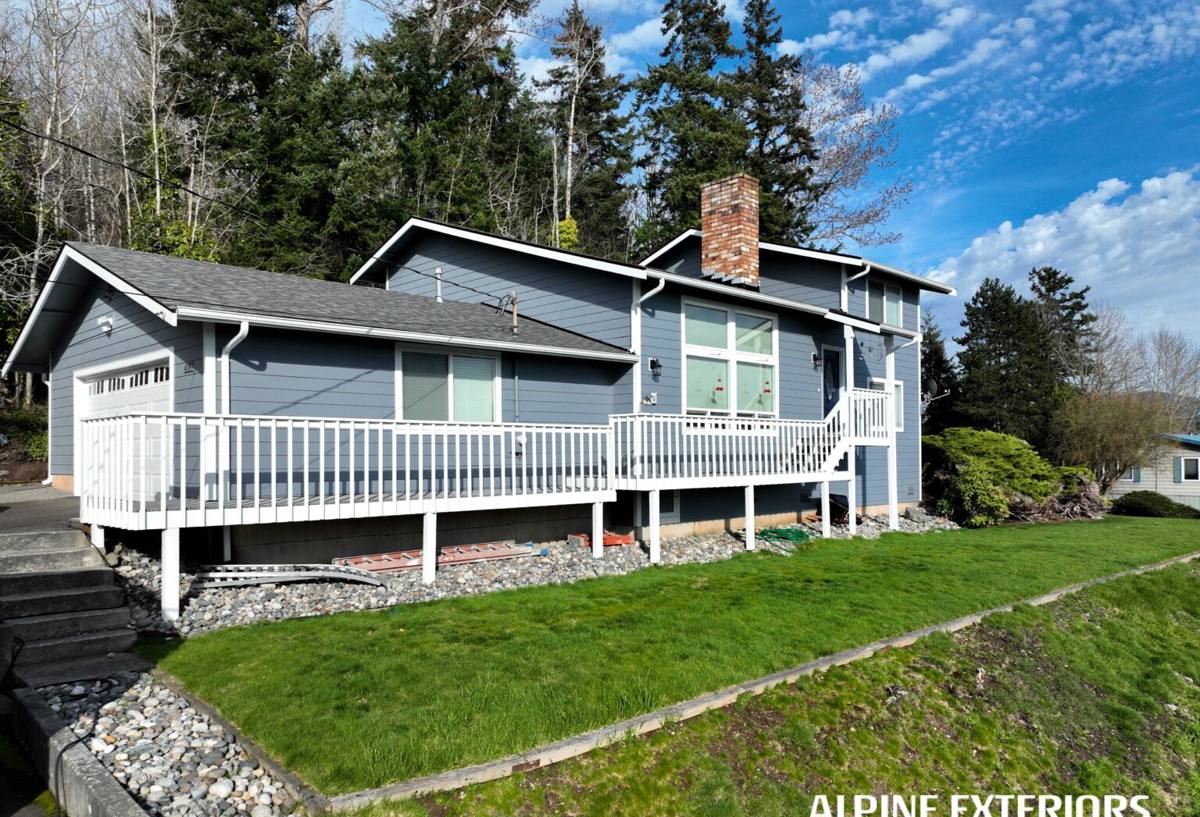
Why Safety Harbor Roofs Take Extra Punishment
A few things stack up here that don't apply the same way further from the coast:
- Hurricane-force and tropical-storm-force winds off Tampa Bay put uplift pressure on shingle edges, ridge caps, and flashing — the parts of a roof most likely to fail first.
- Wind-driven rain doesn't behave like a normal rainstorm. It gets pushed sideways and upward under shingles, through nail penetrations, and around flashing that would keep out a straight-down rain just fine.
- Intense, near year-round UV breaks down asphalt shingle oils and cooks sealant strips brittle, which is exactly what lets wind get underneath a shingle in the first place.
- Salt air off the bay accelerates corrosion on exposed nail heads, flashing, vents, and any metal roofing components — corrosion that's easy to miss from the ground.
None of these forces act alone. A roof that's been slowly UV-brittled all summer is far more vulnerable when a named storm's wind gets under the shingle tabs in the fall. That's why storm damage repair in Safety Harbor isn't just "patch what blew off" — it's understanding what condition the roof was already in before the storm hit.
What Storm Damage Actually Looks Like
Homeowners often expect storm damage to be obvious — missing shingles scattered across the yard. Sometimes it is. More often, it's subtler:
Wind Damage
Lifted or creased shingle tabs, shingles with broken or failed sealant strips (they look intact but aren't bonded down anymore), and torn or missing ridge cap shingles along the roof's peak, which is the highest-pressure zone in any wind event.
Wind-Driven Rain Intrusion
Water pushed up under shingle edges or through vent boots, chimney flashing, and skylight curbs — often with no missing shingles at all. This is the damage that shows up as a ceiling stain days or weeks after a storm, not during it.
Impact Damage
Bruising or granule loss from wind-thrown debris — branches, palm fronds, loose gutters from neighboring properties. Granule loss exposes the asphalt mat underneath to direct UV, which shortens the life of that section of roof even if it never leaks.
Flashing and Penetration Damage
Bent, lifted, or corroded flashing around chimneys, walls, and roof penetrations. Flashing failures are one of the most common sources of storm-related leaks and one of the easiest things for an inexperienced eye to miss on a quick look from the ground or a ladder.
Why Acting Fast After a Storm Matters
A damaged roof doesn't sit still and wait for a convenient time to get fixed. Every rain event after the storm pushes more water into exposed underlayment and decking, and Florida's humidity means trapped moisture starts supporting mold and wood rot fast. What starts as a repairable shingle and flashing issue can turn into a decking replacement job if it sits too long.
There's also an insurance timing element. Most policies require damage to be reported within a specific window, and adjusters weigh documentation of when the damage occurred and how it was mitigated in the meantime. A roof left uncovered and unaddressed after a storm can complicate a claim, even when the original damage was clearly storm-caused.
Our Storm Damage Repair Process
We keep this process the same every time, because consistency is what prevents missed damage and repeat leaks.
1. Inspection
We walk the full roof — not just the area over the reported leak — because wind damage rarely stays confined to one spot. We check shingles, ridge, flashing, vents, and penetrations, and we document what we find with photos.
2. Emergency Mitigation (When Needed)
If there's active exposure, we get a tarp or temporary covering on the affected area to stop water intrusion before it gets worse. This step also creates a documented timeline, which matters if you're filing an insurance claim.
3. Honest Repair-vs-Replace Assessment
We tell you plainly whether this is a targeted repair, a partial re-roof of the affected slope, or something bigger — based on the roof's age, remaining material life, and the extent of the damage, not on which answer is more profitable for us.
4. The Repair Itself
Matching shingles as closely as possible, replacing damaged underlayment (not just the visible shingles on top of it), correcting flashing rather than just re-sealing it, and re-securing everything to current Florida Building Code wind and fastening standards — because a repair that doesn't meet code wind resistance is a repair that fails again in the next storm.
5. Documentation and Insurance Support
We provide the photo documentation and scope of work you need for your insurance claim, and we're available to speak with your adjuster about what we found and why.
Repair vs. Replacement: How We Decide
This is the question every homeowner actually wants answered, and it depends on more than just how bad the visible damage looks.
| Factor | Favors Repair | Favors Replacement |
|---|---|---|
| Roof age | Under 10-12 years, good remaining shingle life | Near or past the shingle's rated lifespan |
| Extent of damage | Localized to one slope or a small area | Widespread across multiple slopes |
| Underlying decking | Dry, solid, no rot found | Soft spots, water staining, or rot present |
| Shingle match availability | Close match available for a clean repair | Discontinued or badly weathered existing shingles |
| Prior storm history | First significant damage event | Repeated patch-and-leak cycle over several storms |
When a roof is a genuine borderline case, we'll say so and lay out both options with real numbers, rather than steering you toward the bigger job by default.
What a Correct Repair Actually Requires
Not all storm repairs are equal, and a lot of the difference is invisible once the work is done. A correct repair means:
- Removing and replacing damaged underlayment, not just laying new shingles over compromised layers underneath
- Reflashing — not just resealing — chimneys, walls, and penetrations where corrosion or bending has occurred
- Matching nailing patterns to current wind-resistance requirements, not just however the old shingles happened to be installed
- Checking and correcting ventilation at the repair area, since trapped attic moisture undermines even a well-done shingle repair
- Verifying the repair ties in cleanly with surrounding shingles so it doesn't become the next weak point in the next storm
A repair that skips any of these to save time on labor tends to look fine for a season and then fail at the next wind event — which is exactly the pattern that leads homeowners to call three different contractors over three different storms.
Signs Your Safety Harbor Roof Needs a Post-Storm Inspection
- Granules collecting in gutters or at downspout outlets after a storm
- Any ceiling stain, even a small one, appearing in the days after wind or heavy rain
- Visible shingle tabs that look lifted, curled, or out of alignment from the street
- Missing or dented ridge cap shingles along the roof peak
- Bent or visibly displaced flashing around chimneys or roof penetrations
- A musty smell in an upstairs room or attic space after a storm
Any one of these is worth a professional look. Roof damage from wind and wind-driven rain is often worse underneath than it appears from the ground, and the cost of an inspection is small compared to the cost of a slow leak that's been running into decking for weeks.
Why Hire a Crew That Already Works Safety Harbor
Storm damage repair isn't generic work. A crew that regularly works Safety Harbor and the surrounding Pinellas County area knows the local permitting process, understands how the bay's wind exposure and salt air typically show up as damage patterns, and can move fast when a storm has just come through and everyone in the area is trying to get on a roofer's schedule at the same time. That local familiarity shows up in small but real ways — knowing which materials hold up on bay-exposed roofs, matching shingles for homes built during a particular local development period, and being reachable for a follow-up if something needs a second look after the next storm rolls through.
Get a Free, No-Pressure Estimate
If your Safety Harbor roof has been through a recent storm, or you just want an honest assessment before the next one arrives, we're happy to take a look and tell you plainly what we find — repair, replacement, or nothing urgent at all. Use the form below to request a free estimate.