 Largo Siding
 Storm Damage Roof Repair for Palm Harbor Homes
Palm Harbor sits close enough to open water that its roofs take on a specific set of stresses most inland Florida communities don't see at the same intensity. Hurricane-force wind events push rain sideways and up under roofing materials that were only ever designed to shed water moving downward. Between storms, intense, nearly year-round UV bakes and dries out sealants, flashing cement, and shingle granules. Add in the corrosive effect of salt-laden air on exposed fasteners and metal, and you get a roof that ages faster and fails in different ways than the same roof would inland or in a milder climate.
Storm damage repair isn't just patching whatever's visibly broken after a bad weather event. Done correctly, it means finding every place wind and water actually got in, understanding why the roof failed there, and repairing it in a way that holds up the next time a storm comes through — which, in this part of Pinellas County, is a matter of when, not if.
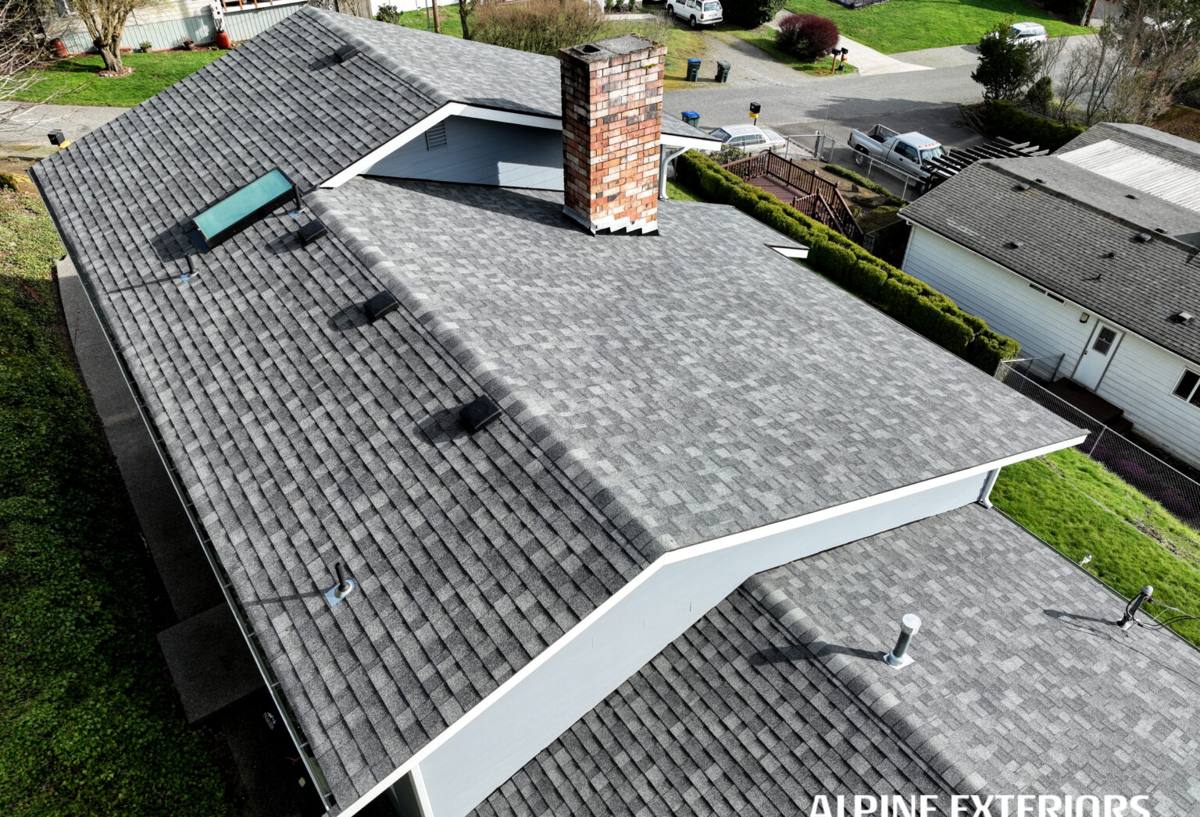
What Storm Damage Actually Looks Like on a Palm Harbor Roof
Not all storm damage is obvious from the ground, and not everything that looks dramatic is actually the most serious problem. Knowing what to look for — and what it usually means — helps you make a faster, better-informed decision about repair.
Wind and Uplift Damage
Sustained high winds get under shingle or tile edges and lift them, breaking the seal that keeps them flat against the roof deck. Sometimes that shows up as a shingle torn off entirely and sitting in the yard. More often it's subtler: shingles that are creased, lifted at a corner, or no longer lying flush, which leaves the roof vulnerable to the next round of wind and rain even though nothing looks obviously missing.
Water Intrusion Signs
Wind-driven rain during a storm gets forced sideways and upward into gaps that straight-down rain would never reach — lifted shingle tabs, compromised flashing at valleys and penetrations, or seams around chimneys and skylights. The damage often doesn't announce itself right away. A ceiling stain, a musty smell in the attic, or a damp spot on an interior wall can show up days or weeks after the storm that actually caused it.
Granule Loss and UV-Weakened Materials
Palm Harbor's sun exposure runs strong nearly all year, which means shingles here are often already somewhat brittle and granule-thin before a storm ever hits. A wind event can knock loose granules that were already loosely adhered, or crack sealant strips that had already gone stiff from UV exposure. That combination is part of why two roofs that took the same storm can come out of it in very different condition.
Why This Isn't a Job for Generic Repairs
After a significant storm, it's common to see out-of-town crews going door to door offering fast repairs at low prices. The problem isn't necessarily the price — it's that a rushed, one-time repair on a roof that isn't going to be revisited tends to miss exactly the kind of underlying damage that causes a second, more expensive failure a year or two later. A storm repair done right treats the visible damage as a starting point for inspection, not the entire scope of the job.
Full Roof Inspection Before Any Repair Begins
We inspect the whole roof, not just the section that looks damaged from the ground. Wind doesn't confine itself neatly to one slope, and a roof that lost shingles on one face has often taken lifting or seal damage on adjacent slopes that isn't visible without getting up there.
Matching Materials and Proper Flashing Integration
Repairs need to tie into the existing roof correctly — matching shingle profile and color where possible, and making sure any disturbed flashing at valleys, walls, or penetrations gets re-integrated with the underlayment rather than just caulked over. A patch that isn't properly woven into the surrounding roofing is often where the next leak starts.
Repair vs. Full Replacement
Not every storm-damaged roof needs to be replaced, and not every roof can be reasonably patched. The honest answer depends on the roof's age, how widespread the damage is, and whether the underlying roofing material has enough life left to make a repair a sound investment rather than a short-term fix on a roof that's due for replacement anyway. We'll tell you which situation you're actually in.
Comparing Storm Repair Options
| Approach | What It Involves | Best Fit |
|---|---|---|
| Emergency tarp-over | Temporary waterproof covering to stop active leaking immediately | Active water intrusion where a full repair can't happen the same day |
| Section repair | Removing and replacing damaged shingles, underlayment, and flashing in the affected area | Localized damage on an otherwise sound, reasonably recent roof |
| Full roof replacement | Complete tear-off and new roofing system installed to current wind-load standards | Widespread damage, an aging roof nearing the end of its service life, or repeated storm exposure over the years |
An honest inspection should tell you which of these actually fits your roof, along with why — not just default to whichever option is easiest to sell.
Cost Factors Worth Understanding
| Factor | What It Affects |
|---|---|
| Extent of wind and water damage | Whether the job is a targeted repair or a full replacement |
| Roof age and remaining material life | Whether a repair is a sound investment or a short-term fix |
| Underlying deck condition | Whether hidden rot or moisture damage needs to be addressed before new roofing goes on |
| Flashing scope | How thoroughly valleys, penetrations, and wall transitions are repaired, not just patched |
| Insurance documentation needs | Whether the job requires detailed photo documentation and a written scope for a claim |
Two bids for the "same" repair can differ significantly in price because they're often not actually covering the same scope of work. A written estimate that breaks out these factors is worth far more than a single lump-sum number.
How Our Process Works
- In-person inspection: We get on the roof and check the full surface, not just the section that's visibly damaged, and document what we find with photos.
- Honest assessment: We tell you plainly whether you're looking at a repair, a partial re-roof, or a full replacement, and why.
- Written estimate: You get an itemized scope covering materials, flashing work, and any deck repair needed — documentation you can also use for an insurance claim if applicable.
- Repair or replacement: Work is done to manufacturer specification, with particular attention to flashing and fastening at the points most likely to fail again under wind load.
- Final walkthrough: We review the completed work with you and do a full site cleanup before calling the job done.
Why Hiring a Crew That Already Works Palm Harbor Matters
A crew that regularly works roofs in Palm Harbor and the surrounding Largo area already knows how salt air corrodes underspecified fasteners over a few seasons, how wind-driven rain finds its way in through flashing that looks fine but isn't properly integrated, and which roof orientations and roof ages tend to take the worst of a storm. That local, repeated experience shows up in the small decisions made on every job — decisions a crew passing through the area after a storm has no reason to think about.
It also matters after the work is done. A workmanship warranty only means something if the company behind it is still around and reachable a year or two later, which is exactly the situation storm-chasing outfits are built to avoid.
A Practical Checklist Before You Hire a Storm Repair Contractor
- Do they inspect the entire roof, not just the visibly damaged section?
- Does the estimate specify materials and flashing scope, not just "storm repair"?
- Do they carry current Florida contractor licensing and liability insurance?
- Can they show recent, verifiable work in or around Palm Harbor and Pinellas County?
- Are they still going to be a local, reachable business next hurricane season?
- Will they provide documentation suitable for an insurance claim if you need it?
Signs Your Palm Harbor Roof Needs a Storm Inspection
Storm damage doesn't always announce itself the day after a bad weather event. It's worth having a roof checked if you notice:
- Missing, cracked, or visibly lifted shingles after high winds
- Granules collecting in gutters or downspouts following a storm
- Water stains on ceilings or attic surfaces that weren't there before
- Soft or discolored spots on interior walls near the roofline
- Visible damage or dents on gutters, vents, or other roof-mounted fixtures
None of these guarantee major damage on their own, but any of them is a reasonable reason to have the roof looked at before the next storm rather than after it causes a bigger problem.
If your Palm Harbor roof has taken storm damage, or you'd just like an honest look before hurricane season puts it to the test, we're glad to come out and inspect it. Use the form below to request a free, no-pressure estimate.