 Largo Siding
 Decks on a Barrier Island Are a Different Build
Indian Shores sits on the barrier island chain along Pinellas County's Gulf coast, just west of Largo and the surrounding mainland communities. A deck built here lives in a harsher environment than one a few miles inland: it takes direct salt air off the water, close to year-round UV exposure, wind-driven rain during storms, and periodic hurricane-force wind loads. A deck that would hold up fine in a shaded inland yard can start showing corrosion, fastener failure, and finish breakdown within a couple of seasons out here if it wasn't built with that exposure in mind.
We treat a custom deck for an Indian Shores property as a coastal structure first and a backyard amenity second. That changes the material choices, the hardware, the framing details, and even how we sequence the build. None of it is complicated once you know what to look for — but it does mean a generic deck package isn't the right starting point.
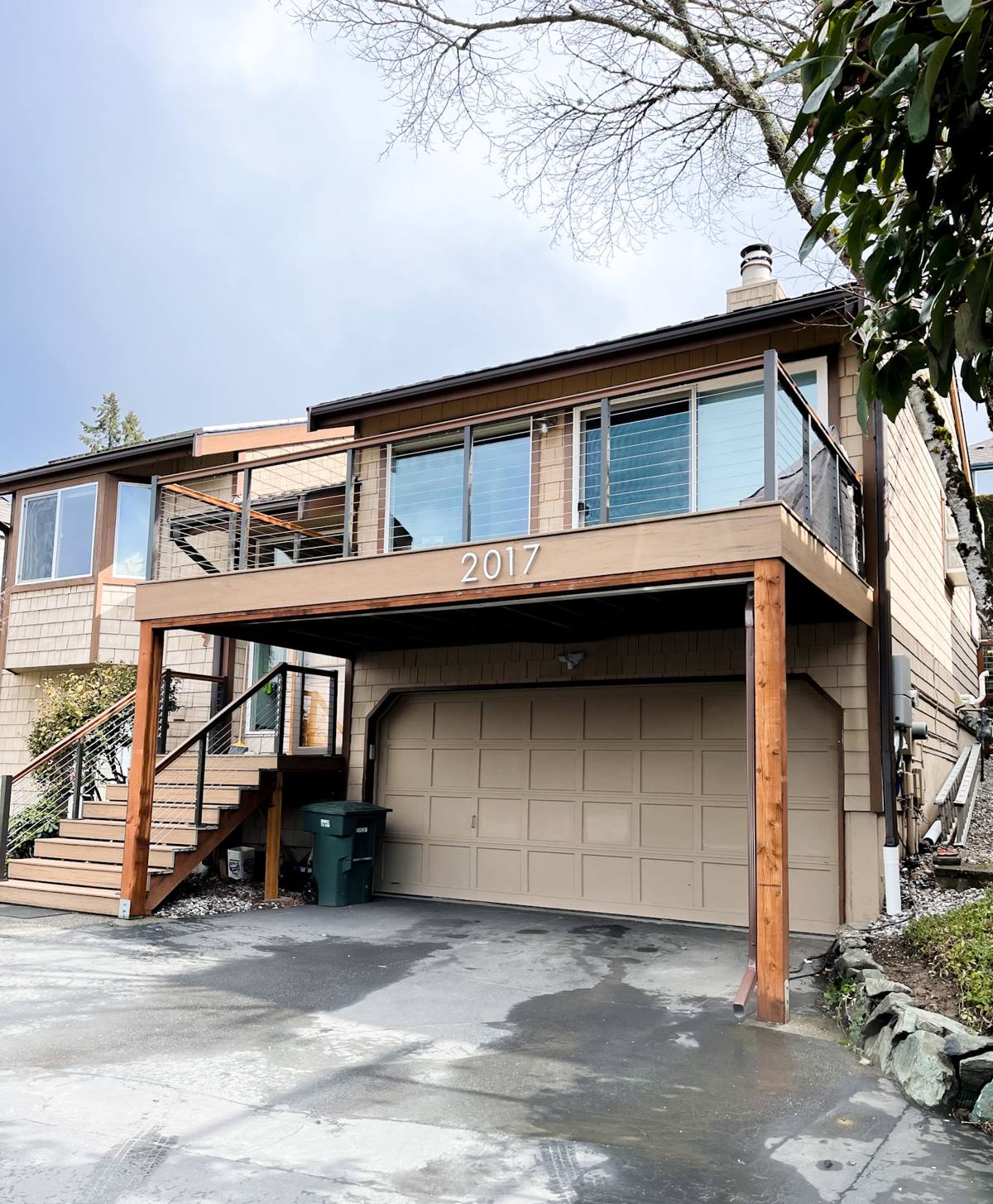
What Salt Air, UV, and Wind-Driven Rain Actually Do to a Deck
Salt air carries fine chloride particles that settle on every exposed surface, including metal fasteners, connectors, and railing hardware. Left unaddressed, that accelerates corrosion far faster than it would happen inland — and once a fastener starts rusting, it weakens from the inside before it ever shows on the surface. Intense, near-constant Florida UV breaks down the surface fibers of wood decking and fades or chalks lower-grade composite and PVC products over time, even ones rated for sun exposure. Wind-driven rain during storms pushes moisture sideways and upward into places a deck's design normally assumes will stay dry — ledger connections, post bases, and the undersides of rail caps — which is where rot and hidden corrosion tend to start.
None of this means a deck can't be built to last on the coast. It means the material and hardware choices, and the way the frame is detailed, have to account for exposure a standard build spec doesn't plan for.
Choosing a Decking Material for Salt Air and Sun
There's no single "best" decking material for every homeowner — it comes down to how much maintenance you want to take on versus what you're willing to spend upfront. Here's how the common options actually compare under Gulf-coast conditions:
| Material | Salt/UV Resistance | Maintenance | Typical Lifespan |
|---|---|---|---|
| Pressure-treated pine | Fair — needs a protective finish | Annual cleaning and re-sealing | 10-15 years with upkeep |
| Tropical hardwood (e.g., ipe) | Good — dense, naturally durable | Periodic oiling to maintain color | 25+ years |
| Capped composite | Very good — factory-sealed cap resists fading and moisture | Occasional washing | 25-30 years |
| Cellular PVC | Excellent — non-porous, won't absorb salt moisture | Occasional washing | 30+ years |
We're honest with homeowners about trade-offs rather than pushing one product. Pressure-treated wood is the most affordable entry point, but on a barrier island it needs real upkeep to stay ahead of sun and moisture damage. Uncapped or budget composite boards can look great initially but some fade or absorb moisture at cut ends faster than a capped product — that's a maintenance and warranty consideration, not a reason to avoid composite altogether. Capped composite and PVC cost more upfront but are the lowest-maintenance path for owners who want to spend their weekends on the deck instead of maintaining it.
Rail Systems and Balusters
Railings take as much salt exposure as decking, often more since they're vertical and catch wind-driven spray directly. Aluminum and PVC rail systems hold up well with minimal upkeep; painted or powder-coated steel components need a coating rated for coastal exposure, or they'll show surface rust well before the deck itself needs attention.
Framing and Fasteners: Where Coastal Decks Actually Fail
Most deck failures we see near the water don't start with the decking boards — they start underneath, in the frame and connectors, where problems go unnoticed until something feels loose or spongy.
Fastener and Hardware Grade
Standard galvanized fasteners and joist hangers are built for general use, not sustained salt exposure. On an Indian Shores build we spec stainless steel or heavy-duty coated fasteners rated for coastal and treated-lumber contact, along with corrosion-resistant structural connectors at every load point — post bases, joist hangers, and hurricane ties. It costs more than a generic hardware package, but it's the difference between hardware that's still solid in fifteen years and hardware that's failing quietly by year five.
Ledger Attachment and Flashing
Where the deck ties into the house is the single most common source of hidden water damage on any deck, coastal or not — and wind-driven rain makes it worse here. Proper flashing behind the ledger board, with the right fastener spacing and corrosion-resistant lags, keeps water from working its way into the house framing over time.
Wind and Structural Design for Storm Country
Pinellas County's barrier island properties are built to withstand serious wind events, and a deck is a structural extension of the house — it needs the same discipline. That means adequately sized footings for the local soil conditions, proper post-to-beam and beam-to-joist connections rated for uplift (not just gravity load), and bracing that keeps the structure rigid under lateral wind rather than just vertical weight. It also means being thoughtful about elevated decks and how they tie back to the house structurally, since a poorly braced elevated deck is one of the first things to rack or loosen in a high-wind event.
Permitting and Flood Zone Considerations
Barrier island properties in and around Indian Shores often fall within FEMA-designated flood zones, which can affect how a deck is engineered, how it attaches to the house, and what documentation the permitting process requires. Largo and the surrounding jurisdictions require permits for most new deck construction and many significant deck rebuilds. We handle the permitting process as part of the job — pulling the right permit, meeting inspection requirements, and making sure the finished structure is documented correctly, which matters both for your safety and for insurance and resale down the road.
Our Process for Indian Shores Deck Projects
We keep the process straightforward and communicate clearly at each stage:
- On-site consultation: We walk the property, look at drainage, sun exposure, wind exposure, and how the deck will connect to the house, and talk through what you actually want to use the space for.
- Design and material selection: We lay out layout options and go through material trade-offs honestly — cost, maintenance, and expected lifespan — so you're choosing with full information.
- Permitting: We prepare and submit the permit package and handle the required inspections.
- Construction: Framing first, with all coastal-rated hardware and connections, then decking, railing, and finish work.
- Final walkthrough: We go over the finished deck with you, cover basic care for whatever material you chose, and make sure everything's been inspected and closed out properly.
Keeping a Coastal Deck Looking Good Year After Year
Whatever material you choose, a little routine care goes a long way toward protecting the investment against Gulf coast conditions:
- Rinse salt residue off decking and railings with fresh water periodically, especially after storms with onshore wind
- Inspect fastener heads and visible hardware once or twice a year for early rust staining
- Keep gutters and downspouts near the deck clear so runoff doesn't pool against ledger or framing connections
- Re-seal or re-oil wood decking on the schedule recommended for that specific wood species
- Check railing posts and stair connections for looseness after major storm events
- Trim back landscaping that traps moisture against the underside of the deck
Catching a small issue — a rust spot, a slightly loose baluster — early is far cheaper than waiting until it becomes a structural repair.
Why Hiring a Crew That Already Works in Indian Shores Matters
A contractor who mostly builds inland can still frame a deck correctly by the book, but coastal work has a learning curve that only comes from repeatedly seeing how salt air, sun, and storms actually treat a structure over years, not just at the final walkthrough. Knowing which fastener grades hold up, which flashing details actually keep water out under wind-driven rain, and how local permitting and flood zone requirements apply to barrier island properties isn't something you get right by guessing. We work throughout Largo and the surrounding Pinellas County coastal communities, including Indian Shores, and we build every deck to the same coastal standard regardless of budget tier.
If you're planning a new deck or replacing an aging one on your Indian Shores property, we're happy to come take a look and talk through honest options for your space and budget. Use the form below to request a free, no-pressure estimate.