 Largo Siding
 Building New on Indian Shores? The Windows Have to Work Harder Here
Indian Shores sits right on the Gulf, and homes going up there face a different set of demands than a house a few miles inland in Largo proper. When you're installing windows into new construction on the barrier island, you're not just picking a style and a color — you're choosing glazing, framing, and installation details that have to hold up against hurricane-force wind loads, salt-laden air, near-constant UV exposure, and wind-driven rain that finds every gap a lesser installation leaves behind. Get it right during new construction and you won't touch these windows again for decades. Get it wrong, and you're looking at leaks, seal failures, and corrosion years before the windows should have needed attention.
We're a Largo-based crew, and Indian Shores is part of our regular service area. That matters more than it sounds like it should — coastal window work isn't identical to inland work, and a crew that treats it that way tends to leave gaps in the details that only show up after the first big storm or after a few summers of Gulf sun.
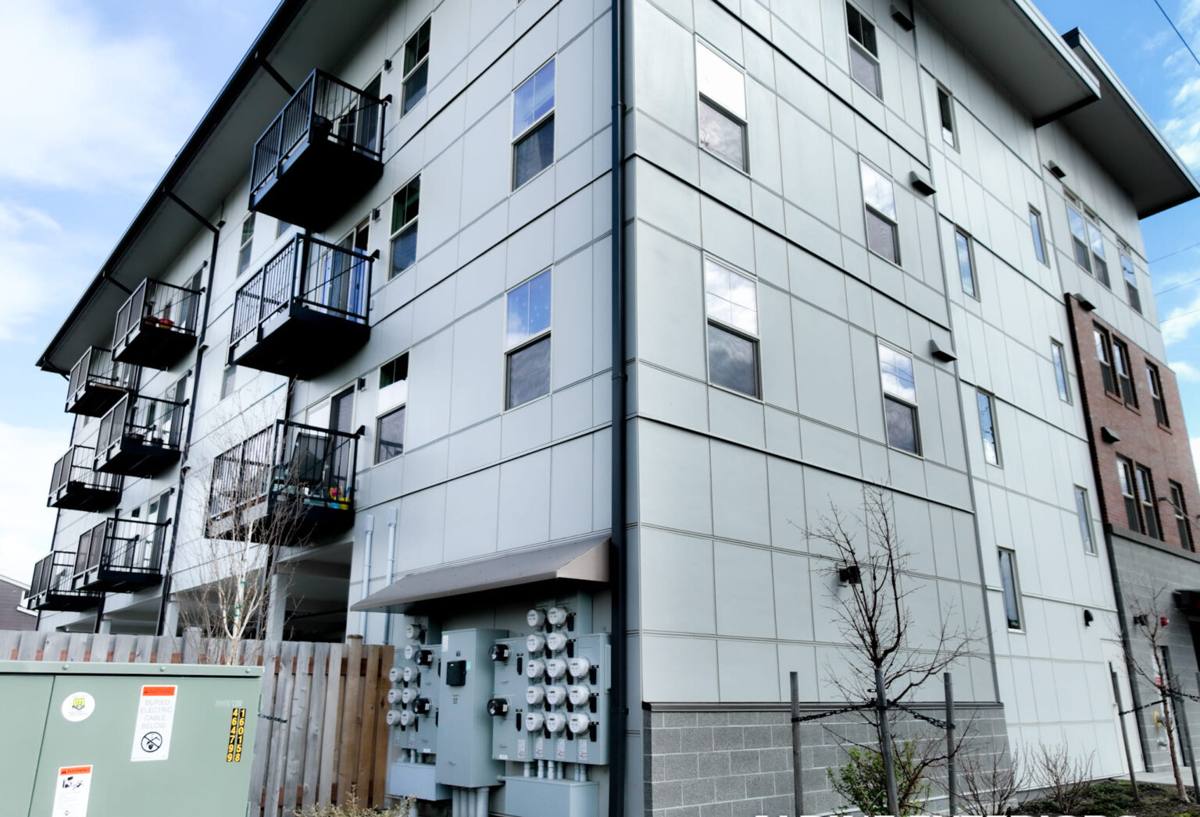
What Coastal Pinellas County Construction Demands From New Windows
Wind and Wind-Borne Debris
Pinellas County's coastal zones fall under Florida Building Code wind-borne debris requirements, which is a step above what inland Florida construction typically requires. For new construction on Indian Shores, that generally means windows rated for higher design pressures and, in most cases, impact-rated glazing or an approved protective system — not because it's a nice-to-have, but because it's what code requires this close to the water. We size and spec every opening to the actual pressures the structure will see, not a generic default.
Salt Air and Corrosion
Salt air is relentless on hardware, fasteners, and frame components. Standard interior-grade hardware corrodes faster here than almost anywhere else in the county. New construction is the one chance to spec corrosion-resistant fasteners and frame materials from day one, instead of retrofitting after pitting and staining show up.
UV and Heat
Year-round Florida sun degrades seals, gaskets, and low-quality vinyl faster on the coast than inland, where there's at least some tree cover and slightly less direct exposure. Glazing packages with real UV protection aren't just about the utility bill — they're about the window still sealing properly ten years from now.
Wind-Driven Rain
Gulf-front storms don't just bring wind — they push rain sideways into every seam and joint. On new construction, the flashing and sealing details around the rough opening matter as much as the window itself. A great window installed with sloppy flashing will still leak.
What a Correct New-Construction Window Install Actually Involves
New construction gives us an advantage retrofit work doesn't: we're installing into a rough opening before drywall, siding, and finish work close everything up. That means the flashing and sealing can be done correctly the first time, in the right order, with nothing hidden or worked around later.
Our Process
- Review the window schedule and design pressure requirements against the actual plans and elevation before a single unit is ordered
- Confirm rough openings are square, level, and properly sized before installation begins
- Install self-adhered flashing membrane at the sill, jambs, and head in the correct shingle-lap sequence so water is always directed outward, never trapped
- Set the window plumb, level, and square, shimmed correctly to avoid frame distortion that leads to premature seal failure
- Fasten per the manufacturer's coastal installation instructions — not a generic inland fastening schedule
- Seal and back-seal per code and manufacturer spec, using sealants rated for sustained UV and salt exposure
- Verify operation, drainage, and weep paths before final trim and finish work covers the opening
Every one of those steps is easy to skip and hard to inspect once the house is finished. That's why sequencing matters as much as the products themselves.
Choosing the Right Window for a Gulf-Front Build
Frame Material
Vinyl, aluminum, and fiberglass all show up on Indian Shores builds, and each has real trade-offs in a coastal environment. Vinyl is affordable and low-maintenance but can perform inconsistently in very high heat and UV if it's a lower-grade product. Aluminum is strong and holds tight tolerances for impact-rated systems, but it conducts heat and needs a good thermal break. Fiberglass costs more up front but resists warping and UV degradation better than most vinyl over a long ownership horizon. We spec based on the specific opening, the budget, and how long the homeowner plans to own the property — not a one-size answer.
Glazing and Impact Options
For coastal new construction, impact-rated glazing is usually the simplest path to code compliance, since it doesn't require separate shutters or panels to satisfy wind-borne debris protection. Non-impact windows paired with an approved shutter system are still a valid path, but they add a maintenance and readiness burden every storm season — someone has to actually deploy the protection before the storm arrives.
| Factor | Impact-Rated Glazing | Standard Glazing + Shutters |
|---|---|---|
| Storm prep effort | None — always protected | Shutters must be installed before each storm |
| Upfront cost | Higher per window | Lower window cost, added shutter cost |
| Daily appearance | Unchanged, no visible hardware | Shutter tracks/hardware visible year-round |
| UV and noise performance | Typically better due to laminated glass | Standard glass performance |
| Long-term maintenance | Seals and glazing only | Shutters, tracks, and hardware also need upkeep |
Why a Largo-Based Crew That Knows Indian Shores Matters
Indian Shores is a small, specific environment — barrier island exposure, tight lots, and construction that has to satisfy coastal permitting and inspection standards. A crew that mostly works inland Pinellas County jobs and occasionally takes a coastal project can miss details that a crew doing this work regularly wouldn't: the right flashing sequence for a Gulf-facing elevation, the fastener spec that actually holds up in salt air, or how local building officials expect impact documentation to be presented at inspection.
We're based in Largo and work Indian Shores as part of our regular coverage area, not as an occasional trip out to the coast. That means we already know the inspection expectations, we already carry the right hardware for salt exposure, and we're not learning coastal-specific details on the homeowner's project.
Permitting and Inspection
New-construction window installs on Indian Shores go through Pinellas County or local municipal permitting and inspection, and impact-rated systems typically require product approval documentation (Florida Product Approval or Miami-Dade NOA references) to be available for the inspector. We handle that documentation as a standard part of the job rather than something the homeowner or general contractor has to chase down separately.
Common Mistakes We See on Coastal New Construction
- Ordering windows to a generic design pressure rating instead of the rating the specific elevation and opening actually requires
- Skipping or shortcutting the flashing sequence because "it's new construction, it'll be covered up anyway"
- Using standard interior-grade fasteners and hardware that corrode within a few years of salt exposure
- Failing to confirm rough opening sizing against actual window dimensions before the walls are finished, leading to shimming problems that stress the frame
- Not keeping impact-rating documentation on hand for inspection, which can delay a certificate of occupancy
None of these are exotic failures — they're the ordinary result of treating a coastal install like an inland one.
Maintenance Expectations Once the Windows Are In
Even a correctly installed coastal window benefits from some basic upkeep. Rinsing salt residue off frames and glass periodically, checking weep holes for debris, and having seals and caulking inspected every few years will extend the service life of the installation well beyond what a "set it and forget it" approach gets you. We're happy to walk a homeowner through what to check and how often, specific to the products installed on their build.
What This Means for Your Indian Shores Build
New construction is the only point in a home's life where window installation happens with everything open and accessible. Whatever gets sealed, flashed, and fastened at this stage is what the house lives with for the next 20-plus years. On the Gulf side of Pinellas County, that margin for error is smaller than it is inland — the wind loads are higher, the salt exposure is constant, and the sun doesn't let up. Getting the spec, the sequencing, and the installation right the first time is what separates windows that perform for decades from windows that start showing problems in the first few storm seasons.
If you're building on Indian Shores and want a straightforward look at what your window openings actually require, we're glad to put together a free, no-pressure estimate — no obligation, just a clear read on what the job needs. The form below is the easiest way to get started.