 Largo Siding
 Siding Installation Built for a Barrier Island Climate
Indian Shores sits on the narrow strip of land between the Gulf of Mexico and the Intracoastal Waterway in Pinellas County, just a short drive from our crews in Largo. Homes here don't face the same exposure as a house a few miles inland — they take on salt-laden air from two directions, open water views mean open exposure to wind, and there's rarely a tree line or a neighboring structure to soften what the weather throws at the exterior. Siding that would hold up fine in a sheltered subdivision can fail years early on a barrier island lot. That's the environment we design every installation around.
This page covers what siding installation actually looks like when it's done right for an Indian Shores property — the material choice, the water management details, the fastening, and the reasons a crew that already works this stretch of coastline handles it differently than a general contractor passing through.
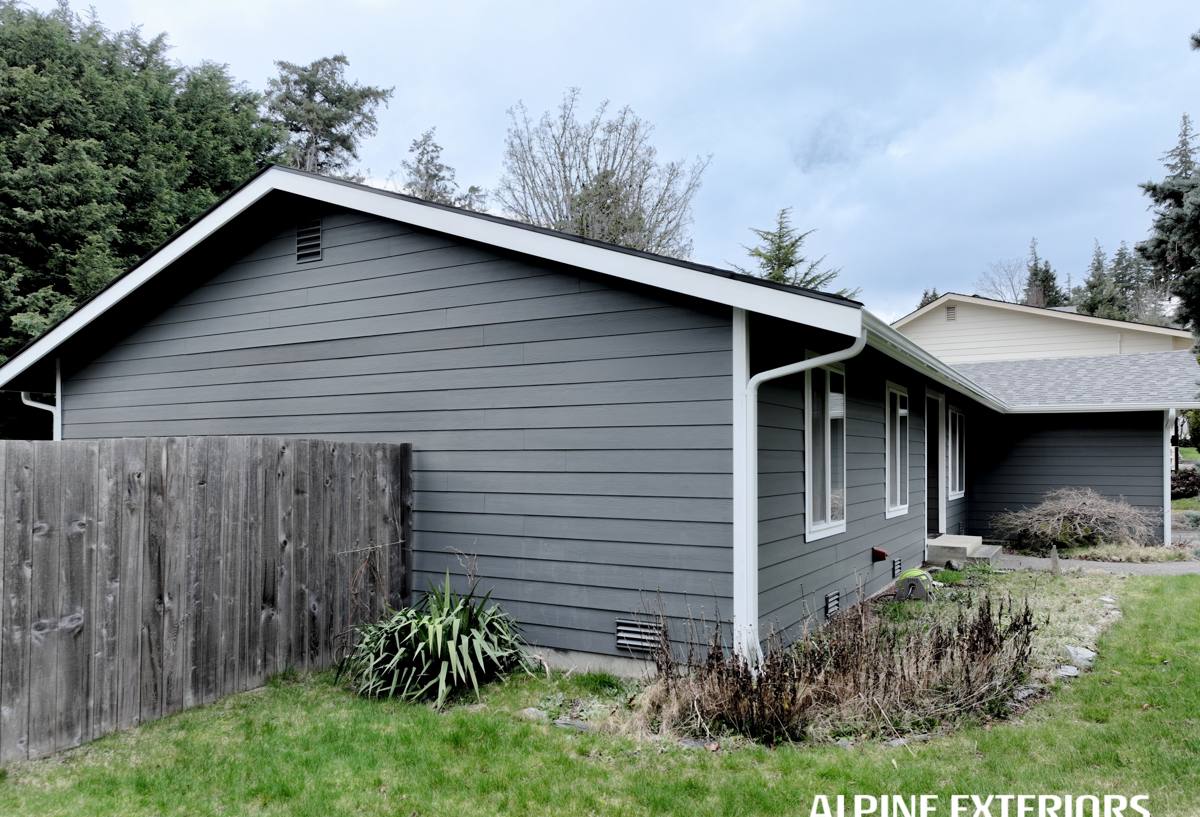
What the Gulf Actually Does to Siding Here
Salt air and corrosion
Airborne salt doesn't just sit on the surface of a wall — it works into fasteners, seams, and any exposed wood or metal component over time. On a barrier island, that exposure is constant, not occasional. Siding materials, trim, and fasteners all need to be selected with corrosion resistance in mind, not just aesthetics.
Wind-driven rain
Coastal storms don't just drop rain straight down — wind pushes it sideways, under laps, around trim, and into any gap in the water-resistive barrier. A siding job that looks fine from the curb can still be letting water behind the wall if the flashing and lap details weren't done correctly. This is the single most common cause of hidden rot we find behind older siding on the barrier islands.
Hurricane-force wind loads
Pinellas County's coastal properties fall under Florida Building Code wind-borne debris provisions, and a barrier island location like Indian Shores sees higher sustained wind exposure than an inland lot. Siding, fasteners, and the underlying attachment all have to be installed to hold under real wind loads, not just look good on a calm day.
Year-round UV
Florida's sun doesn't take a season off. Constant UV exposure breaks down paint film, fades color, and dries out anything not engineered to resist it — which is why factory-applied, baked-on finishes hold up so much better here than field-applied paint.
Why We Install Only James Hardie Fiber Cement
Largo Siding Company installs one siding system: James Hardie fiber cement. We don't install vinyl, LP SmartSide, Cemplank, Allura, or primed wood products, and on a barrier island property that decision matters more than almost anywhere else we work.
Fiber cement is non-combustible and dimensionally stable — it doesn't expand and contract with heat and moisture the way vinyl and engineered wood products do, which matters when a wall is absorbing both direct sun and salt humidity in the same afternoon. James Hardie's HZ5 product line is engineered specifically for humid climate zones like ours, with moisture-resistant formulation intended for exactly this kind of exposure. The ColorPlus finish is baked on at the factory in multiple coats and backed by its own finish warranty, which means the color holds up under UV without the chalking and fading that field-applied paint eventually shows on this coastline. Hardie also carries a strong transferable limited warranty when installed to manufacturer spec — which is the other half of the equation, because the product only performs as well as the installation behind it.
We made this a standard, not a menu of options, because we've seen what happens when the wrong product goes on a coastal wall. Vinyl can warp and become brittle with sustained heat and UV exposure. Engineered wood products depend on an unbroken paint film to keep moisture out, and any gap in that film becomes an entry point in a climate that doesn't give wood siding much room for error. Fiber cement, installed correctly, is what we're willing to put our name behind on a barrier island home.
What a Correct Installation Actually Involves
Water management before the first plank goes up
The siding itself is the last layer, not the only layer. A correct installation starts with an intact water-resistive barrier, properly lapped and taped seams, and flashing at every window, door, and penetration that directs water outward and down instead of behind the wall. On a wind-driven-rain coast, this step determines whether the wall stays dry for the next twenty years or starts rotting from the inside within five.
Fastening and clearances that hold up to wind
James Hardie specifies fastener type, spacing, and embedment for a reason — it's what the wind rating is actually based on. Corrosion-resistant fasteners, correct nailing patterns, and proper clearance from the ground, roofline, and adjacent surfaces all matter more here than they would inland, because both wind load and moisture wicking are more aggressive on an open coastal lot.
Finish work that resists salt and sun
Caulking at joints and trim needs to be a product rated for exterior, coastal use, and it needs to be applied at the joints Hardie actually specifies — not everywhere, and not nowhere. Over-caulking traps moisture just as reliably as under-caulking lets it in.
Our Installation Process
- On-site assessment — we look at your current siding, sheathing condition, existing water damage, and how exposed the specific elevations of your home are to prevailing wind and salt spray.
- Product and color selection — choosing the right James Hardie profile and ColorPlus color for your home's style and exposure.
- Removal and substrate check — old siding comes off, and we inspect the sheathing underneath for rot or moisture damage before anything new goes up.
- Water-resistive barrier and flashing — house wrap, seam taping, and flashing at every penetration, done before siding starts.
- Installation to manufacturer spec — correct starter strip, fastening pattern, clearances, and joint treatment, following James Hardie's published installation requirements so the warranty stays intact.
- Final walkthrough — we go over the finished job with you before we consider it done.
James Hardie vs. Other Siding Options for a Coastal Property
| Factor | James Hardie Fiber Cement | Vinyl | Engineered Wood (e.g. LP SmartSide) |
|---|---|---|---|
| Salt air / humidity behavior | Engineered for humid climate zones (HZ5); dimensionally stable | Can become brittle with sustained heat and UV exposure | Depends on unbroken paint film to resist moisture |
| Wind performance | Rated system when installed to spec | Lighter panels more prone to wind damage in gusts | Solid but panel-dependent moisture entry points |
| Finish / UV resistance | Factory-baked ColorPlus finish, separate finish warranty | Color molded in, but can fade and chalk over time | Field or factory-primed; needs repainting over time |
| Combustibility | Non-combustible | Combustible | Combustible |
| Typical maintenance | Periodic washing, caulk checks, repaint not required for finish life | Low, but limited repair options once damaged | Repainting and joint sealing on a recurring schedule |
Before You Hire a Siding Contractor in Indian Shores, Ask:
- Do they carry manufacturer certification for the product they're installing?
- Will they show you the flashing and water-resistive barrier details before siding goes up, not just the finished exterior?
- Are they using the fastener type and pattern the manufacturer specifies for wind performance?
- Do they have recent experience on barrier island or immediate-coastal properties, not just inland work?
- What does the warranty actually cover — material, finish, and labor — and who backs it?
- Can they explain why they recommend one siding product over another for your specific exposure?
Why Hiring a Crew That Already Works Indian Shores Matters
A contractor who mostly works inland subdivisions doesn't run into wind-driven rain and constant salt exposure often enough to build habits around it. On the barrier islands, those habits show up in small decisions — how tight the flashing laps are, which caulk gets used where, how fasteners are spaced near corners and edges — that don't show up as a problem on day one but decide whether the siding is still performing in year fifteen.
Working this coastline regularly also means we're familiar with the permitting realities of building on or near the water in Pinellas County, including the fact that many barrier island properties fall within areas subject to additional coastal construction review. We handle that as part of the job rather than treating it as a surprise mid-project.
Caring for Your New Siding After Installation
James Hardie fiber cement is low-maintenance, not no-maintenance, and that's especially true this close to the Gulf. A periodic rinse to knock off accumulated salt residue, an annual look at caulked joints and trim, and prompt attention to anything that looks like it's holding water will keep the system performing the way it's designed to. None of this is difficult, but on a barrier island lot it's worth doing on a schedule rather than waiting until something looks obviously wrong.
If your Indian Shores home needs new siding or you're dealing with damage from age, moisture, or storm exposure, we'd be glad to take a look. Reach out for a free, no-pressure estimate using the form below — we'll walk the property, talk through what your home actually needs, and give you a straight answer.