 Largo Siding
 Roof Repair Built for Pinellas Park's Climate
Pinellas Park sits in the middle of a peninsula that takes weather from two directions — Gulf-driven storms rolling in from the west and Tampa Bay humidity settling in from the east. That combination is hard on roofs. Between hurricane-force wind gusts, sun that beats down nearly every day of the year, wind-driven rain that finds every gap in flashing, and salt air that creeps inland and accelerates corrosion on metal components, a roof here ages differently than the same roof would thirty miles inland. We repair roofs across Pinellas County, and Pinellas Park's mix of older ranch homes, mid-century additions, and newer infill construction gives us a steady stream of repair calls that follow predictable patterns tied directly to this climate.
This page covers what roof repair actually means for a Pinellas Park home — what typically fails first, what a correct repair looks like, and how we approach the job so it holds up through the next storm season instead of becoming a recurring expense.
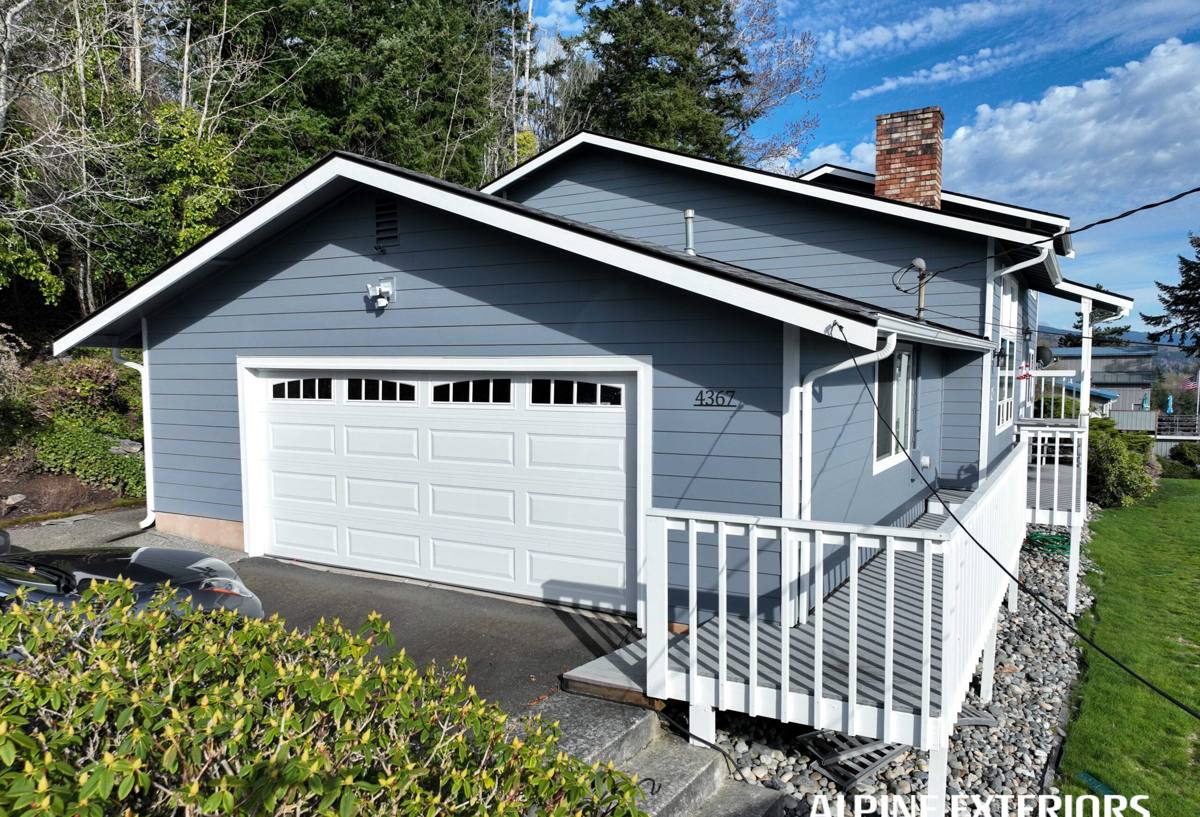
What Pinellas Park Roofs Deal With Year-Round
Wind Uplift and Fastener Fatigue
Florida building code requires roofing systems in this region to be rated for high wind, but rating and reality diverge over time. Every wind event — even ones well below hurricane strength — flexes shingles, tiles, and the fasteners holding them down. Repeated flexing loosens nails, cracks sealant strips, and eventually lets wind get underneath a shingle edge. Once wind gets under one shingle, it can peel back its neighbors during the next storm. Isolated missing or lifted shingles are one of the most common repair calls we get in this area, and they're also one of the easiest to fix correctly if caught early.
UV Breakdown
Central Florida sun is intense and consistent almost every month of the year. UV exposure dries out asphalt shingle granules and oils, making shingles brittle faster than in cooler, cloudier climates. Brittle shingles crack instead of flexing, especially around roof penetrations like vent boots and pipe collars — often the first place a Pinellas Park roof develops a slow leak.
Wind-Driven Rain
Straight-down rain and wind-driven rain behave very differently on a roof. Wind-driven rain gets pushed sideways and upward under laps, flashing edges, and ridge caps that would otherwise shed water fine in calm conditions. This is why leaks in Pinellas Park often show up during or right after a windy storm rather than during ordinary rainfall — the water is finding a path that only opens up under wind pressure.
Salt Air and Corrosion
Pinellas Park isn't directly on the coast, but salt-laden air moves inland across the county, especially with onshore winds. Over years, that salt accelerates corrosion on exposed metal — nail heads, flashing, drip edge, and vent stacks. Corroded fasteners lose holding power, and corroded flashing develops pinholes that let water in long before the metal looks obviously bad from the ground.
Signs a Pinellas Park Roof Needs Repair
- Missing, cracked, or curling shingles, especially after a windy day
- Granules collecting in gutters or at downspout outlets
- Ceiling stains that appear or grow after storms specifically
- Visible daylight or gaps around vent boots, skylights, or chimneys
- Soft or spongy decking felt underfoot in the attic near penetrations
- Rust streaks below metal flashing or exposed fastener heads
- Lifted or cracked ridge cap shingles along the roof's peak
- Musty odor in an attic or upper closet with no obvious source
Any one of these on its own doesn't necessarily mean a full roof replacement is coming — most start as a localized repair. The problem is what happens when they go unaddressed through another storm season.
What a Correct Roof Repair Actually Involves
A roof repair done right isn't just patching what's visible from the ground. It starts with figuring out where water is actually entering, which is not always directly above the stain or drip point — water travels along decking and rafters before it shows itself. Our process on a repair call typically includes:
1. Diagnosis Before Any Repair Work
We inspect the roof surface, flashing points, and penetrations, and where accessible, we check the attic side for water trails, staining, or damp decking. Chasing the actual entry point matters — sealing over a symptom without finding the source means the same leak reappears in six months, often in a different spot on the ceiling.
2. Matching Materials, Not Just Colors
Shingle repairs need to match not just the color but the profile and, where possible, the age-weathering of the existing roof so the patch doesn't stand out and doesn't create a mismatched wear pattern that fails differently than the surrounding shingles.
3. Flashing Gets Real Attention
Most recurring leaks trace back to flashing — around chimneys, skylights, sidewalls, and vent penetrations — rather than the shingle field itself. A repair that only replaces shingles but reuses failing flashing is a repair that will need to be revisited.
4. Fastening for Wind, Not Just Water
Given how much of the damage in this area starts with wind uplift, we fasten repairs to current wind-resistance practices, not just enough to stop the immediate leak. A patch that isn't secured properly becomes the next thing that lifts in a storm.
5. Sealant as a Backup, Not the Fix
Sealant has a place in a proper repair, but it's a supplement to correct flashing and fastening, not a substitute for it. Roofs "fixed" primarily with sealant tend to fail again once the sealant dries out and cracks under UV exposure — which happens faster here than in milder climates.
Repair vs. Replacement: How We Help You Decide
Not every roof problem calls for a full replacement, and not every roof problem should be patched indefinitely either. We look at the age of the roof, how widespread the damage is, and how many prior repairs it's already had.
| Factor | Leans Toward Repair | Leans Toward Replacement |
|---|---|---|
| Roof age | Under 12-15 years, asphalt shingle | Approaching or past expected service life |
| Damage extent | Isolated area, single slope or section | Widespread granule loss, multiple leak points |
| Repair history | First or second repair in this area | Same area repaired repeatedly |
| Decking condition | Solid, no soft spots found | Soft, delaminated, or water-stained decking found |
| Storm damage pattern | Contained to one section | Scattered across the whole roof |
We'll always give you a straight answer on which side of this table your roof falls on, and we won't push a full replacement when a targeted repair will genuinely hold.
Cost Factors for Roof Repair in Pinellas Park
Repair costs vary widely based on scope, so we won't quote a number without seeing the roof — but the main variables that move the price are worth understanding before you call:
- Roof access and pitch — steeper or harder-to-reach roofs take longer to work safely
- Material match — discontinued or uncommon shingle profiles can require sourcing time
- Extent of decking replacement — rot found under the surface adds material and labor
- Flashing scope — a chimney or skylight reflash is more involved than a shingle-only patch
- Number of penetrations involved — vents, pipes, and stacks each need individual attention
Most straightforward, isolated repairs are a modest, well-defined cost. Repairs that uncover decking rot or multiple flashing failures run higher, which is exactly why the diagnosis step matters — it lets us give you an honest scope before work starts, not a surprise mid-project.
Storm Season Timing in Pinellas County
Florida's hurricane season runs June through November, and demand for roof repair in Pinellas Park spikes hard right after any named storm passes through the area. If your roof already has minor issues — a few lifted shingles, aging flashing, a repair from a previous season — those weak points are what fail first in the next wind event. Getting minor repairs handled before storm season, rather than after, is almost always cheaper and faster than waiting in line with everyone else once a storm has already caused damage.
We also recommend a post-storm roof check even when there's no visible leak yet. Wind can loosen shingles or flashing without causing an immediate leak, and that damage sits there quietly until the next rain event pushes water through.
Why a Crew That Already Works Pinellas Park Matters
Roofing conditions vary block by block based on tree cover, sun exposure, and how exposed a property is to prevailing wind. A crew that regularly works in Pinellas Park has a working sense of how local roofs age, which shingle types and flashing details tend to hold up, and which repair shortcuts fail fastest in this specific climate. That local pattern recognition shortens diagnosis time and reduces the chance of a repair that looks fine on day one but fails again by next hurricane season.
We're a Pinellas County-based siding and exterior contractor, and roof repair work in communities like Pinellas Park is a regular part of what we do — not a side service we occasionally get called for. That means we show up already familiar with the building stock and the climate pressures your roof is actually under.
Our Roof Repair Process
- Initial inspection — roof surface, flashing, and attic access where available, to locate the actual source of the problem
- Written scope and estimate — a clear explanation of what's failing, what needs to be done, and why
- Material matching — sourcing shingles, flashing, and underlayment that match or appropriately upgrade the existing roof
- Repair execution — removal of damaged material, decking check underneath, correct flashing and fastening, then shingle or roofing material replacement
- Final check — confirming the repair area sheds water correctly and fasteners meet wind-resistance standards
Get a Free, No-Pressure Estimate
If your Pinellas Park roof has a leak, storm damage, or a spot that's been bothering you, we're happy to take a look and give you a straight answer — repair, monitor, or replace — with no pressure either way. Use the form below to request a free estimate.