 Largo Siding
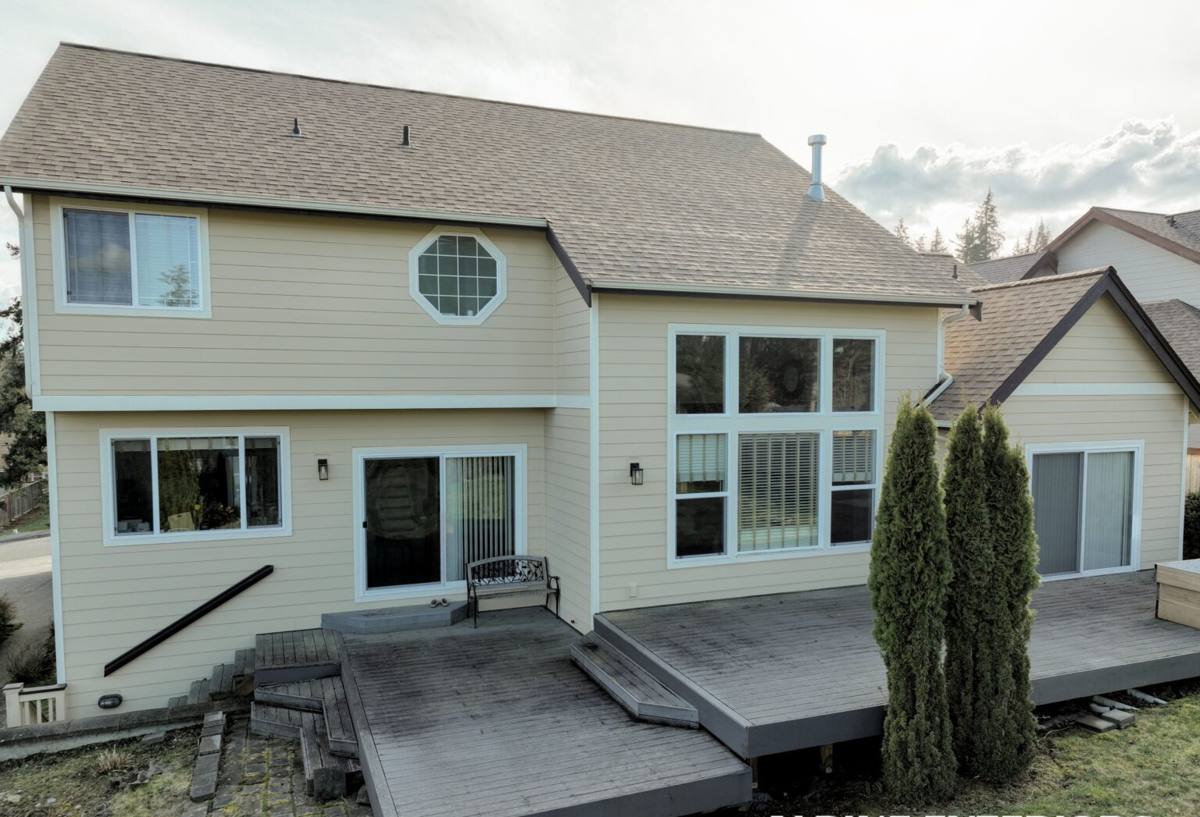
 Deck Building for Pinellas Park Homes
Pinellas Park sits inland from the Gulf but still takes a beating from the same weather that hits every neighborhood in Pinellas County — long stretches of intense sun, sudden downpours, tropical storm systems, and salt-laden air that drifts in off the coast and settles on everything, including your deck. A deck built here has to do more than look good on installation day. It has to survive years of that cycle without cupping, splitting, rusting, or rotting from the inside out.
We build and install decks for homeowners throughout the Largo area, and Pinellas Park is a regular part of that service territory. This page covers what a deck actually needs to hold up in this climate, how we approach the build, and what to look for when you're choosing who does the work.
What Florida Climate Does to a Deck Over Time
Most deck failures we see aren't from bad luck — they're from a build that didn't account for how hard this climate actually is on wood, fasteners, and connections. A few specific stressors matter most in Pinellas Park:
UV exposure, nearly year-round
Florida sun is relentless on horizontal surfaces. UV breaks down the lignin in wood fibers and degrades the pigments in stains and sealers far faster than in most other parts of the country. A deck finish that's rated for a four-season climate up north often needs reapplication on a much shorter cycle here, and unfinished or poorly maintained wood will gray, splinter, and check within a couple of seasons.
Wind-driven rain and humidity
It's not just how much it rains — it's how it rains. Wind-driven rain during storms pushes water sideways into joints, under boards, and into end-grain that a straight-down rain would never reach. Combine that with Florida's humidity and a deck with poor drainage or tight, unventilated framing stays damp long after the sun comes back out, which is exactly the condition rot and mold need.
Salt air and metal fasteners
Pinellas Park isn't beachfront, but it's close enough to the Gulf and Tampa Bay that airborne salt is a real factor, especially with onshore wind patterns. Standard fasteners and connectors corrode faster here than inland-climate hardware ratings assume. A deck held together with the wrong-grade screws and joist hangers can look fine for a year or two while the hardware quietly weakens underneath.
Wind load from tropical systems
Pinellas County sees tropical storms and hurricane-force wind events on a recurring basis. A deck attached to the house, a set of stairs, or a railing system all need to be engineered and fastened to resist uplift and lateral load — not just built strong enough for everyday use.
What a Correctly Built Deck Involves Here
None of the climate factors above are reasons to avoid building a deck — they're just design and material decisions that need to be made correctly from the start. Here's what that looks like in practice:
- Ledger attachment done properly to the house structure, with flashing that actually sheds water away from the band board instead of trapping it against the framing.
- Corrosion-resistant fasteners and hardware rated for coastal or salt-air exposure, not the standard-grade hardware that's fine in drier inland climates.
- Framing spacing and joist sizing that account for local wind and load requirements, not just manufacturer minimums.
- Drainage and airflow underneath the deck so water doesn't pool against posts, footings, or the underside of decking boards.
- Decking material selection matched to how much sun and foot traffic the space actually gets, and how much upkeep the homeowner realistically wants to do.
- Railing and stair connections built to hold up under wind load, not just to pass a casual glance.
Choosing a Decking Material for This Climate
There's no single "best" decking material — the right choice depends on budget, how much maintenance you want to take on, and how the deck will be used. Here's an honest comparison of the main options for a Pinellas Park yard:
| Material | Upfront Cost | Maintenance | How It Handles This Climate |
|---|---|---|---|
| Pressure-treated pine | Lowest | Regular sealing/staining needed | Affordable and workable, but needs consistent maintenance to resist UV and moisture damage; skipping upkeep shortens its life fast in Florida sun |
| Composite decking | Higher | Low — occasional cleaning | Resists rot and doesn't need staining; quality matters a lot here, since lower-grade composites can fade or warp under intense, sustained UV |
| Tropical hardwoods | High | Periodic oiling for color retention | Naturally dense and rot-resistant, holds up structurally well, but is heavier to install and the rich color will gray without maintenance |
| PVC decking | Highest | Very low | Fully resists moisture and rot since there's no wood fiber to break down; strong option for humid, high-UV climates, at a higher material cost |
We don't push one material as universally "the" answer. We'll walk through the honest trade-offs — cost, upkeep, appearance over time, and how the space will actually be used — and help you land on what fits your household, not what's easiest to sell.
Our Process for a Pinellas Park Deck Build
1. On-site assessment
We look at the yard, the grade, drainage patterns, and how the deck will attach to the house. Sun exposure and prevailing wind matter here too — a west-facing deck in Pinellas Park bakes differently than a shaded one, and that affects material recommendations.
2. Design and material selection
We talk through layout, size, railing style, and decking material with the climate factors above in mind, plus your budget and how you plan to use the space.
3. Permitting
Deck construction in Pinellas County typically requires permitting and inspection, particularly for structures attached to the home or built above a certain height. We handle that process as part of the build so you're not chasing paperwork.
4. Construction
Proper footings, correctly sized and spaced framing, corrosion-resistant hardware, and a ledger connection that's flashed and attached the right way — this is where a deck's actual lifespan gets decided, well before the decking boards ever go down.
5. Final walkthrough
We go over the finished deck with you, including basic care guidance for whatever material you chose, so you know what upkeep to expect and when.
Why Local Experience Matters for This Job
A deck built from a generic national spec sheet doesn't automatically hold up here. A crew that regularly works in Largo, Pinellas Park, and the surrounding Pinellas County communities has already run into the local drainage quirks, the inspection expectations, and the way this specific climate — sun, wind-driven rain, salt air, storm season — actually treats different materials and fastener grades over multiple years, not just on install day. That's the difference between a deck that still looks and performs well in year eight and one that needs major repair by year three.
Maintenance: What Actually Keeps a Deck Going Here
Whatever material you choose, a little consistent care goes a long way in this climate. A simple seasonal checklist:
- Sweep off debris regularly — trapped leaves and pollen hold moisture against the surface.
- Inspect fasteners and hardware once or twice a year for early signs of rust or loosening.
- Reseal or restain wood decking on the schedule your product actually needs in high-UV climates — often shorter than the label's general recommendation.
- Check that drainage underneath the deck stays clear so water isn't pooling against posts or footings.
- After any major storm, walk the structure and look for movement at the ledger, stairs, or railing connections.
Staying ahead of small issues is far cheaper than rebuilding a section that's been quietly rotting under a board.
What to Ask Before Hiring a Deck Builder
Whoever you hire, it's worth asking a few direct questions before signing anything:
- Are you licensed and insured to do this work in Pinellas County?
- Will you handle the permit and inspection process, or is that on me?
- What fastener and hardware grade are you using, and is it rated for coastal/salt-air exposure?
- How is the ledger board being flashed and attached to my house?
- What's the realistic maintenance schedule for the decking material we're discussing?
A contractor who answers these clearly and specifically, without dodging, is generally one who's actually thought through the build rather than just quoting a price.
If you're considering a new deck or need an honest look at what a current one needs, we're happy to come out and take a look. The estimate is free, there's no pressure, and you'll get a straight answer about what your space and budget actually call for — just fill out the form below to get started.