 Largo Siding
 Pinellas Park Sits in the Same Tough Climate as the Rest of Pinellas County
Pinellas Park is a few miles inland from the Gulf, tucked between Largo, St. Petersburg, and Clearwater in the heart of Pinellas County. Being off the immediate coastline doesn't buy a home here much protection — the same onshore winds that carry salt air over the beaches keep moving across the county's interior, and the same hurricane systems that threaten the coast bring their full wind and rain load inland as well. From a siding standpoint, a home in Pinellas Park deals with essentially the same environment as one a few miles closer to the water: intense year-round UV, wind-driven rain, salt-bearing air, and the real possibility of hurricane-force gusts for a good stretch of the year.
We're based out of Largo and work in Pinellas Park regularly, which means we've seen how that climate plays out on the housing stock here — a mix of older homes from the county's mid-century growth years alongside newer construction and remodels, all facing the same weathering pressures regardless of age. This page focuses specifically on James Hardie fiber cement siding in Pinellas Park: what the local climate demands of it, what a correct installation actually involves, and why we don't install anything else.
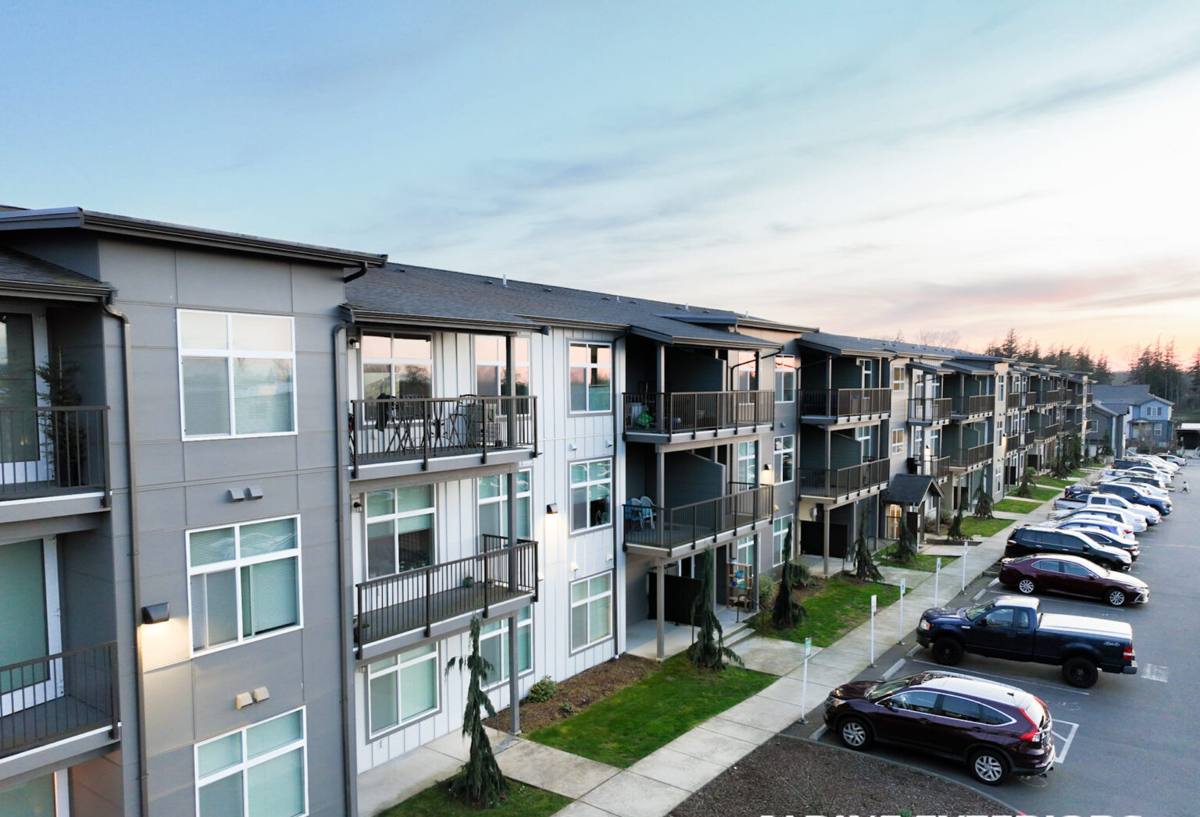
What Hurricane-Force Wind, UV, Rain, and Salt Air Do to Siding Here
Wind Load
Pinellas County's building code sets wind design requirements based on documented hurricane risk, and Pinellas Park homes are covered by those same requirements whether or not the storm track ever makes direct landfall nearby. Siding that isn't rated and fastened for sustained high wind can lift, crack, or tear loose at the edges long before a storm reaches full hurricane strength — sustained tropical-storm-force wind alone is enough to expose weak fastening or a product that was never engineered for the load.
Year-Round UV
Florida's sun angle and long day length put more cumulative UV exposure on exterior surfaces here than in most of the country, and that exposure doesn't let up in winter the way it does farther north. Coatings that aren't engineered for it break down at the pigment level, which shows up as chalking, fading, and uneven color loss — usually worst on south- and west-facing walls that catch the most direct sun.
Wind-Driven Rain
Ordinary rain runs down a wall and off. Rain pushed sideways by 40, 50, or 60-plus mph wind behaves differently — it works its way into butt joints, fastener holes, and trim seams that would stay bone-dry in a calm shower. Over a few storm seasons, siding with marginal flashing or aging caulk starts showing water intrusion at exactly those pressure points, often well before any damage is visible from the ground.
Salt Air and Humidity
Even set back from the Gulf and Tampa Bay, Pinellas Park gets a steady dose of salt-laden air carried in on prevailing winds. Salt accelerates corrosion on exposed fasteners and trim over years of exposure, and it's part of why fastener choice and finish quality matter more here than in a landlocked climate. Add in humidity that rarely lets exterior surfaces fully dry between rain events, and any siding material that absorbs and releases moisture is working against the climate instead of with it.
Why We Install Only James Hardie Fiber Cement in Pinellas Park
We get asked regularly why we don't offer vinyl, LP SmartSide, or other fiber cement brands like Cemplank or Allura. It comes down to a standardization decision based on what actually holds up to the conditions above, and a preference for doing one product exceptionally well over several products adequately.
Vinyl Siding
Vinyl is affordable and low-maintenance in mild climates, but it's a hung, floating product by design — that's what gives it room to expand and contract, but it's also what makes it more vulnerable to being torn loose in sustained hurricane-force gusts compared to a rigid, mechanically fastened product. Sustained heat can also soften and distort lower-grade vinyl over time, which is a more consistent concern here than the cold-weather brittleness vinyl is sometimes criticized for elsewhere.
Engineered Wood (LP SmartSide and Similar)
Engineered wood siding has a genuine track record, but it's still a wood-fiber product under its coating. In a climate where humidity rarely gives surfaces a full chance to dry, any break in the factory edge seal — an unsealed field cut, a cracked fastener hole, a joint that opens up over time — creates a path for the wood core to wick moisture and swell. That makes it a maintenance-sensitive product in a climate that doesn't forgive maintenance gaps.
Other Fiber Cement Brands
Not all fiber cement is built the same way. We standardized on James Hardie specifically for its climate-engineered HZ product lines, its factory-applied ColorPlus finish that resists the fading and chalking plain field-painted siding shows under Florida sun, and the depth of its installation documentation and warranty backing. Non-combustibility is worth mentioning too — fiber cement doesn't add fuel to a fire the way wood-based siding can.
The James Hardie Product Line We Recommend for Pinellas Park Homes
Most Pinellas Park projects use HardiePlank lap siding for the main walls, sometimes paired with HardieShingle or HardiePanel accents for a gable, dormer, or feature wall. The right profile depends on the home's style and what the homeowner is trying to achieve, but the underlying material specification doesn't change:
- HZ5 formulation — James Hardie engineers its siding differently by region, and product sold here is formulated for high-humidity, high-moisture-exposure climates rather than freeze-thaw conditions. It's a manufacturing specification, not a marketing label.
- ColorPlus factory finish — baked on in multiple coats under controlled conditions rather than sprayed or brushed on site, which is why it holds color and resists chipping far longer than field-applied paint under constant Florida UV.
- Fiber cement core — a dense, dimensionally stable mix of Portland cement, sand, and cellulose fiber that doesn't swell, cup, or rot the way organic materials can.
Color and trim decisions are worth spending real time on during the estimate, since ColorPlus is available in a range of factory finishes and the trim system needs to match whichever profile is chosen — but the material decision itself is settled before any of that conversation starts.
Comparing Siding Options for a Pinellas Park Home
| Factor | Vinyl | Engineered Wood | James Hardie Fiber Cement |
|---|---|---|---|
| Wind performance in hurricane-force gusts | Can be torn loose in sustained high wind | Solid when properly fastened and sealed | Rigid, mechanically fastened, engineered for wind zones |
| Behavior under year-round UV | Can fade and grow brittle over years | Depends heavily on factory coating quality | ColorPlus finish resists fading and chalking |
| Moisture and humidity tolerance | Doesn't rot but traps humid air behind the panel | Wood-fiber core can swell if edge seal is compromised | Non-organic, doesn't swell or support rot |
| Salt air exposure | Generally stable; fasteners can corrode | Generally stable; fasteners can corrode | Generally stable; fastener spec matters |
| Combustibility | Can melt or deform under extreme heat | Combustible (wood-based) | Non-combustible |
What a Correct James Hardie Installation Involves
Fiber cement performs the way it's engineered to only when it's installed the way it's engineered to be. A rushed or shortcut installation can leave a home with the same water-intrusion and fastening problems as a lesser product, regardless of what's printed on the board. Every Pinellas Park project follows the same core steps:
- Exterior inspection and moisture check before any tear-off begins
- Removal of existing siding and inspection of the sheathing underneath for hidden rot or damage
- Repair or replacement of any compromised sheathing or framing found during tear-off
- Installation of a properly lapped, continuous water-resistive barrier
- Correct fastener type, spacing, and penetration depth for our wind zone
- Proper clearance from grade, decking, and roof lines so siding isn't sitting in standing water
- Sealed, correctly lapped flashing at every window, door, and roof-to-wall transition
- Final walkthrough covering caulking, touch-up needs, and care instructions
Why Hiring a Crew That Already Works Pinellas Park Matters
A lot of what determines whether siding performs for decades or starts failing in a few years never shows up in a walk-around inspection — how deep a fastener is driven, how a joint is lapped, whether a cut edge got sealed before it went up. A crew that works Pinellas Park and the rest of Pinellas County regularly has already seen how those details play out under this specific mix of wind, sun, and storm exposure, on this area's specific housing stock, rather than applying a generic approach built for a milder climate.
It also matters for permitting. Pinellas County's wind zone requirements shape fastening schedules and product specifications, and a crew based nearby in Largo that pulls permits in this county regularly knows what local inspectors expect, rather than treating it as an out-of-state formality. Being close by also means faster response if a storm exposes a problem and a homeowner needs someone to actually show up.
Signs a Pinellas Park Home May Need New Siding Soon
- Paint that's chalking, fading unevenly, or peeling faster on sun-facing walls
- Soft or spongy spots when pressing on siding near windows, doors, or the lowest courses
- Visible gaps, warping, or buckling, especially after a storm season
- Rust streaks or corrosion showing up around fasteners and trim
- Musty odors or staining on interior walls that back up to exterior siding
- Siding older than 20-25 years with no documented replacement history
None of these on their own mean a home needs full replacement right away, but they're worth a professional look before the next storm season rather than after water has already worked its way into the sheathing and framing.
What to Expect From a Free Estimate
An honest estimate starts with a real inspection, not a sales pitch. We'll look at your current siding's condition, check for hidden moisture or structural issues, talk through which James Hardie profile and color fit your home, and give you a straightforward number based on your home's size, existing condition, and how much trim and detail work is involved — not a lowball figure that grows once the crew shows up.
If you're in Pinellas Park and thinking about new siding, we're happy to come take a look and put together a free, no-pressure estimate using the form below.