 Largo Siding
 Why Pinellas Park Roofs Wear Out Faster Than Roofs Up North
Pinellas Park sits in the middle of a peninsula that gets hit from every direction — Tampa Bay to the east, the Gulf of Mexico a short drive west. That geography is great for weekends and brutal on a roof. Homes here deal with hurricane-force wind gusts that can lift shingles or tear off ridge caps, intense year-round UV that bakes the oils out of asphalt shingles and dries out underlayment, wind-driven rain that gets pushed sideways under flashing and into valleys, and a steady dose of salt air that corrodes fasteners, drip edge, and exposed metal faster than it would inland. None of these forces are dramatic on their own. It's the combination, applied every year without a break, that shortens a roof's useful life in Pinellas County compared to almost anywhere else in the country.
A roof installed correctly for this environment can still hit or beat its rated lifespan. A roof installed with shortcuts — thin underlayment, under-nailed shingles, flashing that was reused instead of replaced — tends to show problems years before it should. The difference almost always comes down to what happened during installation, not the shingle brand on the invoice.
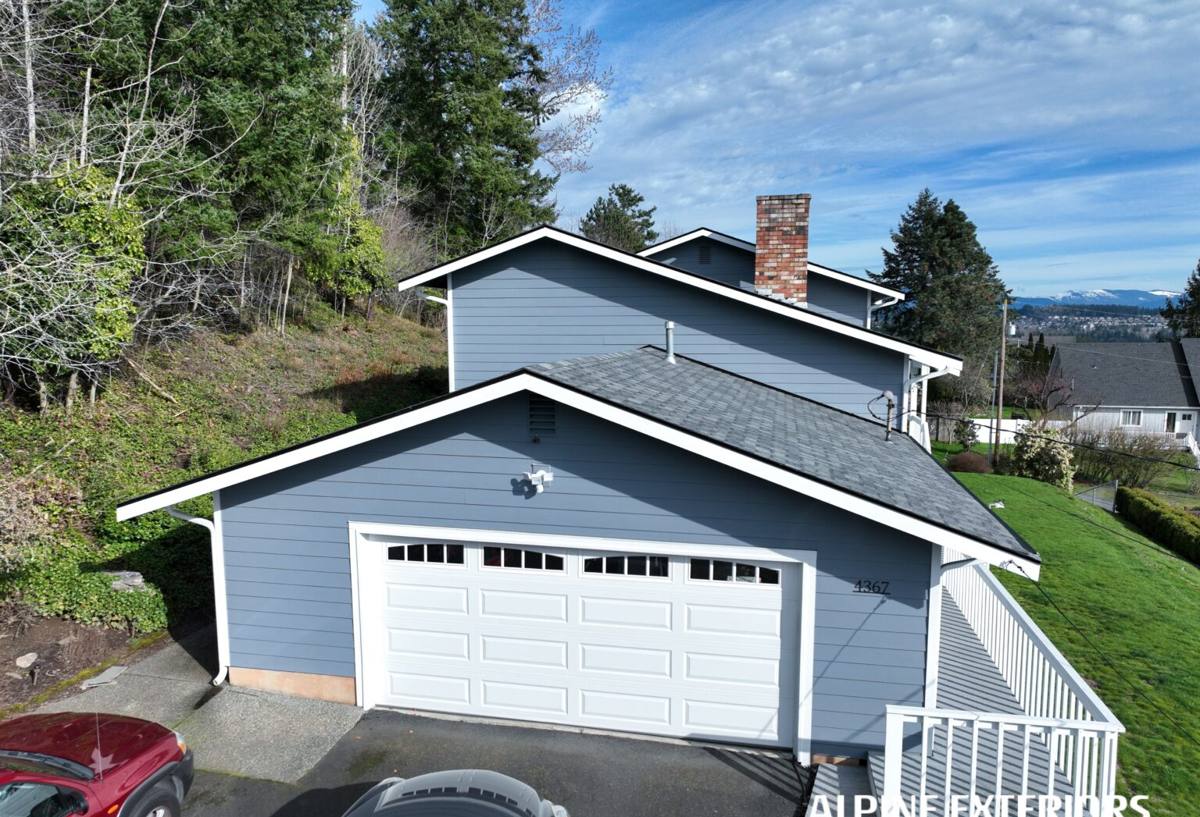
Signs Your Pinellas Park Home May Need a Full Roof Replacement
Not every roof problem calls for a full tear-off. But when several of these show up together, or the roof is already in its late teens or twenties, replacement is usually the more honest recommendation than another round of patching.
- Granules collecting in gutters or at the base of downspouts, or bald patches visible on the shingles themselves
- Shingles that are curling at the edges, cupping in the middle, or visibly cracked
- Soft or spongy spots when walking the roof, which usually means the deck underneath is compromised
- Daylight visible through the roof boards from inside the attic
- Missing or lifted shingles after any significant wind event, especially in clusters rather than one or two stray tabs
- A roof that's 18-25+ years old, depending on material, even if it "looks fine" from the ground
- Repeated leak repairs in different spots each storm season instead of one recurring issue
- Interior ceiling stains, especially ones that reappear after being painted over
What a Correct New Roof Installation Actually Involves
Tear-Off and Deck Inspection
A real replacement means removing the old roofing down to the deck — not layering over it. That's the only way to actually see the plywood or OSB underneath. Any soft, delaminated, or water-stained deck sections get identified and replaced before anything new goes down. Skipping this step is the single most common shortcut that leads to early failures, because no underlayment or shingle can compensate for a rotten deck.
Underlayment and a Secondary Water Barrier
Underlayment is the roof's backup plan for the moments when wind drives rain up under the shingles, which happens regularly during Gulf Coast storms. In this climate, we treat a synthetic or self-adhering underlayment system — including sealed seams at the deck — as standard practice, not an upgrade. It's the difference between water getting stopped at the deck versus finding its way into the attic.
Flashing, Valleys, and Penetrations
Flashing around chimneys, walls, skylights, and roof valleys is where most leaks actually originate, not out in the open field of shingles. Old flashing gets replaced, not reused, and valleys are lined and woven or metal-lined based on the roof's pitch and the material being installed.
Ventilation
Florida attics take on serious heat, and a roof deck that can't breathe cooks from underneath as much as it bakes from the sun above. Balanced intake and exhaust ventilation is checked and corrected during a replacement, not just left as-is from whatever was there before.
Fastening and Wind Rating
Nailing pattern and fastener count matter as much as the shingle's rated wind speed. A shingle rated for high winds that's under-nailed or nailed in the wrong zone performs like a much cheaper product. This is the kind of detail that's invisible once the roof is finished, which is exactly why it has to be done right the first time.
Choosing a Roofing Material for Pinellas Park's Climate
There's no single "best" roofing material — the right choice depends on budget, the home's structure, and how long you plan to own it. Here's how the common options stack up against the specific stresses Pinellas Park roofs face.
| Material | Wind Performance | Heat/UV Handling | Salt Air Durability | Typical Lifespan |
|---|---|---|---|---|
| Architectural (laminate) shingles | Good with proper nailing and high wind-rated products | Moderate — UV gradually dries oils over time | Good; use corrosion-resistant fasteners and flashing | 20-30 years |
| Metal roofing | Excellent when properly fastened | Very good — reflects heat, doesn't dry out | Good with coated/marine-grade fasteners; avoid dissimilar metals | 40-50+ years |
| Concrete or clay tile | Excellent for the tile itself; underlayment is the weak point | Excellent | Excellent | 50+ years (underlayment usually needs replacement sooner) |
Tile and metal cost more upfront but shift the maintenance burden away from surface wear and onto less frequent, larger-scale needs like underlayment replacement. Architectural shingles remain the most common choice in Pinellas Park because they balance upfront cost with solid performance, provided the installation details above are handled correctly.
Our Installation Process, Start to Finish
- Inspection and honest assessment — we walk the roof and attic, not just look from the driveway, and tell you plainly whether you need a repair or a replacement.
- Material selection — we go over wind ratings, color, and budget so you're choosing with full information, not guessing.
- Permitting — we pull the required Pinellas County or City of Pinellas Park permit before work begins, as required by the Florida Building Code.
- Tear-off and deck repair — old material comes off, the deck gets inspected, and any bad sections are replaced.
- Underlayment, flashing, and ventilation — the parts that determine whether the roof actually keeps water out.
- Installation — shingles, metal panels, or tile go down to manufacturer specs and wind-rating requirements.
- Cleanup — magnetic sweep for nails, full debris removal from the yard and gutters.
- Final inspection — the local building inspector signs off, and we walk the roof with you.
Permits, Wind Mitigation, and Insurance Considerations in Pinellas County
A new roof in Pinellas Park requires a permit and inspection under the Florida Building Code — this isn't optional paperwork, it's what confirms the work meets current wind-load and construction standards, and it protects you if there's ever a dispute with an insurer down the road. Skipping permits to save time is a false shortcut; an unpermitted roof can complicate a future home sale or an insurance claim.
Once the new roof is on, it's worth scheduling a wind mitigation inspection. This is a separate inspection insurers use to determine discounts based on roof shape, deck attachment, roof-to-wall connections, and the roof covering's wind rating. A newly installed roof built to current code often qualifies for meaningful savings, but the discount depends on documentation — keep your permit card, inspection report, and any manufacturer wind-rating paperwork together after the job is done.
What a New Roof Costs in Pinellas Park — and What Drives the Price
Roof pricing varies enough by home and material that a number pulled from the internet won't mean much for your specific house. What's more useful is understanding what actually moves the price up or down.
| Cost Factor | Why It Matters |
|---|---|
| Roof size and number of facets | More squares and more valleys/hips mean more material and labor time |
| Pitch and accessibility | Steep or hard-to-access roofs take longer and require more safety setup |
| Deck condition | Rotten or delaminated decking found during tear-off adds material and labor to replace it |
| Material choice | Architectural shingles, metal, and tile carry very different material and labor costs |
| Wind rating and underlayment upgrades | Higher wind-rated products and sealed secondary water barriers cost more but reduce future risk |
| Layers being removed | Tearing off multiple existing layers takes longer than a single-layer tear-off |
Get a written estimate that breaks these factors out by line item rather than one lump number — it's the only way to compare bids apples-to-apples.
Why Hiring a Crew That Already Works Pinellas Park Matters
Roofing crews that work Pinellas Park regularly know which permit desk to call, what the local inspectors typically flag, and how HOA guidelines in some neighborhoods affect shingle color or material choices before a job ever starts — all of which keeps a project from stalling on paperwork. Just as important, a local crew is still around next year and the year after. After a hurricane or a bad wind event, storm-chasing crews from out of state show up, take deposits, and are gone before the work is inspected or the warranty means anything. A crew based in Largo and working the surrounding Pinellas County communities has a reputation to protect here, which is exactly the incentive you want when it's your roof and your insurance claim on the line.
Caring for Your New Roof After Installation
A correctly installed roof still benefits from basic upkeep, especially in this climate.
- Keep gutters and downspouts clear so water isn't backing up under the drip edge
- Walk the yard after any significant storm and look for shingle debris or granules, and check the attic for new stains
- Trim back tree limbs that overhang the roof to reduce abrasion and debris buildup
- Have attic ventilation checked periodically — blocked soffit vents undo the benefit of a good ventilation system
- Avoid pressure washing shingles directly; it strips granules and shortens their life
- Keep your permit, inspection, and wind mitigation paperwork together in one place for insurance purposes
If your Pinellas Park roof is showing its age or didn't hold up the way it should have after the last storm season, we're happy to take a look and give you a straight answer about repair versus replacement. Reach out for a free, no-pressure estimate using the form below.