 Largo Siding
 Redington Beach Sits Right at the Edge of What Siding Has to Survive
Redington Beach is a barrier island — Gulf of Mexico on one side, Boca Ciega Bay and the Intracoastal Waterway on the other. That means salt-laden air reaches every home here, not just the ones with a water view, and it reaches them from two directions instead of one. Add in direct sun almost every day of the year, hurricane-force wind gusts during storm season, and rain that comes in sideways off the Gulf, and you have one of the toughest exterior environments in Pinellas County. Siding that performs fine a few miles inland in Largo can fail years early out here if it wasn't chosen and installed with this specific exposure in mind.
This page is about one job on one type of home: installing James Hardie fiber cement siding correctly on a Redington Beach property. Not a general siding overview — what this island's climate actually does to an exterior, what a correct installation has to account for, and why the details matter more here than almost anywhere else in the county.
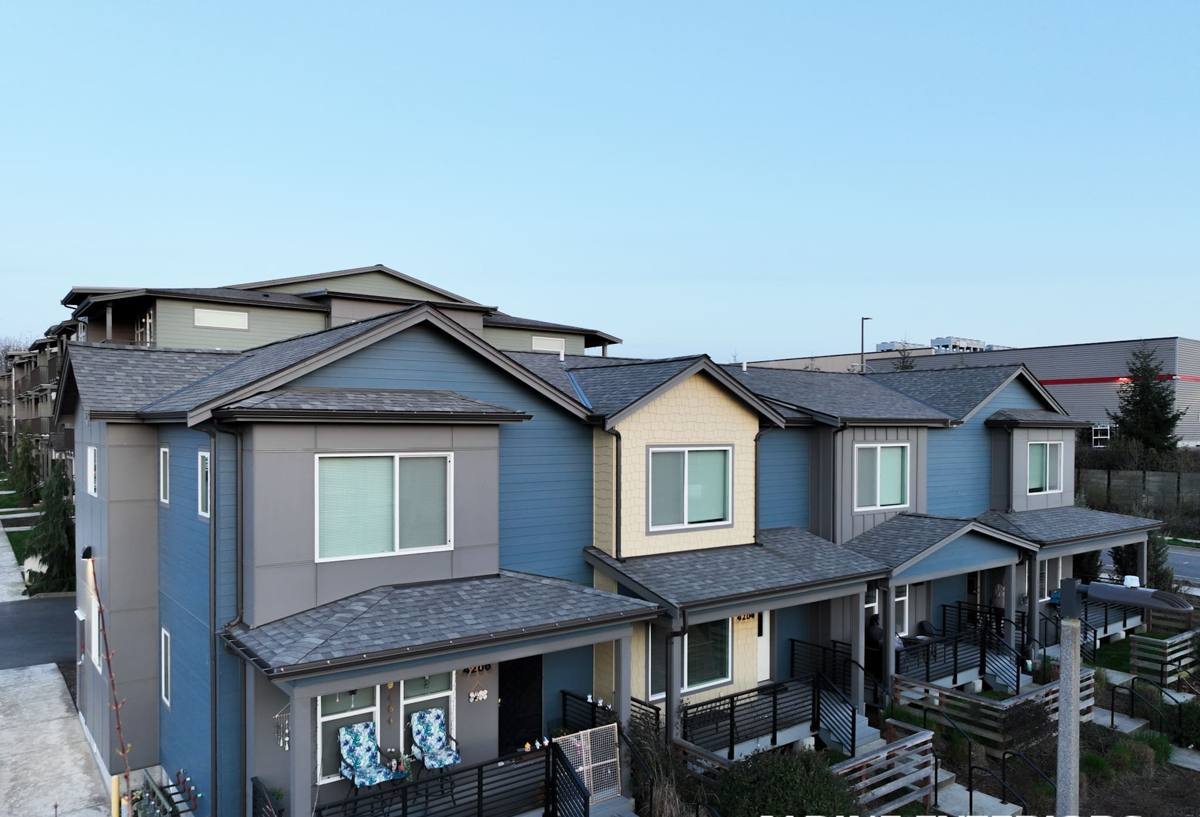
What Salt Air, Wind, and UV Actually Do to a Home's Exterior Over Time
Salt-Laden Air and Metal Fatigue
Airborne salt doesn't just sit on the surface — it works into fasteners, trim seams, and any exposed metal, accelerating corrosion far faster than the same materials would degrade a few miles from the water. Fasteners that aren't rated for coastal exposure can start rusting within a few years, and once a fastener corrodes, the siding panel it's holding loses its grip.
Wind-Driven Rain Finds Every Gap
Redington Beach doesn't get gentle, straight-down rain very often. Storms here typically drive rain sideways under wind pressure, which means it gets tested against every lap, joint, and penetration in a siding system — places a gutter downspout, a light fixture, or a hose bib pass through the wall. A system that isn't detailed for wind-driven rain will eventually let moisture behind the cladding, even if it looks fine from the street.
Year-Round UV Bleaches and Breaks Down Weak Coatings
Florida's UV exposure is intense and constant, not seasonal. Paint films and factory coatings that aren't formulated for it chalk, fade unevenly, and start to crack within a handful of years, which then exposes the substrate underneath to moisture it wasn't built to handle on its own.
Why Fiber Cement Is the Right Material Class for a Barrier Island Home
Fiber cement is cement, sand, and cellulose fiber formed under pressure — it doesn't warp in heat, it doesn't rot when it gets wet, and it holds its shape and its fastening through decades of wind cycling. On a home exposed to this kind of sun and salt, those properties matter more than they would on a shaded inland lot.
We install fiber cement exclusively, and we're upfront about why. Vinyl siding softens and can distort in prolonged direct heat, and it's more prone to cracking on impact from wind-driven debris — a real consideration in a hurricane corridor. Untreated or primed wood siding needs a maintenance schedule that's hard to keep up with in this humidity and salt exposure, and once wood starts absorbing moisture at a cut edge or a fastener hole, rot can spread underneath the paint film before it's visible. Both are legitimate products with their own strengths elsewhere. We simply don't think they hold up to what Redington Beach throws at an exterior over a 20-30 year span, so we don't install them here.
The James Hardie System We Install and Why We Chose It
We install James Hardie fiber cement exclusively — no other manufacturer, no substitutions. Hardie engineers its siding formulations by climate zone, and Gulf Coast Florida falls into their HZ5 category, built specifically for high humidity, salt exposure, and heavy moisture cycling rather than a one-size-fits-all national formula.
Two things about the Hardie system matter specifically for a home like this:
- ColorPlus Technology: a factory-applied, baked-on finish that resists UV fade far better than field-applied paint, which matters enormously given how much direct sun this island gets year-round.
- Non-combustible composition: fiber cement doesn't contribute fuel to a fire the way wood-based products can, a meaningful consideration on a densely built barrier island.
Hardie also backs its products with a strong transferable warranty, which carries real value on a coastal property where future buyers will ask hard questions about exterior condition and storm history.
What Correct Installation Looks Like on a Coastal Home Like This
Fastening for Wind Zones
Pinellas County's coastal areas fall under demanding wind-load requirements in the Florida Building Code, and a barrier island lot like Redington Beach sits at the higher end of that range. Correct installation means fastener type, spacing, and embedment matched to the home's actual wind exposure category — not a generic pattern pulled from a lower-wind jurisdiction. Near salt water, that also means using fasteners rated for corrosion resistance, not standard galvanized options that can start failing within a few years.
Clearances, Flashing, and Water Management
Every horizontal surface where siding meets a roofline, deck, or grade needs proper clearance and flashing so water sheds away from the wall assembly instead of wicking into a cut edge. Redington Beach homes are often close to grade or elevated on the low side, and getting these clearances right is what keeps wind-driven rain from becoming a moisture problem behind the siding.
Caulking and Paint Practices That Actually Last Here
Cut edges need to be sealed and primed per manufacturer spec before installation — skipping this step is one of the most common ways fiber cement siding fails early in coastal climates, because an unsealed cut edge absorbs moisture the factory finish was never meant to let in. Sealant choice matters too; not every caulk formulation holds up to constant UV and salt air the way a purpose-rated exterior sealant does.
Our Process for Redington Beach Projects
- On-site assessment: we look at your home's specific wind exposure, existing wall condition, and any moisture or corrosion damage from the current siding before quoting anything.
- Permitting: siding replacement on Pinellas County's barrier islands requires permitting through the applicable local building department, and we handle that process as part of the job.
- Removal and inspection: once old siding comes off, we inspect the sheathing and framing underneath for hidden moisture damage before anything new goes on.
- Installation to Hardie and Florida Building Code spec: correct fastener schedule, flashing, clearances, and sealed cut edges throughout.
- Final walkthrough: we review the finished work with you and confirm everything meets both the manufacturer's installation requirements and code.
What Affects the Cost of a Fiber Cement Siding Project Here
Every home is different, but these are the factors that typically move the price on a Redington Beach project:
| Factor | Why It Matters |
|---|---|
| Home size and wall complexity | More corners, gables, and cutouts mean more cut edges to seal and more labor time |
| Existing siding removal | Tear-off and disposal of old material adds time versus a bare-wall install |
| Substrate condition | Any rotted or moisture-damaged sheathing found underneath needs repair before new siding goes on |
| Hardie product line and profile | Lap width, shingle-style panels, and trim details vary in material cost |
| ColorPlus vs. field-painted finish | Factory-finished panels cost more upfront but eliminate a future full repaint |
| Wind-zone fastening requirements | Higher exposure categories can require tighter fastener spacing and corrosion-rated hardware |
Keeping Coastal Fiber Cement Siding Looking Right
Hardie siding is low-maintenance compared to wood or repainted materials, but "low-maintenance" isn't "no-maintenance" in a salt-air environment. A simple annual routine goes a long way:
- Rinse the exterior with fresh water a few times a year to clear off accumulated salt residue, especially on Gulf-facing walls
- Walk the perimeter after major storms and check for loose trim, damaged caulking, or impact marks from debris
- Keep gutters and downspouts clear so water isn't overflowing directly onto siding sections
- Check caulked joints around windows, doors, and penetrations once a year and have any cracked sealant redone before it lets moisture in
- Trim back landscaping that holds moisture against the wall or blocks airflow along the siding surface
Why Hiring a Crew That Already Works This Beach Matters
A contractor who mostly works inland jobs may not think twice about fastener corrosion ratings, wind-zone fastening schedules specific to a barrier island, or how close to code minimum they can cut clearances before wind-driven rain becomes a problem. Those aren't things you can tell from a finished job's appearance on day one — they show up as failures three, five, or ten years later. Crews who regularly work Redington Beach and the surrounding barrier islands already know the permitting process, the wind exposure realities, and the installation details this environment demands, because they've seen what happens when those details get skipped.
If you're weighing a siding project on your Redington Beach home, we're glad to come take a look and walk you through what your specific home needs — no pressure, no obligation. Use the form below to request a free estimate.