 Largo Siding
 Windows Built for What Pinellas Park Actually Deals With
Pinellas Park sits in one of the more demanding climates in the country for exterior building products, and windows take more abuse than almost any other part of a home's envelope. Between hurricane-season wind events, near-constant UV exposure, salt-laden air drifting in off the Gulf, and wind-driven rain that finds every weak seam, a window installation here has to do more than look good on the day it's installed. It has to hold up year after year under conditions that would let a poorly installed or mismatched window fail within a few seasons.
We work on homes throughout Largo and the surrounding Pinellas County communities, including Pinellas Park, and we treat window replacement as a system — frame, glass, flashing, fasteners, and sealant all working together — rather than a single product swapped into an old opening. This page covers what that actually means for a Pinellas Park home, what a correct installation involves, and how we approach the work.
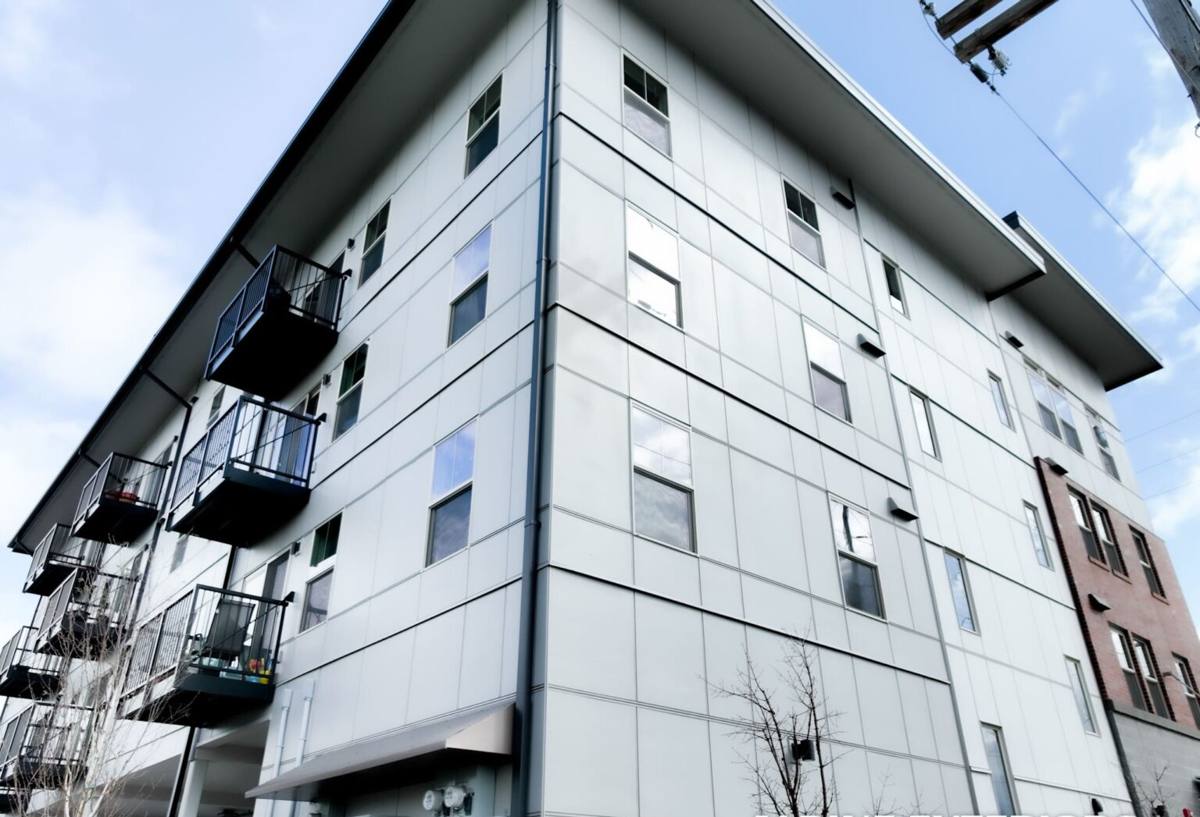
What This Climate Does to Windows Over Time
Hurricane-Force Wind and Wind-Borne Debris
Pinellas County homes are built under Florida Building Code wind-load and wind-borne-debris requirements, which exist because storms here can drive sustained high winds and turn loose yard debris into projectiles. Windows and their installation have to be rated and fastened to resist both direct wind pressure and impact — not just meet a minimum standard on paper, but actually be installed the way the rating assumes they will be.
Intense, Year-Round UV
Florida's UV exposure is strong nearly every month of the year, not just in summer. Over time this degrades vinyl frames that aren't UV-stabilized, breaks down cheap sealants, and can discolor or warp lower-grade window components. It also drives up cooling costs when glass doesn't have adequate low-E coating to block solar heat gain.
Salt Air and Humidity
Even homes that aren't directly waterfront deal with salt-laden air moving inland, and Pinellas Park is close enough to the coast that this matters. Salt air accelerates corrosion on hardware, fasteners, and certain metal components, and combined with Florida's humidity, it's harder on window seals and weatherstripping than a drier inland climate would be.
Wind-Driven Rain
It's rarely just rain here — it's rain pushed sideways by wind, which means water gets tested against flashing, seals, and sill details in ways a calm-weather rain never would. Most window leaks we're called out to diagnose trace back not to the window itself but to how it was flashed and sealed into the wall opening.
Signs It's Time to Replace Your Windows
Homeowners in Pinellas Park usually notice a handful of recurring problems before they call about replacement:
- Windows that are difficult to open, close, or lock, or that have visibly warped or swollen frames
- Fogging or moisture between panes on double-glazed windows, which means the seal has failed
- Drafts, whistling, or noticeable outside noise coming through closed windows
- Rising cooling bills without other changes to the home or AC system
- Visible wood rot, soft spots, or staining around the frame or interior sill
- Chalky, pitted, or discolored aluminum frames from years of sun and salt exposure
- Windows that don't carry a current wind/impact rating and were installed before recent code updates
What Correct Window Installation Actually Involves
It's Not Just the Window — It's the Install
A high-quality window installed poorly will underperform a mid-grade window installed correctly. The window itself is one part of the system; the rough opening prep, flashing, shimming, fastening pattern, and sealant all determine whether that window actually performs to its rating once it's in the wall.
Flashing and Water Management
Every opening needs to be flashed so that any water that gets past the outer seal is directed back out, not into the wall cavity. This is the step that gets rushed or skipped on cut-rate jobs, and it's almost always the root cause of leaks that show up months or years later, especially after the first serious wind-driven rain event.
Fastening for Actual Wind Load
A window's wind rating assumes a specific fastener type, spacing, and anchoring into structurally sound material. Installing the same window with fewer fasteners, the wrong screws, or anchoring into deteriorated framing means the real-world performance falls short of the rating on the label — even though the window itself was correct for the job.
Sealing Without Trapping Moisture
Interior and exterior sealant both matter, but they need to be applied correctly so the assembly can still manage any incidental moisture rather than trapping it inside the wall. This is a detail that's easy to get wrong in a hurry and hard to diagnose after the fact without opening up the wall.
Choosing Window Materials and Glass for Pinellas Park Homes
There's no single "best" window for every home — the right choice depends on budget, sun exposure, distance from the water, and how the opening was originally built. Here's how the common options generally compare in this climate:
| Frame Material | Salt Air / Corrosion | UV & Heat Handling | Maintenance |
|---|---|---|---|
| Vinyl (UV-stabilized) | Good — won't corrode | Good with quality compounds; can discolor over decades in poor-grade product | Low |
| Aluminum | Fair — needs a good finish; can pit or corrode near the coast over time | Conducts heat more than vinyl or fiberglass unless thermally broken | Moderate |
| Fiberglass/composite | Very good — highly stable in salt and humidity | Excellent dimensional stability under heat and sun | Low |
| Wood (clad exterior) | Poor if exposed; needs cladding or heavy upkeep | Interior look preserved, but exterior wood degrades fastest here | High |
On glass, laminated impact glass is the most direct way to meet wind-borne-debris requirements without adding separate shutters or panels, and it has the side benefit of cutting outside noise noticeably. Non-impact windows paired with code-compliant shutters are a lower-upfront-cost option, but they only protect the home when the shutters are actually deployed before a storm — something that's easy to overlook if you're not home. We'll walk through both approaches honestly, including the real maintenance and lifestyle trade-offs, rather than pushing whichever is more profitable to install.
Permits and Building Code in Pinellas County
Window replacement in Pinellas County almost always requires a permit, and the replacement windows need to meet current Florida Building Code wind-load and wind-borne-debris requirements for the home's location, not the code that was in effect when the house was originally built. This trips up a lot of DIY and out-of-town crews who assume "like for like" replacement doesn't need a permit or a compliant rating — it does. We handle the permitting process as part of the job so you're not the one navigating it, and so the finished work is properly documented if you sell the home or file an insurance claim down the road.
Our Window Installation Process
- On-site assessment — we look at the existing openings, framing condition, and any water or wind damage before recommending anything
- Product selection — we go over frame material, glass, and impact-vs-shutter options based on your budget and how the home is exposed
- Accurate measurement and ordering — every opening is measured individually rather than assumed uniform
- Permit filing — we handle the Pinellas County permit paperwork for the project
- Removal and opening prep — old windows come out, and we check the framing underneath before anything new goes in
- Flashing, setting, and fastening — installed to the manufacturer's specifications so the wind and impact rating is actually achieved, not just assumed
- Sealing and finish work — interior and exterior trim and sealant completed to shed water correctly
- Final walkthrough — every window operated and checked with you before we consider the job done
Why a Crew That Regularly Works in Pinellas Park Matters
Window installation quality has as much to do with the crew's habits and local familiarity as it does with the product. A contractor who regularly works homes in Pinellas Park and the broader Largo area already understands the common framing types and opening conditions found in this part of Pinellas County, knows what the local permitting process expects, and isn't guessing at how a house built decades ago compares to newer construction nearby. That familiarity shows up in fewer surprises during removal, more accurate quoting up front, and installation details that are already dialed in for this specific climate rather than adapted from a job done somewhere with milder weather.
A Quick Checklist Before You Hire Anyone
- Ask for proof of current Florida contractor licensing and insurance
- Confirm the windows quoted carry a wind/impact rating appropriate for your home's location
- Ask who pulls the permit — it should be the contractor, not left to you
- Get the flashing and fastening approach explained, not just the window brand
- Ask what the warranty covers — product defects and labor/installation are often separate
- Get everything in writing before work starts, including the wind rating and glass type quoted
If your windows in Pinellas Park are showing their age, letting in drafts, or you're simply ready to upgrade to something built for what this climate actually throws at a home, we're happy to take a look and put together a straightforward, no-pressure estimate. Use the form below to get started.