 Largo Siding
 Belleair sits on the peninsula between Clearwater Harbor and the Gulf, in the heart of Pinellas County, and that stretch of water on both sides changes what "siding replacement" means here. Homes in Belleair see the same year-round Florida sun as the rest of the county, but with more direct salt air and wind exposure than a comparable house set back a few miles inland. Add in Largo's exposure to hurricane-force wind events, and the siding on a Belleair home is doing more work, more of the year, than most homeowners realize until something starts to fail. We install James Hardie fiber cement siding exclusively, and this page covers what that job actually looks like for a Belleair property — not a generic siding overview, but what this specific climate demands and what a correctly done installation involves.
Why Belleair's Location Changes the Siding Decision
Three things separate Belleair from a typical inland Pinellas County property when it comes to exterior cladding. First, the water on both sides — being on a peninsula between Clearwater Harbor and the Gulf means salt-laden air reaches these homes from more directions, more consistently, than it does even a short distance inland. Second, the housing stock itself is a mix: long-established homes built decades ago sitting alongside larger, newer construction and renovations, which means the starting condition of the wall assembly varies a lot from one job to the next. Third, like the rest of Largo and Pinellas County, Belleair falls under Florida's wind-borne debris and high-wind construction requirements, which affect fastening patterns, product selection, and how trim and openings get detailed.
None of that makes siding work here harder than it should be — it just means the material and the installation method have to be chosen for what this specific location actually puts a house through, not for what works fine in a milder climate.
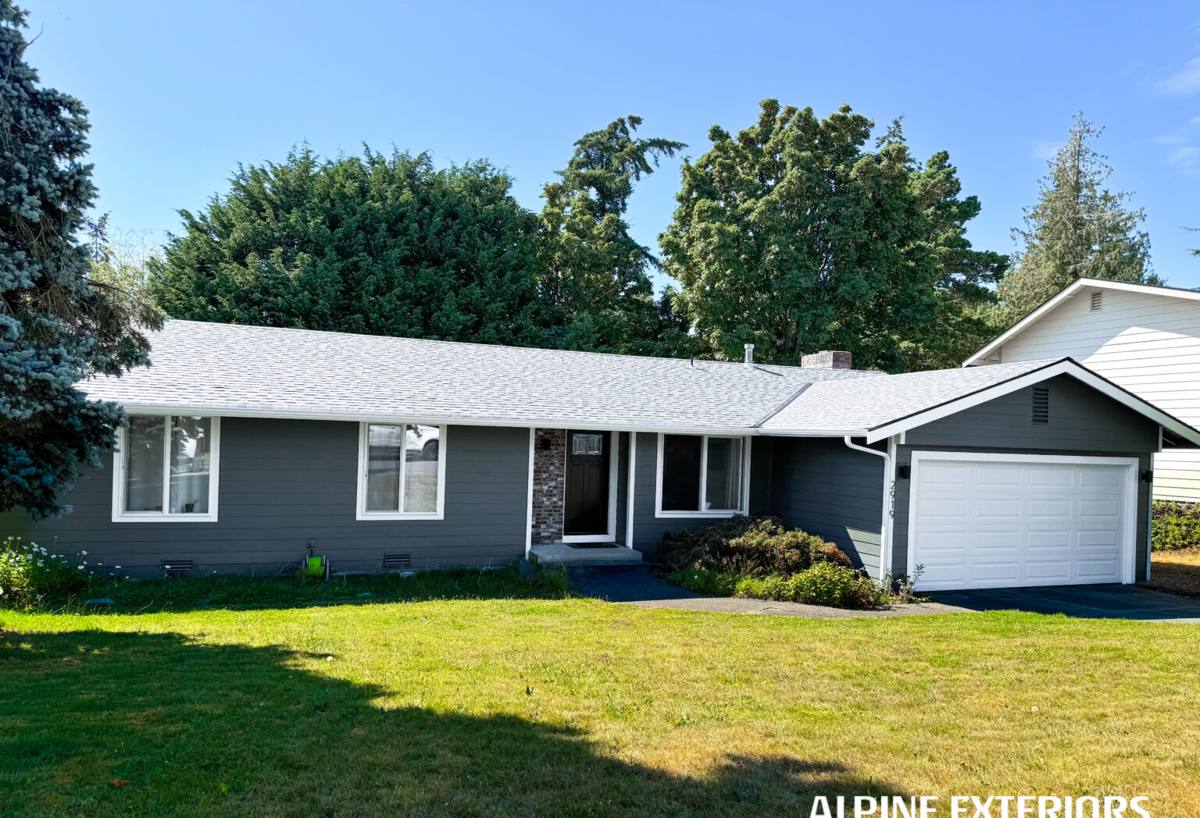
What the Climate Actually Does to Siding in Belleair
Four things wear on a Belleair home's exterior, and they don't take turns — they overlap all year. Hurricane-force wind events, even when a storm doesn't make a direct hit, put sustained pressure and gusts on siding and its fasteners that inland siding rarely experiences. Intense, near year-round UV breaks down pigments, coatings, and lesser wood or composite substrates faster here than in almost any other part of the country, which is why a siding product's factory finish matters as much as the substrate underneath. Wind-driven rain — not just rain falling straight down, but rain pushed sideways during storms and even routine summer squalls — tests every seam, lap, and piece of flashing on the house, finding any gap in the water management plan. And salt air off the surrounding water is a slow, constant process rather than a storm event; it works on fasteners, trim, and finishes every single day, whether or not a named storm ever comes through.
Individually, most siding products can handle one or two of those stressors. What separates a siding job that holds up in Belleair for decades from one that starts failing in five or six years is whether the material and the installation account for all four at once.
Where Belleair Siding Problems Actually Start
It's rarely the field of the siding that fails first. It's the transitions — a butt joint that wasn't caulked and painted correctly before it went up, a window or door trim detail that lets wind-driven rain track behind the cladding, fasteners that weren't corrosion-resistant and started bleeding rust through the finish, or a bottom course set too close to grade where moisture sits longer than it should. Those are the spots we check first on any inspection, because they're the spots that decide whether a wall assembly stays dry behind the siding or doesn't.
Why We Install Only James Hardie Fiber Cement Here
We don't install vinyl, LP SmartSide, or other engineered wood or composite siding products, and Belleair's climate is a big part of why. Vinyl can warp and become brittle under sustained UV and doesn't manage wind-driven rain intrusion at the seams as well as fiber cement. Engineered wood and composite products rely on treated wood fiber and a factory or field coating to keep moisture out — a system that's more sensitive to installation quality and more vulnerable if that coating is ever compromised in a climate this humid and salt-exposed. James Hardie fiber cement is a mix of cement, sand, and cellulose fiber, cured into a dense board that doesn't rely on a coating alone to stay stable — it simply doesn't absorb and swell the way wood-based products do. Hardie's HZ5 product line is engineered specifically for high-humidity, wind-driven-rain climates like ours, and the ColorPlus factory finish is baked on under controlled conditions rather than applied on site, which holds up to constant UV far longer than a job-site paint job typically does. It's also non-combustible, and it carries a strong, transferable warranty when installed to Hardie's specifications — which is the other half of the equation, because a good material installed wrong still fails.
What a Correct Fiber Cement Siding Installation Involves
Assessment and Substrate Check
Before any siding comes off, we check the condition of the wall assembly underneath — sheathing, the weather-resistant barrier, and any existing rot or moisture damage, which shows up more often on older Belleair homes near the water than on newer inland construction. Anything we find gets corrected before new siding goes up, not covered over.
Moisture Barrier and Flashing
This is the step that matters most this close to open water. Every window, door, and penetration needs flashing that's lapped correctly over a continuous weather-resistant barrier, so wind-driven rain sheds outward instead of finding its way behind the new siding. A good weather barrier doesn't make up for a bad flashing detail, and good flashing doesn't make up for a torn or improperly lapped barrier — both have to be right.
Fastening for Wind Load
Hardie siding has to be fastened according to the manufacturer's specification for the wind zone it's going into, and coastal Pinellas County generally calls for a tighter fastening pattern than an inland, lower-wind-zone installation. We use corrosion-resistant fasteners throughout, since standard fasteners tend to bleed rust through a finish within a few years in salt air.
Joints, Trim, and Finish Details
Butt joints, corners, and trim intersections are where most premature siding failures start, so those get caulked and detailed correctly instead of rushed. Where ColorPlus factory-finished product is used, field touch-up is done with Hardie's matched touch-up products, which keeps the factory finish's UV resistance intact at cut edges and fastener heads instead of relying on field-mixed paint that won't hold up the same way over time.
Signs Your Belleair Home's Siding May Already Be Failing
- Visible cracking, buckling, or soft spots anywhere along the siding
- Rust streaks running down from fastener heads or trim edges
- Paint that's chalking, peeling, or fading unevenly, especially on sun-exposed walls
- Gaps opening up at butt joints, corners, or trim intersections
- Soft or discolored drywall or trim on the interior side of an exterior wall
- Visible daylight or drafts around window and door trim
Any one of these is worth a closer look before it turns into a bigger repair. In a climate that doesn't give siding much of a break, small gaps don't stay small for long.
Our Process, Start to Finish
- On-site inspection — we assess the existing siding, the wall assembly underneath, and the specific wind and salt exposure of your Belleair property
- Honest scope and recommendation — what needs replacing, what, if anything, can be repaired, and why, explained in plain terms
- Product and color selection — choosing the right HardiePlank, panel, or trim profile and ColorPlus finish for the home
- Substrate repair — any rot, moisture damage, or compromised sheathing gets corrected before new siding goes on
- Weather barrier and flashing installation — a continuous moisture management plan built around your home's actual openings and exposure
- Siding installation — fastened to the wind-zone specification for coastal Pinellas County, with corrosion-resistant fasteners throughout
- Trim, caulking, and final finish — every joint and transition detailed to hold up to Belleair's sun and salt exposure
Cost Factors on a Belleair Siding Job
| Factor | How It Affects the Job |
|---|---|
| Existing wall condition | Rot or moisture damage found under old siding adds repair work before new siding can go on correctly |
| Home size and complexity | More corners, trim details, and roof intersections mean more flashing and joint work per square foot |
| Product line and profile | HardiePlank lap, panel, and shingle-style profiles carry different material and labor costs |
| Color and finish | ColorPlus factory finishes cost more upfront than primed board but remove the recurring cost of repainting |
| Wind zone fastening requirements | Coastal Pinellas County fastening specs call for more fasteners and labor time than an inland, lower-wind installation |
| Access and site conditions | Waterfront or tightly set lots can add setup and material-handling time |
Why Hiring a Crew That Already Works Belleair Matters
Manufacturer installation instructions describe average conditions, and Belleair's exposure between two bodies of water isn't average. A crew that doesn't regularly work this stretch of Pinellas County can get the product spec right on paper and still miss the details that actually keep water out — how tight the fastening pattern needs to be on a wall that takes wind from more directions, how much flashing overlap a given roofline actually needs in wind-driven rain, which trim joints need extra attention because of constant salt exposure. Those are judgment calls made on site, not something a spec sheet decides for you.
We work in Belleair and the surrounding Largo area regularly, so we're not guessing at how a particular home, orientation, or wall type tends to hold up here over time. That's the difference between siding that's still tight and holding its finish after a decade of Gulf Coast weather, and siding that starts showing problems within a few years.
If your Belleair home's siding is showing its age, or you're planning a renovation and want it done with a material built for this exact location, it's worth having someone look at the actual condition of your walls before you start comparing products. We offer free, no-pressure estimates for fiber cement siding projects in Belleair and throughout the Largo area — use the form below to get a time on the schedule.