 Largo Siding
 Metal Roofing Built for Belleair's Coastal Exposure
Belleair sits close enough to the Gulf that salt air, humidity, and wind are part of daily life for every roof in the area, not just the ones facing the water directly. Homeowners here are increasingly asking about metal roofing for a simple reason: a correctly installed metal roof holds up to Pinellas County's weather better than most alternatives, and it does so for decades rather than years. This page covers what that actually means for a Belleair home specifically — what the local climate demands, what a proper installation involves, and how our process works from the first estimate to final cleanup.
We're not going to tell you metal roofing is right for every house or every budget. It isn't. But for homeowners who want a roof that shrugs off wind-driven rain, resists UV breakdown, and doesn't need replacing every 15-20 years, it's worth understanding on its own terms.
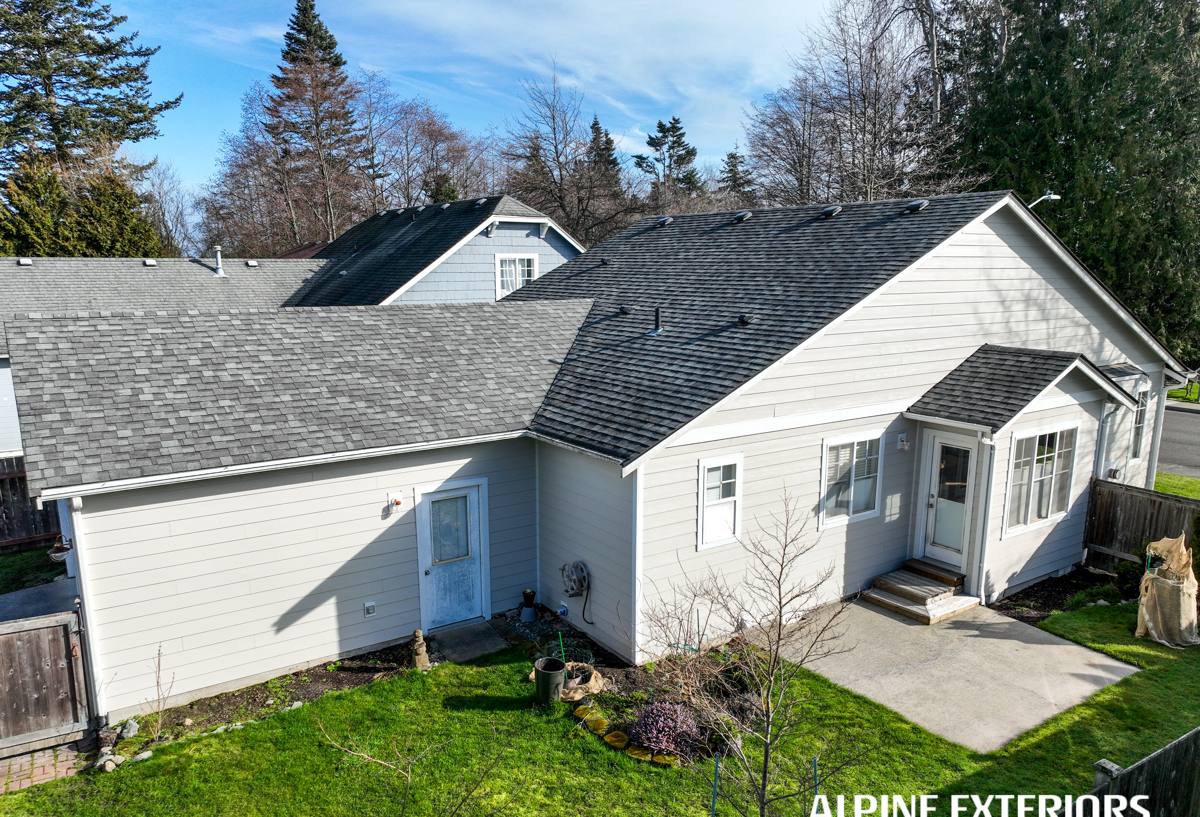
What Belleair's Climate Actually Does to a Roof
Every roofing material installed in this part of Florida deals with the same four stressors, and each one attacks a roof differently:
- Hurricane-force and straight-line winds — uplift at eaves, ridges, and rakes is where most storm damage starts, and it's a fastening and edge-detail problem more than a material problem.
- Intense, near-constant UV exposure — Florida sun degrades organic materials and breaks down surface coatings faster than in most of the country, which is why product warranties written for northern climates often don't hold up here.
- Wind-driven rain — Pinellas County storms rarely fall straight down. Rain gets pushed sideways and upward under laps and around penetrations, which is why flashing and underlayment matter as much as the roof covering itself.
- Salt air — even a few miles inland from the Gulf, airborne salt accelerates corrosion on any exposed metal, from fasteners to flashing to the roofing panels themselves if the wrong alloy or coating is used.
A metal roof handles all four of these better than most materials, but only when the metal, the coating, and the installation details are matched to this exact environment. That's the part that gets skipped when a crew treats a Belleair metal roof like it's the same job as one 500 miles inland.
Metal Roofing Systems We Install
"Metal roofing" isn't one product — it's a category, and the differences matter a lot in a coastal, high-wind area. Here's how the main options compare for a Belleair home:
| System | How It's Fastened | Wind Performance | Best Fit |
|---|---|---|---|
| Standing seam (concealed fastener) | Panels interlock at raised seams; fasteners are hidden under the seam | Strongest option — no exposed penetrations for wind or water to work against | Homes wanting maximum storm resistance and a clean, modern look |
| Metal shingle or tile profile | Interlocking panels fastened through the panel, staggered like traditional shingle courses | Very good when installed with proper clip spacing | Homeowners who want the look of shingle or tile with metal durability |
| Corrugated / exposed-fastener panel | Screwed directly through the panel face into the deck or purlins | Good, but exposed fasteners are the first thing to fail over time and need periodic re-torquing | Detached garages, sheds, porches, or budget-driven projects |
For primary residences in a wind- and salt-exposed area like Belleair, we lean toward standing seam or a quality interlocking shingle profile. Exposed-fastener panels have their place, but on a main house roof the long-term maintenance burden of exposed screws in a salt-air environment usually isn't worth what's saved up front.
Aluminum vs. Steel
Both are used successfully on the Gulf Coast. Aluminum won't rust because it doesn't contain iron, which makes it a strong choice directly along the coast. Steel (typically galvalume or galvanized, then painted) costs less and is plenty durable inland, but the coating and cut-edge protection matter more the closer a home sits to salt water. We'll talk through which makes sense for your specific location rather than defaulting to one or the other.
What a Correct Metal Roof Installation Actually Involves
Metal roofing has a reputation for being nearly maintenance-free, and it can be — but only if the installation underneath the visible panels is done right. Homeowners rarely see this part, which is exactly why it gets cut corners on lower-bid jobs.
Deck Inspection and Prep
The panels are only as good as what they're fastened to. We check the decking for soft spots, rot, and proper thickness before anything goes down, and replace what needs replacing rather than fastening a new roof over a compromised deck.
Underlayment
A high-temperature-rated synthetic or self-adhered underlayment goes down first. In a wind-driven-rain climate like this one, underlayment is the backup system that keeps a home dry if wind ever forces water past a lap or fastener — it's not optional, and it's not the place to save money.
Fastening and Clip Spacing
Standing seam panels attach through concealed clips, and the spacing of those clips is engineered to the wind uplift rating required for the site — not a generic "one size fits all" pattern. This is where a lot of the real wind resistance actually comes from.
Flashing and Penetration Details
Valleys, wall transitions, pipe boots, and chimney flashing are where leaks start on almost every roof, metal or otherwise. These get custom-formed and properly lapped, not covered over with a bead of sealant as a shortcut.
Ventilation
Metal roofs perform better and last longer with proper attic ventilation behind them. We check and correct ridge, soffit, and intake ventilation as part of the job rather than treating it as a separate line item to skip.
Our Process, Start to Finish
- Free on-site evaluation — we look at your existing roof, deck condition, and any problem areas before recommending a system.
- Written estimate — a clear scope and price, with the metal type, gauge, and finish specified — no vague "metal roof" line item.
- Permitting — pulled through the appropriate local building department before work starts.
- Tear-off and deck repair — old roofing removed, decking inspected and repaired as needed.
- Underlayment and flashing installation — the parts that determine whether the roof actually stays watertight.
- Panel installation — fastened to the wind-uplift spec required for your location.
- Final walkthrough and cleanup — including a magnetic sweep for stray fasteners and debris removal.
Long-Term Performance: What to Expect
A properly installed metal roof in this climate is largely a low-maintenance system, but "low-maintenance" doesn't mean "no maintenance." A simple annual check catches small issues before they become expensive ones:
- Visual check of seams, flashing, and penetrations after storm season
- Clearing debris from valleys and around roof penetrations
- Checking exposed fasteners (if your system has them) for backing out or corrosion
- Confirming gutters and downspouts are directing water away from the foundation
- Watching for any scuffed or scratched coating near walked areas, since exposed bare metal can corrode faster in salt air
We're happy to walk a homeowner through what to look for, or handle these checks directly if you'd rather not get on the roof yourself.
What Affects the Cost of a Metal Roof in Belleair
| Factor | Why It Matters |
|---|---|
| Panel system (exposed-fastener vs. standing seam) | Concealed-fastener systems cost more up front but need less long-term maintenance |
| Metal type and gauge | Heavier gauge and coastal-grade coatings cost more but resist corrosion and denting longer |
| Roof complexity | Valleys, dormers, and multiple roof planes take more custom flashing and labor than a simple gable roof |
| Deck condition | Rot or soft decking found during tear-off adds repair cost that can't always be predicted before the roof is opened up |
| Wind uplift rating required | Homes closer to the coast or with certain roof geometries need tighter fastening patterns, which affects labor |
Metal roofing costs more up front than asphalt shingles, generally by a meaningful margin. The trade-off is a system rated for decades of service in exactly the conditions Belleair sees every year, rather than a product designed for milder climates and expected to be replaced on a shorter cycle.
Permits, Wind Codes, and Insurance
Pinellas County enforces Florida Building Code wind-uplift and product-approval requirements, and coastal areas like Belleair often fall under stricter wind design pressures than inland parts of the county. We pull the required permits and install to the wind rating your specific site calls for — not a generic standard. Many insurers also offer credits for wind-mitigation features like a properly rated metal roof, which is worth asking your agent about once the job is documented and inspected.
Why a Crew That Already Works Belleair Makes a Difference
Roofing crews who mostly work inland, milder climates tend to under-detail flashing and underlayment because it's never been tested by real coastal wind and rain. A crew that regularly works Pinellas County's barrier-island and near-coastal communities has already seen what fails here — under-lapped flashing, exposed fasteners left un-serviced, ventilation skipped to save time — and builds around those failure points as standard practice, not an upsell. That local pattern recognition is worth more than it sounds like on paper; it's the difference between a roof that performs as designed in the next storm and one that doesn't.
If you're weighing metal roofing for a home in Belleair, we're glad to come take a look, answer questions honestly — including where metal isn't the right fit — and put together a straightforward estimate. There's no pressure and no obligation, just a clear look at what your roof actually needs.