 Largo Siding
 Roofing Built for Belleair's Coastal Conditions
Belleair sits close enough to the water that every roof on the street feels the same weather at once: salt-laden air rolling in off the Gulf, sun that doesn't let up for most of the year, and the real possibility of hurricane-force wind gusts during storm season. A roof that would hold up fine in a landlocked climate can wear out years early here if it wasn't installed with those conditions in mind. When we install a new roof for a Belleair or Largo homeowner, we're not just covering a house — we're building a system that has to survive UV breakdown, wind uplift, and wind-driven rain working on it simultaneously, year after year.
That's the difference between a roof that's "put on" and one that's actually installed correctly for this part of Pinellas County. The materials, the fastening pattern, the underlayment, and the flashing details all matter more here than they would somewhere with milder weather.
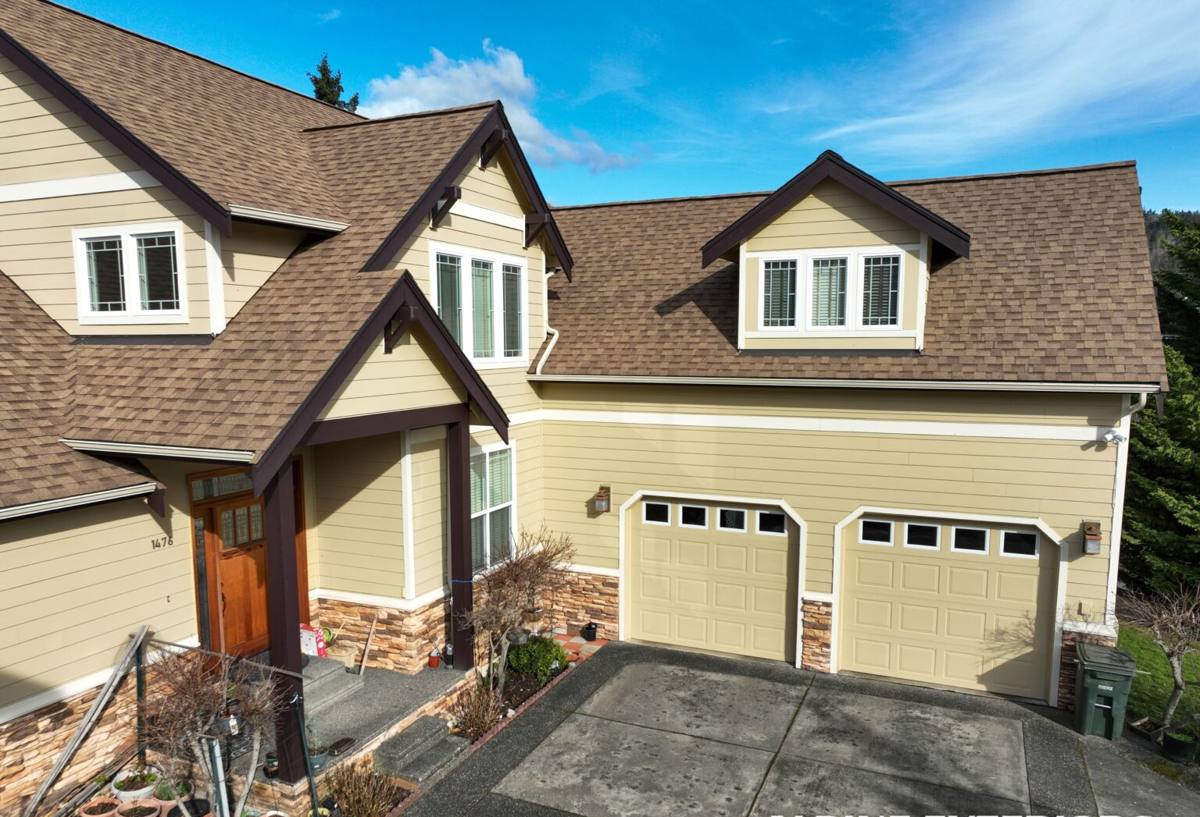
Signs a Belleair Home Needs a New Roof
Roofs rarely fail all at once — they show warning signs first. If you're seeing any of the following, it's worth having someone take a real look rather than waiting for a leak to force the issue:
- Shingles that are cupping, curling at the edges, or missing granules (you'll often see the grit collecting in gutters)
- Cracked, lifted, or missing shingles after a windy afternoon storm
- Soft spots or sagging when walked on, which usually points to deck damage underneath
- Daylight visible through the roof deck from the attic, or damp insulation
- Streaking, dark patches, or algae growth across large sections of the roof
- Rusted or lifted flashing around chimneys, vents, and skylights
- A roof that's 18-20+ years old, regardless of how it looks from the ground
Age matters even when a roof "looks fine" from the driveway, because UV exposure and salt air degrade asphalt and adhesives from the inside out. A roof that's aged out structurally can still look presentable right up until it starts leaking.
What a Correct New Roof Installation Actually Involves
Tear-Off and Deck Inspection
A proper new roof starts with a full tear-off down to the deck — not a layer installed over the old one. That's the only way to actually inspect the plywood or OSB decking underneath for rot, delamination, or soft spots, especially around old flashing points where water tends to find its way in over time. Any damaged decking gets replaced before anything new goes down. Skipping this step is one of the most common shortcuts in the industry, and it's the one most likely to cause problems later.
Underlayment and Water Barrier
In a coastal Florida climate, the underlayment is doing more work than people realize. We use a synthetic or self-adhering underlayment system suited to wind-driven rain, with extra attention at valleys, eaves, and any low-slope transitions where water pressure builds up during a storm. This layer is what protects the house if wind ever lifts or damages the primary roofing material.
Flashing and Penetrations
Chimneys, vent pipes, skylights, and wall-to-roof transitions are where the overwhelming majority of roof leaks actually start — not in the open field of shingles. New flashing, properly lapped and sealed, gets installed at every one of these points rather than reused or caulked over.
Ventilation
A hot, poorly ventilated attic shortens the life of a new roof from underneath, cooking the underlayment and shingles from below while the sun works on them from above. We check and correct intake and exhaust ventilation as part of the installation, not as an afterthought.
Choosing a Roofing Material for Belleair's Climate
There's no single "best" roofing material for every home — it depends on budget, the look you want, and how much of the coastal wear-and-tear you want to design around. Here's how the common options stack up for a Belleair or Largo property:
| Material | Wind Performance | Salt/UV Durability | Typical Lifespan |
|---|---|---|---|
| 3-tab asphalt shingle | Lower wind rating | Fades and wears faster in direct coastal sun | 12-18 years |
| Architectural (dimensional) asphalt shingle | Higher wind rating, good with proper nailing | Better UV and algae resistance than 3-tab | 20-30 years |
| Standing seam metal | Excellent, among the best for uplift resistance | Very good; coated finishes resist salt corrosion well | 40-50+ years |
| Concrete or clay tile | Very good when properly fastened, but individual tiles can crack under debris impact | Excellent against UV and salt | 40-50+ years |
For most Belleair and Largo homeowners replacing an aging asphalt roof, we lean toward architectural shingles rated for high wind as the practical, budget-conscious choice, and metal for owners who want the longest possible service life and are willing to pay more up front for it. Whatever material you choose, correct installation matters more to its real-world performance than the brand name on the wrapper.
Wind Ratings, Permits, and Florida Building Code
Pinellas County enforces the Florida Building Code's high-velocity wind provisions, and Belleair and Largo both sit within that jurisdiction. That means a new roof isn't just a matter of picking a material and nailing it down — the fastening schedule, underlayment type, and even the permit and inspection process are governed by wind-uplift requirements specific to this part of the state. A roof installed to code here is a meaningfully different product than the same shingle installed to minimum code somewhere inland.
A legitimate roofing job on your property should always be permitted and inspected. That paperwork isn't a formality — it's what protects you if there's ever a dispute with an insurance company after a storm, and it's what confirms the roof was actually installed the way it's supposed to be, not just the way that was fastest.
Our New Roof Installation Process
- On-site inspection and estimate. We look at your current roof, the deck condition where visible, attic ventilation, and any problem areas before quoting anything.
- Material selection. We walk through the tradeoffs above based on your budget and how long you want the roof to last, with no pressure toward the most expensive option.
- Permitting. We pull the required permit before work begins, as required in Pinellas County.
- Tear-off and deck repair. Full removal of the old roofing, with any damaged decking replaced and documented.
- Underlayment, flashing, and installation. Installed to the fastening and wind-uplift standards required for this area.
- Cleanup. Full site cleanup, including a magnetic sweep for nails and debris removal.
- Final walkthrough and inspection. We review the finished roof with you and coordinate the required county inspection.
Why a Crew That Already Works in Belleair Matters
Roofing crews that work all over the state, or that fly in for storm work and then leave, don't have the same stake in getting it right locally. A crew that regularly works in Belleair and Largo knows the Pinellas County permitting office, understands what the local wind and flashing requirements actually look like in practice, and is still going to be around if a warranty question comes up in a few years. That local presence matters more here than in most trades, because a roof problem you don't catch for a year can mean a year of slow water intrusion into decking and framing.
It also means fewer surprises during the estimate. We're not guessing at what Pinellas County inspectors want to see, and we're not learning coastal installation details for the first time on your roof.
What a New Roof Costs, and What Changes the Number
Every roof is different, and we won't put a number on yours without seeing it, but the honest range depends on a handful of factors that we'll walk through during your estimate:
| Factor | How It Affects Cost |
|---|---|
| Roof size and complexity | More squares, valleys, dormers, and roof lines mean more labor and material |
| Material chosen | Architectural shingle, metal, and tile carry different material and labor costs |
| Deck condition | Rotted or damaged decking found during tear-off adds repair cost, but shouldn't be skipped |
| Roof pitch and access | Steep or hard-to-access roofs take longer and require more safety setup |
| Number of penetrations | Chimneys, skylights, and vents each need proper flashing work |
We'd rather walk your roof and give you real numbers than post a price range online that doesn't apply to your house. The estimate is free either way.
Ready to Talk About Your Roof?
If your roof is showing its age, took a hit in a recent storm, or you just want an honest opinion on how much time it has left, we're glad to come take a look. There's no pressure and no obligation — just a straight answer about what your Belleair or Largo home actually needs. Use the form below to request your free estimate.