 Largo Siding
 Building a Deck That Actually Holds Up in Belleair
Belleair sits close enough to the water that every outdoor structure on a property feels the effects of it — salt-laden air, intense year-round UV, wind-driven rain, and the occasional hurricane-force gust. A deck built with generic, big-box specifications might look fine for a season or two, then start showing the classic signs of coastal wear: cupped boards, rusted-out fasteners, loose railings, and a substructure that's quietly rotting where nobody can see it. Building a deck for a Belleair home isn't fundamentally different from building one anywhere else in the country, but the details that separate a deck that lasts 20+ years from one that needs major repairs in five are exactly the details coastal Pinellas County conditions expose fastest.
This page covers what actually matters when you're planning a custom deck in Belleair — material choices, structural details, hardware, permitting, and what our process looks like from first call to final walkthrough.
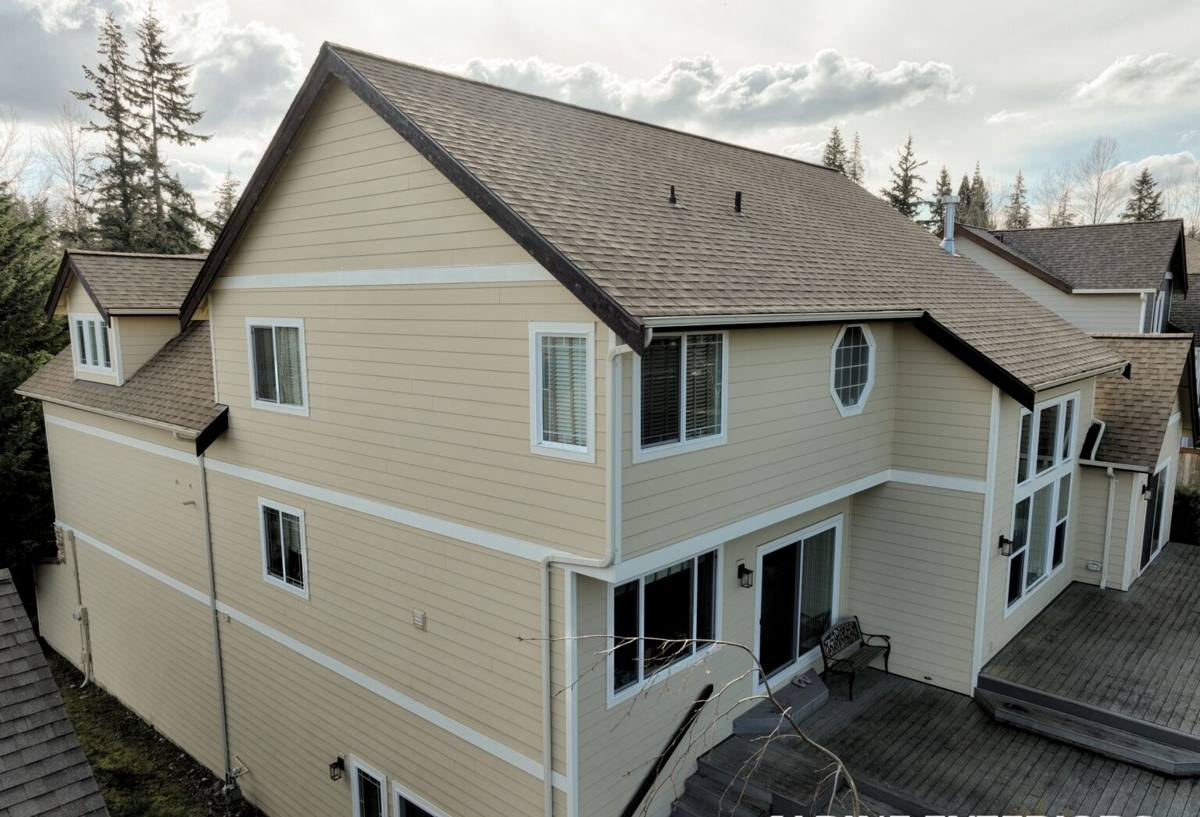
What Belleair's Climate Actually Does to a Deck
It helps to understand the specific stresses at work, because they drive nearly every decision that follows.
Salt Air and Corrosion
Airborne salt doesn't need direct ocean spray to do damage — it travels on the wind and settles on every exposed surface, including fasteners, connectors, and railing hardware. Standard hot-dip galvanized screws and brackets that hold up fine inland can start corroding within a couple of years this close to the coast.
UV Exposure
Florida sun is intense nearly year-round, not just in summer. UV breaks down the lignin in wood fibers, fades composite decking's surface color over time, and dries out sealants and finishes faster than manufacturers' generic maintenance schedules assume.
Wind-Driven Rain and Moisture
Afternoon storms in Pinellas County don't fall straight down — wind pushes rain sideways and underneath structures, which means ledger boards, joists, and post bases take on more moisture exposure than a simple rainfall total would suggest. That moisture, combined with heat and humidity, is a near-perfect setup for rot and fungal decay if the framing isn't detailed correctly.
Hurricane-Force Wind Loads
A deck isn't just a platform — it's a structure that has to resist uplift and lateral load in a storm. Railings, stair stringers, and the connection between the deck and the house all need to be engineered with that in mind, not just built to hold static weight.
Choosing Decking Material for a Belleair Property
There's no single "best" decking material for every homeowner — it depends on budget, maintenance tolerance, and how the space will be used. Here's an honest comparison based on how each performs specifically in this climate.
| Material | Coastal Performance | Maintenance | Trade-Offs |
|---|---|---|---|
| Pressure-treated pine | Good if properly sealed and maintained; needs vigilance | Annual cleaning and resealing recommended | Lowest upfront cost, but the ongoing maintenance burden is real in this climate |
| Tropical hardwood (e.g., ipe) | Excellent natural density resists rot and insects | Periodic oiling to maintain color; will gray without it | Higher material cost and more installation sensitivity — fastening dense hardwood correctly matters |
| Composite decking | Very good; resists rot and doesn't need sealing | Occasional washing; no staining or sealing | Higher upfront cost than wood; quality varies significantly by manufacturer and product line |
| PVC/cellular decking | Excellent moisture resistance, fully synthetic | Lowest maintenance of the group | Highest material cost; can run hotter underfoot in direct sun |
For most Belleair homeowners, the decision comes down to whether they'd rather pay more upfront for a lower-maintenance material or accept a maintenance routine in exchange for a lower initial cost. We'll walk through that trade-off honestly during your estimate rather than pushing whatever has the best margin.
Framing and Structural Details That Matter Here
The decking surface is what you see, but the framing underneath is what determines whether the deck survives storm season after storm season. A few details we treat as non-negotiable on every Belleair project:
Ledger Board Flashing
Where the deck attaches to the house, proper flashing keeps wind-driven rain from working its way behind the ledger board and into the house's rim joist or sheathing. This is one of the most common failure points on older or poorly built decks, and it's often invisible until there's already rot underneath.
Joist Protection
Joist tape or an equivalent moisture barrier over the top of each joist keeps water from soaking into the wood through fastener penetrations — a small step that meaningfully extends framing life in a climate this humid.
Post Bases and Footings
Posts set directly in concrete or in contact with standing water rot from the inside out. Elevated post bases that keep wood off wet ground, combined with footings sized for Pinellas County soil and frost-free depth requirements, are standard on our builds.
Railing and Guard Connections
Railings take direct wind load and also get leaned on, sat on, and grabbed constantly. We connect them with hardware rated for the load, not just whatever's fastest to install.
Fasteners and Hardware: The Detail That Fails First
If a coastal deck is going to have a premature failure, it's usually the hardware, not the lumber or decking itself. Standard zinc-plated screws and brackets can start showing rust within a year or two of salt air exposure. We use stainless steel or coated fasteners rated for coastal/marine-grade exposure, along with corrosion-resistant structural connectors at every load-bearing point — hurricane ties, joist hangers, and post-to-beam connections included. It costs more than the hardware aisle special at a big-box store, but it's the difference between a deck that's structurally sound at year 15 and one that needs its railings rebuilt at year 5.
Permitting in Largo and Pinellas County
Most custom deck projects in this area require a building permit, and elevated decks typically need engineered plans showing footing size, framing spans, and railing details. Permitting exists for a good reason here — it's the mechanism that ensures a deck can actually resist Florida wind loads, and it protects you if you ever sell the home and a buyer's inspector checks for permitted work. We handle the permitting process as part of the job: preparing the documentation, submitting to the local building department, and scheduling the required inspections, so you're not left chasing paperwork.
Our Process for a Belleair Deck Project
- On-site consultation. We walk the property, talk through how you'll use the space, and take measurements and site conditions into account, including drainage, sun exposure, and proximity to the water.
- Material and design discussion. We go over decking material options, layout, and railing style, with honest pros and cons for your specific budget and maintenance preferences.
- Written estimate. You get a clear, itemized proposal before any work starts — no vague allowances that turn into surprise costs later.
- Permitting and engineering. We prepare and submit the paperwork required by the local building department and schedule inspections.
- Construction. Framing first, with all the moisture and corrosion protection details built in, then decking, railings, and finish work.
- Final walkthrough. We inspect the completed deck with you and make sure everything meets both code and your expectations before calling the job done.
Protecting Your Investment After Installation
Even a well-built coastal deck needs some ongoing attention. Here's what we recommend regardless of which material you choose:
- Rinse off salt residue and debris every few weeks, more often if the deck is close to the water or gets heavy tree cover
- Check railings and stair connections annually for looseness — wind load and regular use can work fasteners over time
- Inspect fastener heads and visible hardware yearly for early signs of corrosion, especially near the coast
- Reseal or oil wood decking on the manufacturer's recommended schedule, not just when it looks faded
- Keep gutters and downspouts clear so runoff isn't dumping extra water onto or under the deck
- Clear debris from underneath the deck periodically to keep airflow moving and reduce trapped moisture
A little routine attention goes a long way toward avoiding the kind of deferred maintenance that turns into a costly rebuild.
Why Local Experience in Belleair Matters
A deck contractor who's worked on homes throughout Largo and the surrounding Pinellas County communities, including Belleair, already knows what this specific coastal environment does to structures over time — not from a manufacturer's spec sheet, but from having built, repaired, and inspected decks that have actually lived through hurricane seasons here. That translates into practical judgment calls: which fastener grade is worth the upcharge, where flashing details matter most, how footings should be sized for local soil, and which permitting steps the county will actually ask for. It also means we're a known, reachable local business if you ever have a question or need a warranty item addressed — not a crew that pulled a permit and moved on to the next county.
If you're considering a custom deck for your Belleair home, we're happy to walk the property, talk through material options honestly, and put together a written estimate with no pressure to sign anything on the spot. Use the form below to request your free estimate.