 Largo Siding
 Belleair's Roofs Work Harder Than Most
Belleair sits close to the water on the Pinellas County coast, just outside Largo, and that proximity changes what a roof has to survive. Homes here take on stronger, more consistent wind loads off the Gulf and Intracoastal side, more direct salt-laden air, and the same relentless Florida sun and summer storm pattern that wears down every roof in this county — just with an extra edge from the coastal exposure. A roof replacement in Belleair isn't the same job as one a few miles inland, and treating it that way is how homeowners end up with a roof that looks fine for a year or two and then starts failing at the fasteners, flashing, and edges first.
We work throughout Largo and the surrounding Pinellas communities, and Belleair roofs are a regular part of that work. That matters because the right approach here isn't generic — it's shaped by wind uplift resistance, corrosion-resistant hardware, and moisture management decisions that a crew unfamiliar with this specific coastal stretch might not prioritize correctly.
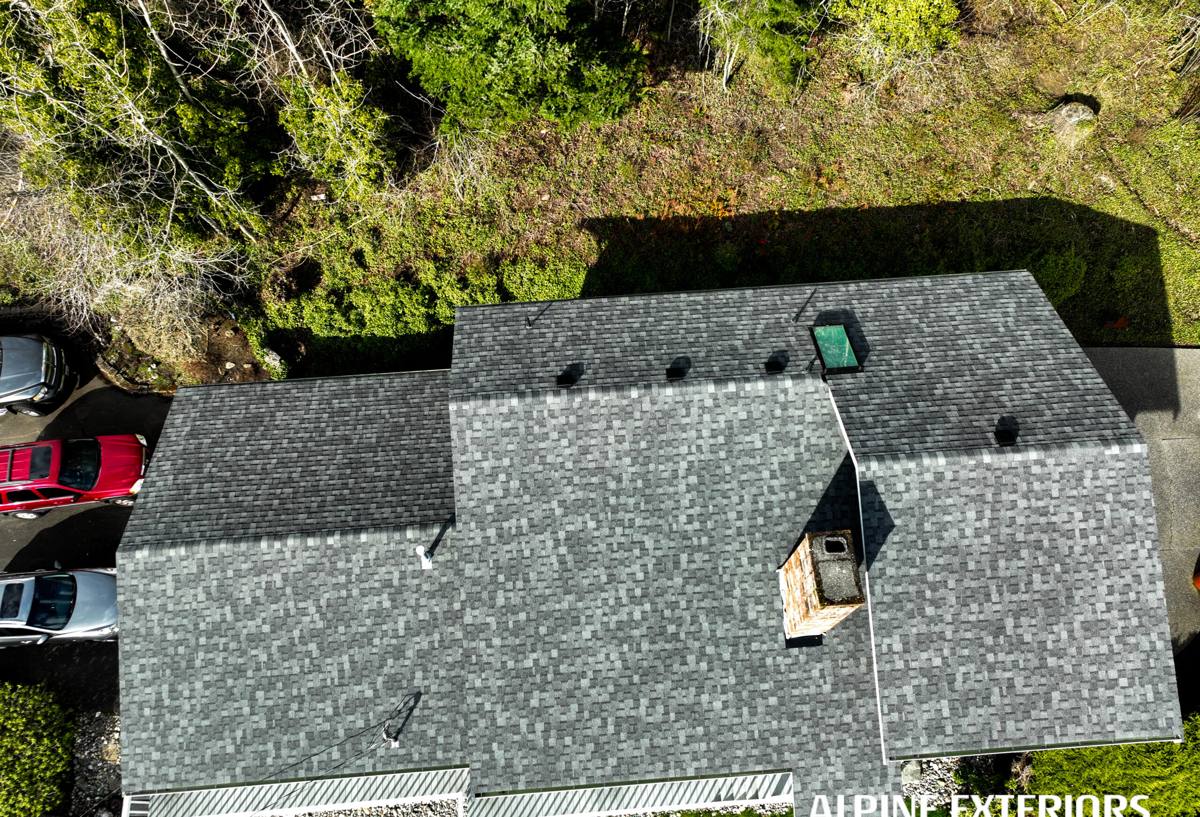
What the Climate Actually Does to a Belleair Roof
Hurricane-Force Wind
Pinellas County sits in a high-velocity hurricane zone, and Belleair's closeness to open water means gusts can arrive with less obstruction than they would further inland. Wind doesn't just strip shingles — it gets under edges and ridge caps, works into fastener holes, and turns a small lifted section into a much bigger failure during the next storm. A replacement done to code, not just to look right, is what actually holds up.
Year-Round UV Exposure
Florida sun is intense for most of the year, not just in summer. UV breaks down asphalt oils, fades color, and dries out sealants and underlayment faster than in most parts of the country. A roof rated for a 30-year lifespan elsewhere often performs closer to 20 here simply because of sun load.
Wind-Driven Rain
It's rarely rain falling straight down — Gulf-influenced storms push rain sideways, which means water finds its way under shingles, around vents, and behind flashing that would keep a roof dry in a calmer climate. Underlayment and flashing details matter more here than in drier, lower-wind regions.
Salt Air
Being close to the coast means airborne salt settles on roofing metal, fasteners, and vents. Standard hardware corrodes faster near the water, which is why material and fastener choice for a Belleair roof should account for salt exposure specifically, not just general Florida weather.
Signs a Belleair Roof Needs Full Replacement, Not Another Repair
Repair makes sense for isolated damage. Replacement becomes the honest recommendation once the roof's overall condition — not just one spot — is compromised. Here's what we look for:
- Granule loss heavy enough that shingles look patchy or bald in multiple areas, not just one slope
- Shingles that are curling, cupping, or cracking across the field of the roof
- Soft spots or sagging in the roof deck when walked, which points to underlying wood damage
- Repeated leaks in different locations after past patch repairs
- Visible rusted or corroded flashing, vents, or fasteners
- A roof that's approaching or past its material's expected service life for this climate
- Missing or lifted shingles after any storm, especially in clusters
- Daylight visible through the attic decking or staining on interior ceilings
If only one or two of these apply and they're contained, repair is often the right call and the more honest answer. When several apply, or the deck itself is compromised, patching becomes a short-term fix that costs more over time than doing the replacement correctly once.
What a Correct Roof Replacement Involves
Full Tear-Off, Not Overlay
Installing new shingles over old ones is faster and cheaper, but it hides deck problems, traps moisture, and voids most manufacturer warranties. In a wind and rain climate like this one, a second layer also adds weight and reduces wind performance. A proper replacement means stripping the roof to the deck.
Deck Inspection and Repair
Once the old roofing is off, the plywood or wood plank deck underneath gets inspected panel by panel. Any wood that's soft, delaminated, or water-stained gets replaced before anything new goes down — this is the step that gets skipped by crews trying to move fast, and it's the one that determines whether the new roof actually lasts.
Underlayment That Matches the Exposure
Given the wind-driven rain this area sees, underlayment choice matters more than a checkbox item. Synthetic underlayment with proper overlap, or self-adhering membrane in vulnerable areas like valleys and eaves, gives the roof a real second line of defense if wind ever forces water under the top layer.
Flashing and Fastening
Flashing around chimneys, vents, skylights, and roof-to-wall transitions is where most leaks actually originate — not the open field of shingles. Correct flashing installation, combined with corrosion-resistant fasteners suited to salt air exposure, is non-negotiable for a coastal Pinellas County home.
Ventilation
Proper attic ventilation keeps roof temperatures and moisture in check, which extends shingle life and helps prevent deck rot. It's easy to overlook because it doesn't show from the ground, but it directly affects how long the rest of the work lasts.
Code-Compliant Wind Resistance
Pinellas County follows Florida's High-Velocity Hurricane Zone-influenced building code requirements, which dictate fastening patterns, underlayment, and in many cases specific product ratings. A replacement done to code isn't optional detail — it's what determines how the roof performs in the next major storm and whether it holds up for an insurance claim if something does go wrong.
Roofing Material Options for Belleair Homes
There's no single "best" material — the right choice depends on budget, the home's style, and how much long-term maintenance the owner wants to take on. Here's an honest comparison of the main options we install in this area:
| Material | Typical Lifespan Here | Coastal Performance | Maintenance |
|---|---|---|---|
| Architectural asphalt shingle | 18-25 years | Good with proper wind-rated installation | Low to moderate |
| 3-tab asphalt shingle | 12-18 years | Lower wind resistance than architectural | Low |
| Standing seam metal | 30-50 years | Excellent wind uplift resistance; needs coastal-rated fasteners and coating | Low |
| Concrete or clay tile | 30-50 years | Very good if fastening and underlayment are done correctly; heavier structural load | Moderate |
Architectural shingles remain the most common choice for good reason — a strong balance of upfront cost, wind rating, and appearance. Metal and tile cost more initially but can make sense for homeowners planning to stay long-term or wanting to minimize future replacement cycles. We'll walk through the honest trade-offs for your specific home rather than steering everyone toward the same product.
How Our Roof Replacement Process Works
- Inspection and estimate. We assess the current roof, deck condition where visible, and any problem areas, then give a clear written estimate — no pressure, no inflated scare tactics.
- Material selection. We go over options suited to your home and budget, including how each performs specifically under coastal wind and salt exposure.
- Permitting. We handle the permit process through the appropriate local building department so the work is documented and inspected correctly.
- Tear-off and deck inspection. Old roofing comes off completely, and the deck is checked and repaired before anything new is installed.
- Underlayment and flashing installation. This is where leak prevention actually happens, and we don't rush it.
- New roofing installation. Installed to manufacturer specifications and current wind-rating code requirements for this county.
- Final inspection and cleanup. We walk the finished roof, confirm everything meets code, and clear the site of debris and old materials.
We keep homeowners informed at each stage rather than disappearing until the invoice — if something unexpected turns up under the old roofing, like deck rot, we show you before we fix it, not after.
Permits, Wind Mitigation, and Insurance
Pinellas County requires permits for roof replacement, and inspections are part of that process — this isn't paperwork you want to skip, since an unpermitted roof can create real problems at resale or with an insurance claim later. A new roof also typically qualifies a home for an updated wind mitigation inspection, which can lower windstorm insurance premiums by documenting improved fastening, roof shape, and secondary water resistance features. It's worth asking your insurance agent about this once the new roof is complete — the savings can be meaningful over a few years and help offset the replacement cost.
What Affects the Cost of a Belleair Roof Replacement
| Factor | Why It Matters |
|---|---|
| Roof size and pitch | More material and labor for larger or steeper roofs |
| Material choice | Asphalt, metal, and tile carry very different material and labor costs |
| Deck condition | Rotted or damaged decking found during tear-off adds repair cost |
| Roof complexity | Valleys, dormers, chimneys, and skylights add flashing and labor time |
| Underlayment upgrade | Self-adhering membrane in vulnerable areas costs more than standard felt or synthetic |
| Permit and disposal fees | Local permitting and hauling away old roofing are part of the total job cost |
Because of these variables, we don't quote roof replacements over the phone with a flat number — an accurate estimate needs to account for your specific roof, and we'll give you that in writing after seeing it in person.
Why It Matters That We Already Work in Belleair
A crew that regularly works this stretch of Pinellas County knows the practical realities that don't show up in a spec sheet — which fastener types actually hold up against salt air over years, how local building department inspections typically go, and how homes here are commonly built and how their roof lines behave in wind. That familiarity translates into fewer surprises during the job and a roof that's specified correctly the first time, rather than a generic installation that happens to be located near the coast.
If your roof is showing its age or storm damage, we're happy to take a look and give you a straight assessment — repair if that's genuinely the right call, replacement if it isn't. Reach out for a free, no-pressure estimate using the form below.