 Largo Siding
 Siding Repair Built for Belleair's Coastal Exposure
Belleair sits close enough to the Gulf that its homes take on a different kind of weathering than houses just a few miles inland. Salt-laden air moves through the area constantly, intense sun bakes exterior surfaces nearly every day of the year, and when a tropical system or a strong summer squall line rolls through, wind-driven rain gets forced sideways into every seam, joint, and fastener point on a home's exterior. Siding here doesn't fail gradually and evenly — it fails at the weak points first, and those weak points are usually hidden until someone knows where to look.
We handle siding repair for homes throughout the Belleair area as part of our broader work across Largo and Pinellas County. This page covers what repair actually involves here, what correct work looks like, and how our process runs from first call to finished wall.
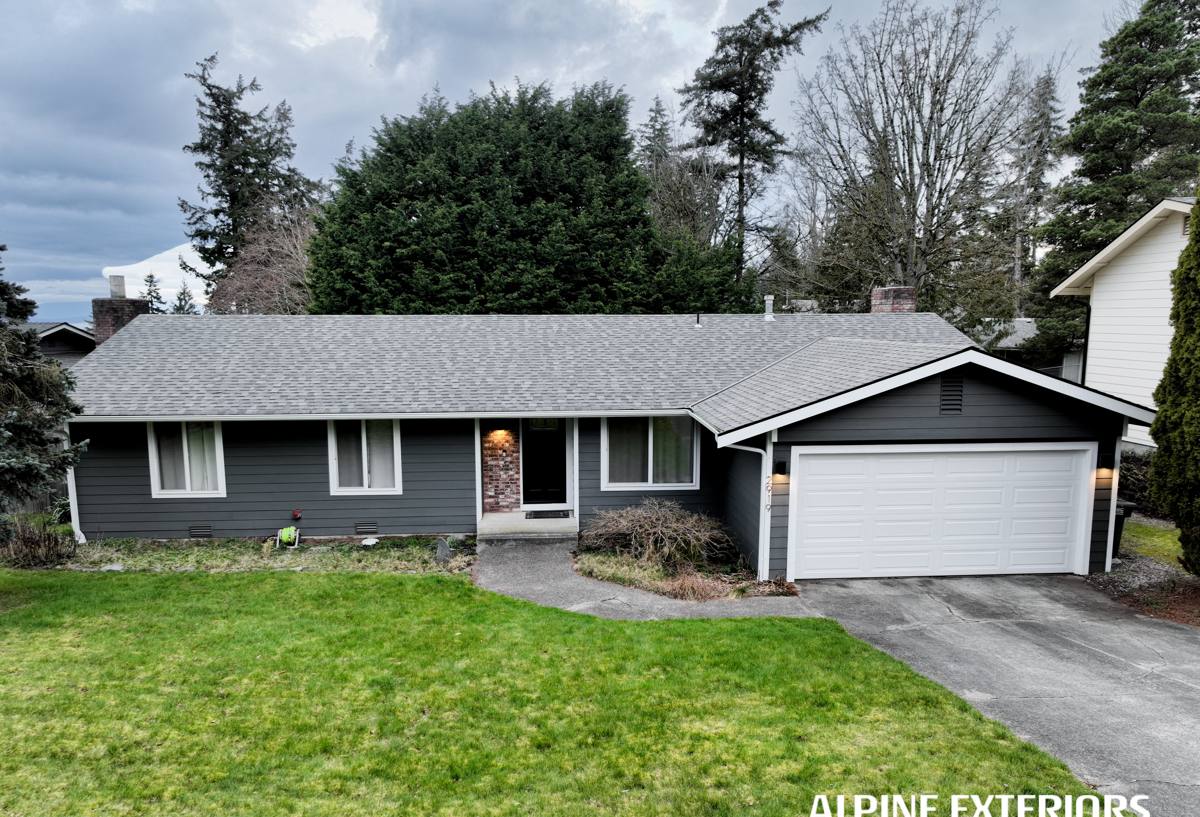
Why Belleair Siding Wears Differently
Salt Air and Corrosion
Homes within a few miles of the Gulf and Intracoastal waterways are exposed to airborne salt that settles on exterior surfaces and accelerates corrosion of anything metal — nail heads, flashing, trim fasteners, and hose bib penetrations. Once a fastener starts to corrode, it loses holding power, and the siding panel around it starts to work loose. On older or lower-grade siding materials, that corrosion cycle can also stain the surface and, in the case of some wood and composite products, contribute to softening at the fastener point.
UV Exposure
Florida sun is intense and nearly constant. Painted and lower-grade siding surfaces chalk, fade, and lose their protective sheen faster here than in most of the country, which leaves the substrate underneath more exposed to moisture. Repeated expansion and contraction from heat cycling also stresses caulked joints and seams over time.
Wind-Driven Rain and Hurricane Gusts
Belleair's proximity to open water means it can see higher sustained winds and gustier squall activity than more sheltered inland neighborhoods. Wind doesn't just push rain against a wall — it drives it upward and sideways, forcing water behind panels, through gaps at trim boards, and into any seam that wasn't sealed or lapped correctly the first time. Even short, intense summer storms can find their way into a compromised section of siding that a light rain never would.
Moisture and Humidity
Combine salt air, heat, and high humidity, and you get an environment where any moisture that gets behind siding stays wet longer and does more damage before anyone notices. This is the core reason repair timing matters so much here — a small problem in spring can be a rotted wall section by hurricane season if it's ignored.
What Siding Repair Actually Involves
A proper repair is not just "replace the bad piece and caulk it." It starts with figuring out why that piece failed, because if the underlying cause isn't addressed, the replacement fails the same way within a few seasons.
1. Diagnose the Cause, Not Just the Symptom
We look at the failed section and the surrounding area — Is the damage from a single impact (branch, debris, ladder), from long-term moisture intrusion, from a flashing or trim failure above the damaged section, or from fastener corrosion loosening panels in a wind event? Cracked or buckled panels near windows and doors often point to a flashing issue, not a siding defect, and that has to be fixed before new siding goes up or the same spot will fail again.
2. Inspect Behind the Siding
Once panels are pulled, we check the water-resistive barrier, sheathing, and framing behind the damaged area. Soft or discolored sheathing means the repair scope grows to include that structural layer — patching over compromised sheathing just hides a bigger problem.
3. Match or Upgrade the Material
If the home already has James Hardie fiber cement, matching color and profile is usually straightforward, especially with ColorPlus finished products where we can source an exact or close match. If the home has an older or different siding type, we'll talk through whether a spot repair in the original material makes sense or whether it's the point to start transitioning that section — or the whole elevation — to fiber cement.
4. Correct Installation of the Repair
Proper fastener placement, correct clearance at the bottom edge, sealed and lapped joints, and restored flashing details all matter as much on a repair as they do on a full installation. A repair done without attention to these details is just a shorter countdown to the next repair call.
Common Belleair Siding Problems We See
- Cracked or split panels near window and door trim, often tied to a flashing gap letting water behind the siding
- Buckled or bowed sections from fasteners that have lost their grip due to corrosion or repeated wet-dry cycling
- Soft, spongy, or visibly rotted siding near ground level, downspouts, or hose bibs where water sits longest
- Faded, chalking, or peeling painted siding that's lost its protective surface well ahead of schedule
- Gaps opening up at corner boards and trim joints after seasonal expansion and contraction
- Storm-related impact damage — dented, cracked, or missing panels after high wind events
- Nail heads or fastener corrosion staining bleeding through the siding surface
Repair vs. Replacement: How We Decide
| Factor | Favors Repair | Favors Full Replacement |
|---|---|---|
| Extent of damage | Isolated to one or two sections/elevations | Spread across multiple walls or the whole home |
| Underlying sheathing | Dry, sound wood behind the damaged panels | Widespread soft or rotted sheathing found in multiple spots |
| Age of existing siding | Newer material still within its expected service life | Original siding is decades old or a lower-grade product nearing end of life |
| Material match | Exact or close match available for a clean patch | Discontinued color/profile makes patches visibly obvious |
| Root cause | Single, correctable issue (one flashing detail, one impact) | Systemic issue — original installation errors repeating across the home |
We'll always give an honest read on which side of this table a given home falls on. There's no benefit to us pushing a full replacement when a targeted repair will genuinely hold up — and no benefit to patching a home that's going to keep generating repair calls every storm season.
Why We Only Work in James Hardie Fiber Cement
When repair work does turn into a full or partial replacement, we install James Hardie fiber cement exclusively. We don't install vinyl, LP SmartSide, Cemplank, Allura, or primed wood siding, and we're upfront about why: in a coastal Pinellas County climate, those products carry trade-offs — moisture sensitivity at cut edges and fastener points, shorter realistic service life under constant UV and salt exposure, or maintenance demands that don't match what most homeowners actually want to keep up with.
James Hardie fiber cement is non-combustible, holds its factory ColorPlus finish far longer than field-applied paint on other materials, and its HZ5 product line is engineered specifically for high-humidity, storm-exposed climates like this one. It's also backed by a strong transferable warranty when installed to Hardie's specifications — which is exactly how we install it, every time, including on repair sections tied into existing Hardie siding.
Our Repair Process, Start to Finish
- Inspection and diagnosis — We walk the affected area, identify the root cause, and check for hidden moisture or sheathing damage, not just the visible symptom.
- Honest scope and estimate — You get a clear explanation of what's actually wrong, what repair involves, and a straightforward cost range before any work starts.
- Material sourcing — For Hardie repairs, we source matching ColorPlus panels or trim; for transition/replacement scopes, we walk through Hardie color and profile options.
- Removal and inspection behind the siding — Damaged panels come off, the barrier and sheathing underneath get checked before anything new goes up.
- Correct reinstallation — Proper fastening, clearances, flashing, and sealed joints, installed to manufacturer spec.
- Final walkthrough — We review the completed repair with you before considering the job done.
Why a Crew That Already Works Belleair Matters
Repair work is more accurate when the crew doing it already understands the specific way this area's climate attacks siding. A contractor who mostly works inland neighborhoods may not immediately connect a cracked panel near a window to a coastal flashing pattern that shows up repeatedly on homes exposed to this level of wind and salt. Familiarity with local permitting expectations, common construction details in this part of Pinellas County, and the storm patterns that drive repair calls all shorten the path from "something's wrong with my siding" to a correct, lasting fix.
It also means faster response after a storm. When wind damage hits a neighborhood, having a crew that already knows the area and its typical siding conditions helps us prioritize and diagnose quickly instead of starting from zero on an unfamiliar property.
Maintenance That Extends the Life of a Repair
A well-executed repair still benefits from basic upkeep, especially in this climate:
- Rinse siding periodically to clear salt residue and airborne grime before it builds up
- Keep gutters and downspouts clear so water is directed away from siding, not down the wall
- Check caulked joints at trim and corners annually, especially after hurricane season
- Trim back vegetation that traps moisture against exterior walls
- Have a professional look at any new cracking, buckling, or staining early rather than waiting
Get a Straight Answer on Your Siding
If you're seeing cracked, buckled, discolored, or storm-damaged siding on a Belleair-area home, it's worth getting an honest inspection before the next round of Gulf-driven weather makes the problem worse. We'll tell you plainly whether it's a repair, a partial replacement, or something bigger — and if you do move to full replacement, we'll walk you through why James Hardie fiber cement is the only product we put our name behind. Request a free, no-pressure estimate using the form below and we'll take a look.