 Largo Siding
 Windows on Indian Rocks Beach Take a Different Kind of Beating
Indian Rocks Beach sits right on the Gulf, and that barrier-island exposure changes what a window has to survive compared to a home even a few miles inland in Largo. You've got salt-laden air working on hardware and finishes year-round, intense UV that degrades vinyl and seals faster than it does elsewhere in Pinellas County, wind-driven rain that finds its way through weak flashing during summer storms, and the real possibility of hurricane-force winds during the season. A window that's a fine choice in a shaded inland neighborhood can underperform fast when it's a block or two from the water.
We're a Largo-based crew that works Indian Rocks Beach regularly, so this isn't a one-time drive-out for us. We've seen how quickly weak seals fail out here, what kind of corrosion shows up on cheap hardware within a couple of years, and which installation shortcuts cause leaks around window openings on coastal homes. That local pattern recognition is worth more than any spec sheet when you're deciding what to put in your walls.
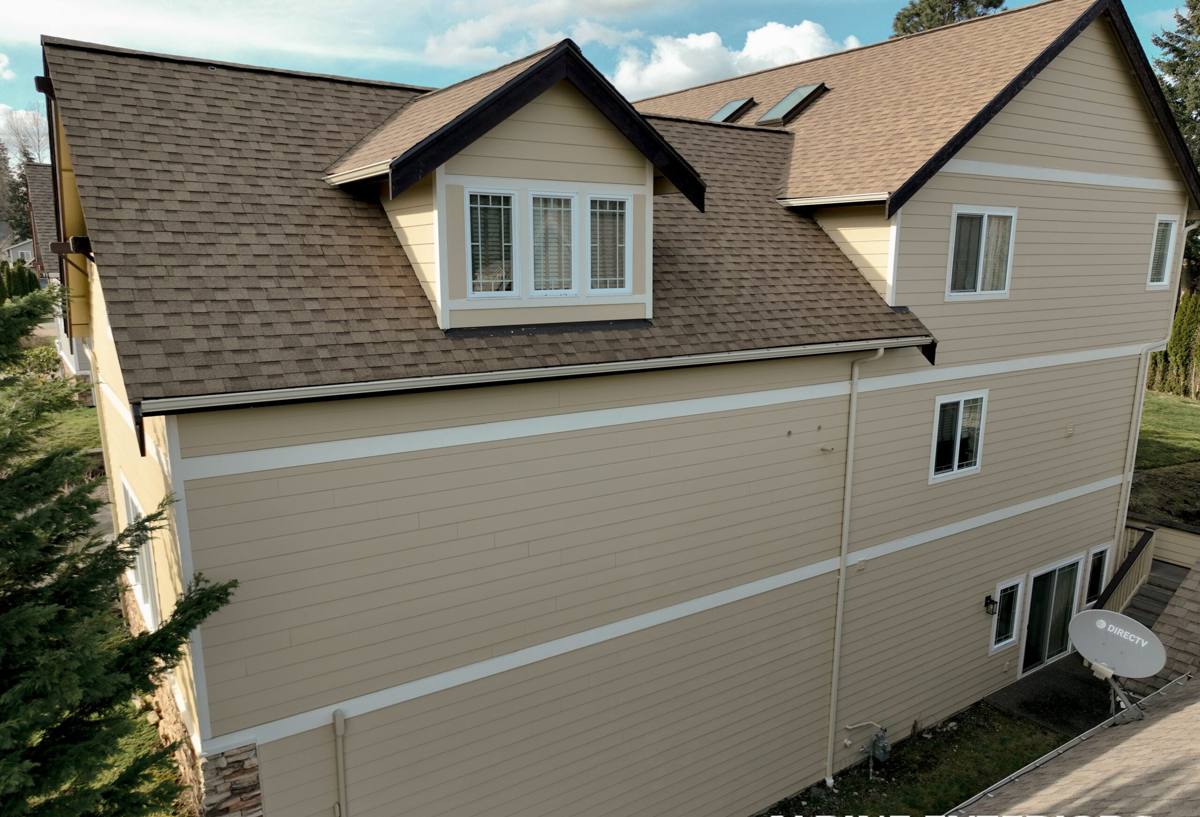
What Coastal Exposure Actually Does to a Window Over Time
Salt Air and Corrosion
Salt in the air settles on everything, including window frames, hardware, and screens. Lower-grade aluminum components and unprotected fasteners corrode faster near the beach than they would even a mile or two inland. This is one of the reasons hardware and frame material selection matters more here than in a typical suburban replacement job.
UV Breakdown
Florida sun is intense everywhere, but west-facing, unshaded coastal exposure on Indian Rocks Beach means some windows get hammered by direct sun for a large part of the day with little tree cover to soften it. Over years, UV exposure can cause vinyl frames to fade or become brittle and can dry out weatherstripping and sealants well before their expected lifespan.
Wind-Driven Rain and Pressure
Rain in a coastal storm doesn't just fall, it gets pushed sideways into the building envelope. If flashing, sealant, or the window's own drainage path isn't done correctly, water finds a way in around the frame long before the glass itself is ever tested. Wind pressure changes during storms also stress the frame and anchoring, which is why proper anchoring into sound framing matters as much as the window unit itself.
Wind Ratings and Building Code for This Area
Pinellas County follows the Florida Building Code's High-Velocity Hurricane Zone-adjacent wind-borne debris requirements for coastal areas, and homes on Indian Rocks Beach typically fall within a wind-borne debris region that requires impact-rated windows or an approved protection system. What that means in practice:
- Replacement windows generally need to meet local wind load and impact requirements, not just be "hurricane-rated" in a general sense
- Permit and inspection requirements apply to most window replacement work in Largo and unincorporated Pinellas County, including Indian Rocks Beach
- Older homes may have openings that no longer match current code sizing or anchoring requirements, which can affect installation approach
- Impact-rated glass can often replace the need for separate shutters, which matters for a lot of Indian Rocks Beach homes with tight side-yard clearances
We pull the required permits and coordinate inspections as part of the job. If you're not sure what your current windows are rated for, that's a normal starting point for a lot of homeowners here, not something to be embarrassed about.
What a Correct Window Replacement Involves Here
Removal Without Damaging the Opening
Old windows come out carefully so we're not tearing up the surrounding wall, stucco, or framing more than necessary. On older Indian Rocks Beach homes, we're also checking what we find once the old unit is out, since that's often the first real look anyone's had at the framing and sheathing behind it in years.
Checking the Opening and Substrate
Salt air and years of minor leaks can cause hidden wood rot or corrosion around a window opening that isn't visible from outside. Before a new window goes in, that substrate needs to be sound. Installing a new window into a compromised opening just guarantees another failure down the road, so this step doesn't get skipped.
Flashing and Water Management
This is the step that determines whether a window leaks in five years or holds up for decades. Proper flashing tape, correctly lapped with the house wrap or building paper, and a sealant approach that lets water drain out rather than trap it, is what actually keeps wind-driven coastal rain out of your walls.
Anchoring for Wind Load
Impact and wind-rated windows are only as good as their anchoring. Fasteners, spacing, and embedment into structural framing all need to match the window's rated installation instructions and local code, not a generic approach used everywhere regardless of exposure.
Sealing and Finish Work
Interior and exterior sealant, trim, and finish work close out the job. On coastal homes we pay particular attention to exterior sealant joints since those are what take the brunt of salt air and sun.
Frame Material: What Holds Up Near the Gulf
| Material | Coastal Performance | Maintenance | Typical Trade-Off |
|---|---|---|---|
| Impact-rated vinyl | Good salt-air resistance, won't corrode | Low | Can flex more under extreme heat if lower-grade; quality varies a lot by manufacturer |
| Aluminum (marine-grade or coated) | Strong if properly finished; poor if untreated | Moderate | Uncoated or lower-grade aluminum corrodes faster in salt air |
| Fiberglass | Very good salt and UV resistance, dimensionally stable | Low | Higher upfront cost |
| Wood-clad | Poor without diligent upkeep in this exposure | High | We generally don't recommend it for direct coastal exposure; moisture behavior and maintenance burden are tough to justify a block from the Gulf |
We don't install every product on the market for coastal jobs. That's not a knock on any one brand, it's that some materials and construction methods just don't hold up to salt air and UV the way this location demands, and we'd rather steer you toward what will actually last than sell you something that looks fine on day one.
Glass Options and What They Actually Do
Impact-rated laminated glass is the baseline for wind-borne debris protection, but glass packages vary beyond that:
- Low-E coatings reduce heat transfer, which matters for west-facing rooms that take direct Gulf-side sun
- Tinted or reflective options can cut glare and heat further, useful for homes with unobstructed water or open-sky exposure
- Laminated interlayers are what actually provide impact resistance, not just thicker glass
- Insulated (double-pane) units help with energy performance and sound, which is worth considering given how much outdoor noise carries near the beach
The right combination depends on which direction your windows face and how much direct sun and wind exposure that side of the house gets, which is something we assess room by room, not with a one-size answer.
Why a Local Largo Crew Matters for This Job
A window replacement crew that hasn't worked the Pinellas County coastline much will often default to whatever they'd install on an inland home. That's not a small gap out here. Working Indian Rocks Beach regularly means we already know what wind-borne debris zone requirements apply, what inspectors in this area are looking for, and what tends to go wrong on beach-adjacent homes if it's done generically instead of specifically for this exposure.
Being Largo-based also means we're not disappearing after the install. If a sealant joint needs a look after the first big storm season, or a question comes up about maintenance, we're a short drive away, not a company working a route through the state.
Signs Your Current Windows Need Attention
- Fogging or moisture between panes on double-glazed units, which means the seal has failed
- Visible corrosion or pitting on frames or hardware
- Difficulty opening, closing, or locking that wasn't there before
- Drafts or a noticeable temperature difference near the window
- Water staining on interior trim or sills after storms
- Frames that are original to a home built before current wind-borne debris requirements were in place
Any one of these on its own isn't necessarily urgent, but on a coastal property they're worth having looked at sooner rather than later, since small leaks tend to compound quietly behind the wall before they show up as a bigger problem.
Our Process, Start to Finish
- On-site assessment of your current windows, framing condition, and sun/wind exposure by direction
- Straightforward recommendation on frame material, glass package, and wind rating based on what your home actually needs
- Written estimate with no pressure to decide on the spot
- Permit pulled and scheduled with the county or city as required
- Removal, substrate check, flashing, installation, and anchoring done to code
- Final inspection coordination and walkthrough with you
Ready to Talk About Your Windows?
If your Indian Rocks Beach home has windows that are original, showing wear, or you're just not confident they'd hold up in the next serious storm, we're glad to come take a look. There's no pressure and no obligation, just an honest read on what your home needs and what it would take to fix it right. Use the form below to request a free estimate.