 Largo Siding
 Why Treasure Island Siding Wears Out Faster Than Inland Homes
Treasure Island sits on a barrier island in Pinellas County, directly exposed to the Gulf of Mexico. That location is exactly what makes it a great place to live and exactly what makes siding replacement decisions here different from a job three miles inland in Largo. Homes on or near the island face a combination of stresses that most siding products were never designed to handle at the same time: salt-laden air that never really stops moving across the exterior, sustained UV exposure that runs nearly year-round, wind-driven rain that gets forced sideways into seams and laps, and the real possibility of hurricane-force gusts during storm season.
Any one of those factors alone is manageable. Together, they accelerate exactly the failure modes homeowners hate most: fading and chalking on the sunny side of the house, swelling or soft spots where moisture keeps finding a way in, fastener corrosion, and siding that lets go in high wind because it was never fastened or flashed for this kind of exposure. A siding replacement on Treasure Island isn't just a cosmetic upgrade — it's a chance to correct whatever the original installation got wrong for this specific environment.
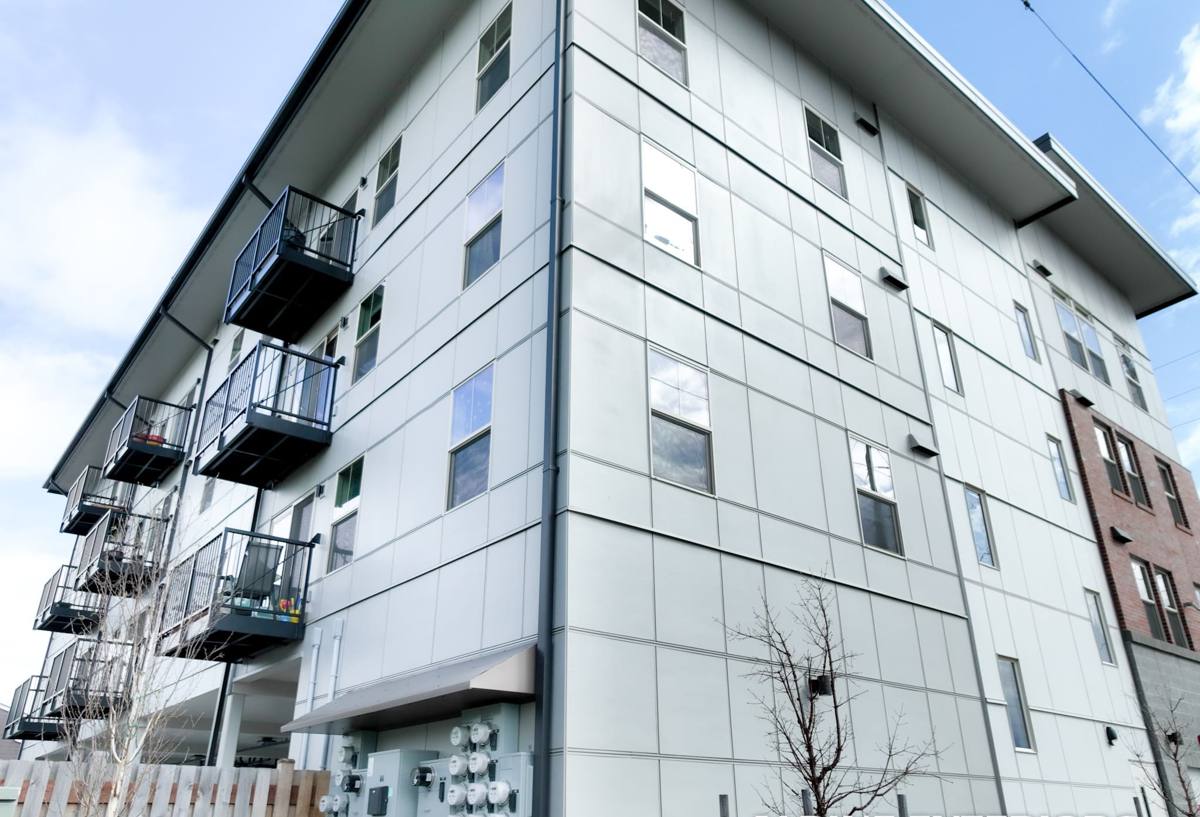
What a Correct Replacement Looks Like on a Barrier Island Home
"Correct" here means more than swapping old panels for new ones. A siding replacement done right for this location addresses the whole wall assembly, not just the visible surface.
Moisture Management Comes First
Before any new siding goes up, the water-resistive barrier underneath has to be right. On a home this close to the Gulf, wind-driven rain doesn't just fall — it gets pushed horizontally and even upward under eaves and around openings. That means proper house wrap, correctly lapped and taped, along with flashing at every window, door, and penetration that directs water back out rather than trapping it behind the siding.
Fastening for Real Wind Loads
Fastener pattern and type matter more here than almost anywhere inland. Siding on a barrier island home needs to be fastened according to the manufacturer's high-wind installation instructions, with corrosion-resistant fasteners driven at the correct spacing and depth. Under-fastened or improperly nailed siding is one of the most common reasons siding fails in a storm — not because the product itself was bad, but because the installation wasn't matched to the exposure.
Material Choice Suited to Salt Air
Not every siding material tolerates salt air well. Some products absorb moisture and swell; others degrade under constant UV; some finishes chalk or fade faster near open water. Material selection for a home this exposed isn't a style decision first — it's a durability decision first, style second.
Why We Install Only James Hardie Fiber Cement
We've made a standing decision not to install vinyl, LP SmartSide, Cemplank, Allura, or primed wood species like spruce or cedar. That's not a knock on every use case for those products — vinyl has its place, engineered wood has improved, and cedar has real appeal. But for a coastal Pinellas County environment specifically, each of those options comes with a trade-off we're not willing to put our name behind.
Vinyl softens and can deform in sustained high heat and is more prone to cracking or blowing off in extreme wind if not installed with wide tolerances. Engineered wood products rely on their outer coating staying intact to keep moisture out, and any breach — a scratch, a poorly sealed cut edge — can lead to swelling. Primed cedar or spruce needs consistent maintenance and refinishing to hold up against UV and moisture, which is a bigger burden in a climate this intense. Fiber cement products from other manufacturers exist, but James Hardie's HardieZone system was specifically engineered around humid, high-UV, storm-prone climates like ours — that's the deciding factor for us.
James Hardie fiber cement is non-combustible, dimensionally stable in humidity swings, and finished with the ColorPlus factory-baked finish, which holds color significantly better under intense UV than field-applied paint. It's backed by a strong, transferable limited warranty when installed by a certified installer to Hardie's specifications. For a house that has to shrug off salt air, sun, and wind in the same season, that combination is what we've found actually holds up — not just on day one, but ten and twenty years out.
Our Siding Replacement Process
The process for a Treasure Island home follows the same core steps as any Hardie installation, but with extra attention at the stages that matter most for coastal exposure.
- On-site assessment: We evaluate the existing siding, sheathing, and any signs of moisture intrusion before quoting anything, since hidden damage changes the scope.
- Tear-off and substrate check: Old siding comes off and we inspect the sheathing underneath for rot or soft spots, especially around windows, doors, and low-slope roof transitions where wind-driven rain tends to concentrate.
- Water-resistive barrier and flashing: A new, properly lapped weather barrier goes on with correctly integrated flashing at every penetration.
- Hardie installation to spec: Panels or planks are installed with the fastener type, spacing, and clearances required for this wind zone and coastal exposure — not generic defaults.
- Trim, caulking, and finish details: Joints, corners, and trim are finished to shed water rather than trap it.
- Final walkthrough: We go over the completed job with the homeowner before calling it done.
Choosing the Right Hardie Product Line for This Exposure
James Hardie makes several siding profiles, and the right one depends on the home's style and how directly it faces open water and wind.
| Hardie Product | Best Fit For | Coastal Consideration |
|---|---|---|
| HardiePlank lap siding | Traditional and coastal cottage styles | Most common choice; wide range of textures and exposures |
| HardiePanel vertical siding | Modern or mixed-material facades | Works well for accent walls facing the water |
| HardieShingle siding | Cape Cod or shingle-style coastal homes | Delivers the shingle look without the maintenance of real wood shakes |
| HardieTrim boards | Window, door, and corner trim | Resists the swelling and rot that affects wood trim in salt air |
All of these are manufactured in Hardie's HZ10 formulation, engineered for humid climates like ours, which is the baseline we work from for every Treasure Island project.
Signs a Treasure Island Home Needs Siding Replacement Now
Coastal exposure tends to reveal siding problems earlier than an inland home would show them. Watch for:
- Visible warping, buckling, or soft spots when you press on the siding
- Persistent chalky residue or noticeably faded color on the sun-facing side
- Cracked, split, or missing panels after wind events
- Rust streaks around fasteners or trim
- Peeling or bubbling paint that keeps returning after touch-ups
- Musty odors or discoloration on interior walls that back up to exterior siding
- Visible gaps at seams, corners, or window trim
Any one of these on its own might just need a repair. Several at once, especially on a home over 15–20 years old, usually points to a replacement being the more cost-effective long-term move.
Cost Factors for a Treasure Island Siding Replacement
Every home is different, so we don't quote a number until we've walked the property, but the main variables that move the price are consistent.
| Factor | Why It Matters |
|---|---|
| Home size and wall area | More square footage means more material and labor |
| Substrate condition | Rotted sheathing found during tear-off adds repair scope |
| Siding profile and texture | Shingle-style and custom trim details take more labor than standard lap |
| Number of stories and access | Second-story and hard-to-access walls increase labor time |
| Trim and detail work | Corners, window surrounds, and fascia detail add scope beyond flat wall siding |
| Finish selection | Factory ColorPlus finishes versus field-painted options affect material cost |
Why Local Experience on Treasure Island Matters
A crew that mostly works inland jobs isn't automatically wrong for a coastal home, but they're guessing at things a barrier-island-experienced crew already knows: how much extra attention flashing details need this close to open water, which wall orientations take the worst of the sun and salt, and how local wind exposure should shape the fastening plan. We work throughout Largo and the surrounding Pinellas County coastline, including Treasure Island, so those judgment calls come from repetition, not a manual.
That local pattern recognition shows up in small decisions that add up: catching a compromised sheathing panel before it becomes a bigger repair, knowing which trim details tend to trap water on this style of home, and setting expectations correctly about how a finish will hold up a block from the water versus a mile inland.
Get a Straight Answer on Your Treasure Island Home
If your siding is showing wear, or you're just trying to plan ahead before the next storm season, we're happy to take a look and give you an honest read on what your home actually needs — no pressure, no inflated scope. Request a free estimate using the form below and we'll walk you through your options.