 Largo Siding
 Siding Built for a Barrier Island, Not Just a Florida Zip Code
Treasure Island sits differently than most of the homes we work on. It's a narrow barrier island wrapped in the Gulf on one side and the Intracoastal on the other, which means every house here takes on a version of coastal exposure that inland Pinellas County homes simply don't see. Salt-laden air moves across the whole property, not just the side that faces the water. Wind has a straighter, harder run at the building envelope. And the sun reflecting off open water and sand adds UV load on top of Florida's already brutal year-round exposure.
Siding installation here isn't a different product than what we install in Largo proper — it's the same James Hardie fiber cement system we install everywhere. What changes on Treasure Island is how much every step of the installation has to be right, because there's less room for error before a shortcut turns into a callback.
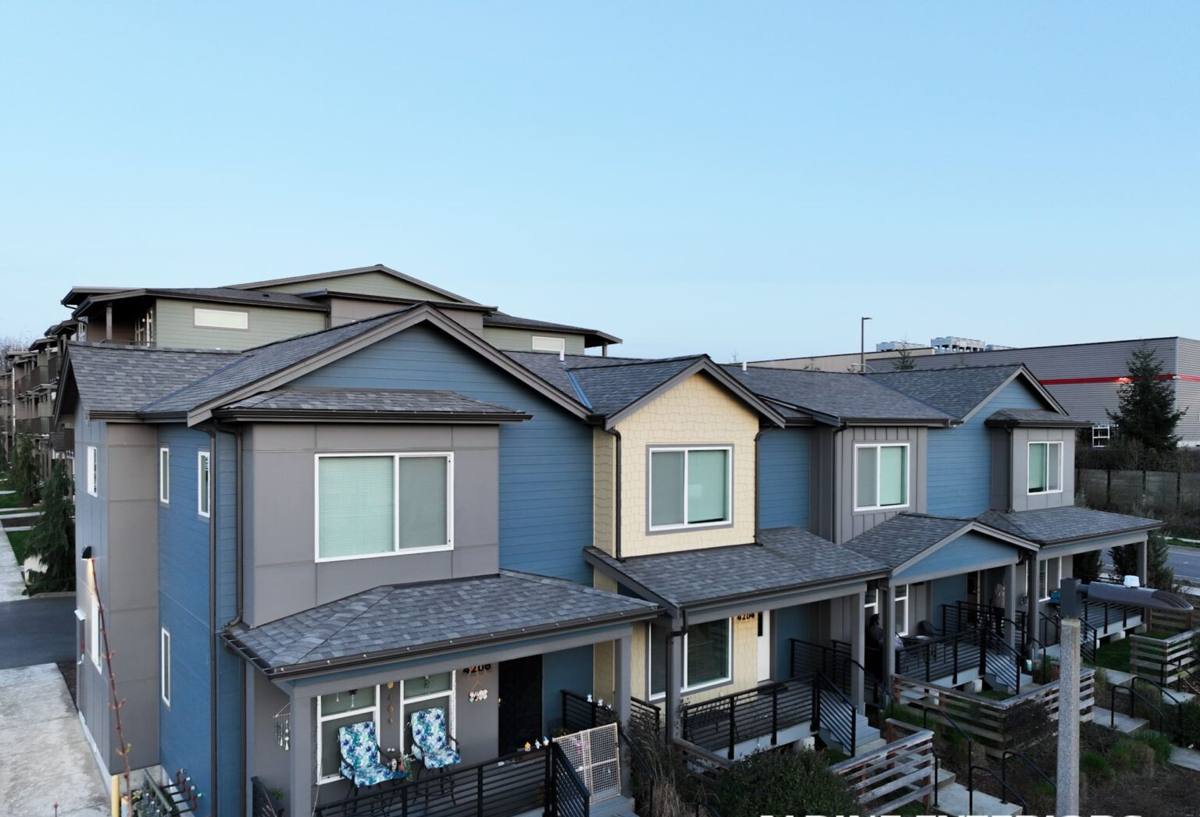
What Treasure Island's Climate Actually Does to Siding
Salt Air, Everywhere on the Island
On a barrier island, salt aerosol doesn't stay near the shoreline — onshore breezes carry it across the entire footprint of the property, coating siding, fasteners, and trim on all four sides of the house. Materials that rely on paint film alone for protection are fighting a losing battle against that kind of constant, low-grade salt exposure. It attacks unprotected wood fiber, accelerates corrosion on the wrong fasteners, and breaks down finishes that weren't engineered for it.
Wind-Driven Rain and Storm Load
Treasure Island's flat, low-elevation, open exposure means wind during storms and hurricane season arrives with less obstruction than it would a mile or two inland. That wind doesn't just push against siding — it drives rain sideways and behind poorly lapped or poorly fastened panels, which is where hidden moisture damage starts. Fastening pattern, panel lap, and flashing detail matter more here than almost anywhere else in the county.
Constant, Intense UV
Water and light-colored surfaces reflect a meaningful amount of additional UV onto the lower portions of a home's exterior, on top of the direct sun Pinellas County gets year-round. Cheap or unstable finishes chalk, fade, and lose adhesion faster under that load. Color consistency and finish durability are a real, visible test on this island, not a theoretical one.
Why We Only Install James Hardie Here
We don't install vinyl, LP SmartSide, primed wood, or cedar on Treasure Island homes, and the reasons are more pronounced here than inland. Vinyl can warp and deform under sustained heat and reflected sun, and its seams and fastening system aren't built with the same wind resistance as a properly installed fiber cement lap system. Wood-based products, whether it's engineered wood or solid cedar, are organic materials in an environment that combines constant moisture exposure with salt air — a combination that punishes anything that can absorb water or host rot at a cut edge or fastener point.
James Hardie fiber cement is non-combustible, dimensionally stable, and doesn't feed rot the way wood-based products can. It's manufactured for exactly this kind of climate — Hardie's HZ5 product line is engineered specifically for high-humidity, storm-exposed regions like the Gulf Coast. The factory-applied ColorPlus finish is baked on under controlled conditions and backed by its own finish warranty, which matters directly on an island where UV and salt are working against paint film every single day. We standardized on Hardie because it's the one product we can install on a Treasure Island home and stand behind for the long haul.
| Factor | What Treasure Island Demands | How James Hardie Delivers |
|---|---|---|
| Salt air exposure | Resistance to corrosion and finish breakdown on all elevations | Fiber cement substrate doesn't corrode; ColorPlus finish engineered for coastal durability |
| Wind-driven rain | A lap and flashing system that keeps water out under sideways rain | Rigid panels hold their lap tightly when installed to Hardie's fastening spec |
| Reflected and direct UV | A finish that won't chalk or fade prematurely | Factory-cured ColorPlus finish with its own multi-year warranty |
| Storm wind load | A cladding system rated to hold under sustained high wind | Fiber cement lap and panel systems engineered and tested for high-wind regions |
| Humidity and moisture cycling | A material that won't rot, swell, or delaminate | Cement-based composition is dimensionally stable and moisture-resistant |
What a Correct Siding Installation Looks Like on Treasure Island
The product is only half the equation. A James Hardie installation that's going to hold up on a barrier island depends on details that are easy to skip and expensive to fix later.
Weather Resistive Barrier and Flashing
Every wall gets a proper weather-resistive barrier behind the siding, with window, door, and penetration flashing installed to shed water outward and downward. On a home taking wind-driven rain from multiple directions, this hidden layer is often what actually keeps water out of the wall assembly — the visible siding is the second line of defense, not the only one.
Fastener Selection and Placement
We use corrosion-resistant fasteners appropriate for coastal exposure, placed according to Hardie's fastening schedule for the wind zone. Under-fastening or using the wrong fastener type is one of the most common shortcuts that shows up years later as loose panels or streaking rust stains — both avoidable with the right hardware from day one.
Proper Clearances
Hardie siding needs correct clearance from roofing, decks, and grade to avoid trapping moisture against the bottom edge of the panel. On island lots where landscaping and hardscaping sit close to the house, we pay close attention to these clearances during installation rather than treating them as an afterthought.
Caulking and Joint Treatment
Every joint, seam, and penetration gets treated correctly per Hardie's specifications, using sealants that are actually rated for the movement and exposure involved. Skipping or rushing this step is invisible on install day and very visible two or three years later.
Our Process for a Treasure Island Siding Project
- On-site assessment: We walk the exterior, check the existing substrate and any moisture or rot issues, and evaluate wind exposure for that specific lot and orientation.
- Product and color selection: We help you choose the right Hardie plank, panel, or shingle profile and ColorPlus color for the home, factoring in HOA or community guidelines where they apply.
- Substrate prep: Any damaged sheathing or trim is addressed before new siding goes up — covering up a problem with new siding just hides it.
- Weather barrier and flashing installation: This hidden work gets done to spec before a single piece of visible siding is installed.
- Siding installation: Panels and planks are installed to Hardie's fastening and clearance requirements for the local wind zone.
- Final detailing: Caulking, trim work, and touch-up are completed and the job is walked with the homeowner before we call it done.
Why It Matters That We Already Work Treasure Island
A crew that mostly works inland jobs can install siding correctly on paper and still miss what a barrier island actually throws at a house — the salt reach, the wind exposure on an open lot, the way reflected sun off the water hits a south- or west-facing wall differently than it would a block away from the coast. Working regularly in Pinellas County's coastal communities means we're not guessing at fastening schedules or flashing details for this environment; it's what we do routinely.
We're also positioned to respond quickly if something needs attention after a storm, and we stand behind the workmanship on top of the manufacturer's product and finish warranties — which matters more on an island property than almost anywhere else we work.
What to Check Before You Hire Anyone for Siding on Treasure Island
- Do they install James Hardie specifically, or a mix of materials depending on what's cheapest to source that month?
- Can they explain their fastening schedule and flashing approach for high-wind, coastal exposure — not just "we follow code"?
- Are they licensed and insured to work in Pinellas County, and will they put that in writing?
- Do they have experience with barrier island or direct coastal properties specifically, not just general Florida siding work?
- Will they walk you through clearance, drainage, and moisture management details before the job starts, not after something goes wrong?
- Is the warranty they're offering backed by both the manufacturer and their own workmanship guarantee?
Let's Look at Your Home
Every property on Treasure Island has its own wind exposure, sun orientation, and existing condition to account for, and the right approach depends on seeing it in person. If you're considering new siding or need to replace what's currently on your home, we're happy to walk the exterior with you, answer questions honestly, and put together a straightforward, no-pressure estimate using the form below.