 Largo Siding
 Roofs on Treasure Island Take a Different Kind of Beating
Treasure Island sits out on the barrier island chain in Pinellas County, and that location comes with a trade-off. The view is unbeatable, but the roof over your head works harder than a roof just a few miles inland in Largo. Salt-laden air, near-constant sun, and wind off the Gulf all shorten the life of roofing materials and speed up problems that would otherwise take years to show up. We're based in Largo and repair roofs throughout Pinellas County, including the beach communities, so we see how this environment ages a roof differently — and we build our repair approach around that reality instead of treating every job the same.
This page is specifically about roof repair for Treasure Island homes: what tends to go wrong out here, what a repair actually needs to include to hold up, and how our process works from the first call to the final walkthrough.
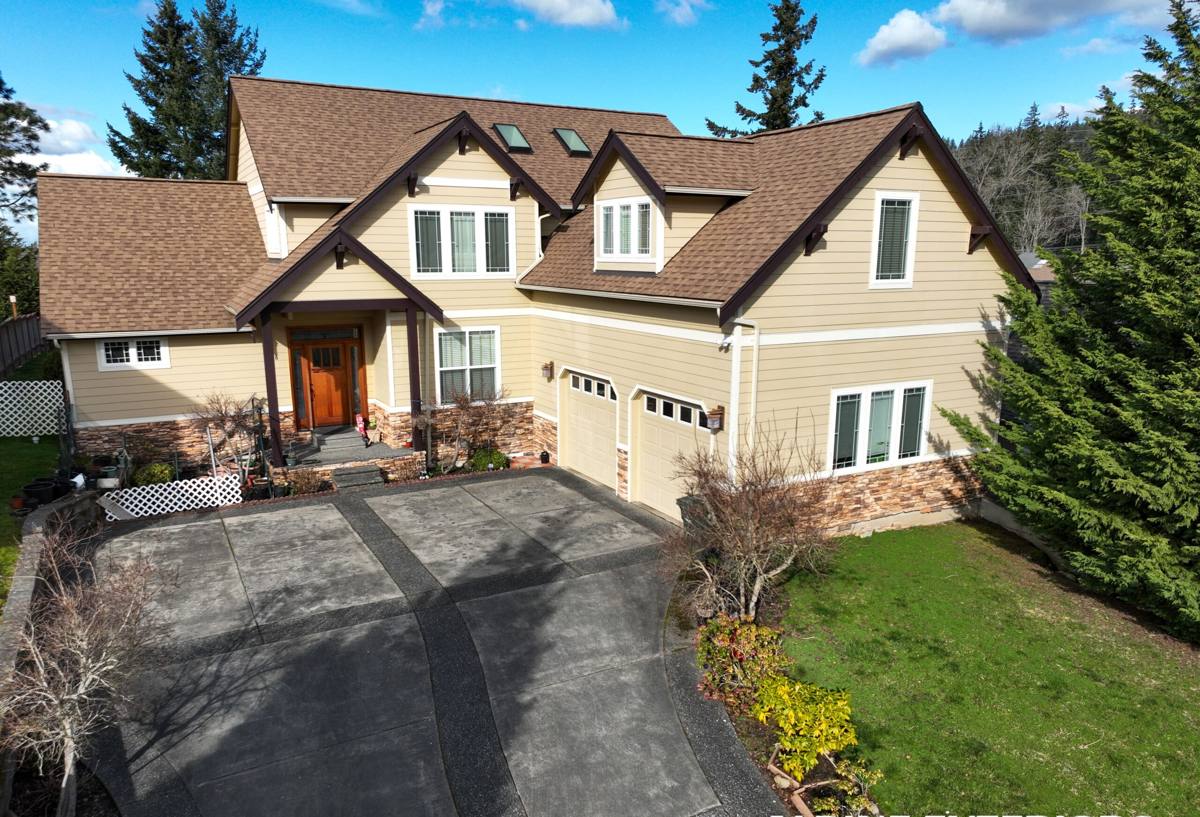
What Barrier Island Conditions Do to a Roof Over Time
Salt Air and Corrosion
Airborne salt doesn't just affect cars and railings. It settles on exposed metal — nail heads, flashing, vent stacks, drip edge — and accelerates corrosion. Once a fastener or flashing piece starts to corrode, it loses its grip and its seal, and that's how small leaks start. Roofs closer to the water deal with this faster than roofs even a few miles inland in Largo proper.
Intense, Year-Round UV
Florida sun is hard on roofing materials in general, but there's very little shade or windbreak on a barrier island. UV exposure dries out and embrittles asphalt shingles, breaks down sealants, and fades and chalks the surface of tile and metal roofing. A roof that would age gracefully under some tree cover further inland tends to show wear sooner out here.
Wind-Driven Rain
Rain that comes in sideways, which happens often near open water, finds every weak point in a roof system — lifted shingle tabs, gaps in flashing, poorly sealed penetrations. A roof can be watertight in a normal rainstorm and still leak in a wind-driven one, because the water is being pushed uphill under materials instead of running off downhill the way the system was designed for.
Hurricane and Tropical Storm Winds
Pinellas County sits squarely in hurricane territory, and Treasure Island's exposure to open water means it can see higher sustained winds and more debris impact than areas with more inland buffer. Even when a storm doesn't cause dramatic damage, repeated high-wind events loosen fasteners, stress flashing, and lift shingle edges — damage that's easy to miss from the ground but that compounds every storm season it goes unaddressed.
The Roof Problems We See Most Often Near the Beach
Flashing and Penetration Leaks
Flashing around chimneys, skylights, vent pipes, and roof-to-wall transitions is one of the most common failure points we find. It's a small amount of material doing a disproportionate amount of work, and in a corrosive, high-UV coastal environment it tends to fail well before the field of the roof does.
Lifted, Cracked, or Missing Shingles and Tiles
Wind lift and UV brittleness show up as cracked shingle tabs, tiles that have shifted or slipped, or gaps where a piece has gone missing entirely. Even one compromised shingle or tile is an open door for water once wind-driven rain gets involved.
Corroded Fasteners and Metal Components
Nail heads, screws, and metal flashing corrode faster this close to the Gulf. Corroded fasteners lose holding power, which is part of why we don't just patch a leak and move on — we check the condition of the fasteners and metal around the failure point too.
Soffit, Fascia, and Roof Deck Damage from Ongoing Leaks
A roof leak that's gone unnoticed for a while doesn't stay contained to the roof surface. Wind-driven rain can push moisture up under eaves and into soffit and fascia areas, and sustained leaks can soften the roof deck itself. Catching a repair early keeps the damage — and the cost — contained to the roof.
Signs It's Time to Call for a Repair
Most roof problems give warning signs before they turn into an interior leak. Worth checking for, or having us check for:
- Water stains or discoloration on interior ceilings, especially near exterior walls or after a storm
- Granules from asphalt shingles collecting in gutters or at downspouts
- Shingle tabs that look curled, cracked, or lifted at the edges
- Tiles that appear shifted, cracked, or slipped out of alignment
- Visible gaps, rust, or lifted edges around flashing, vent pipes, or chimneys
- Soft spots when walking the roof, or sagging visible from the ground
- Daylight visible through the roof deck from inside the attic
- A musty smell or visible mold in the attic, which often points to a slow, hidden leak
If any of these sound familiar, it's worth having someone look before the next heavy rain or storm system.
How We Approach a Roof Repair on Treasure Island
Inspection First, Not a Guess
We start by getting on the roof and actually finding the source of the problem, not just patching where the stain shows up inside. Interior water stains can travel a good distance from the actual entry point, especially along rafters or decking, so tracing it back matters.
An Honest Diagnosis
Once we know what's actually failing, we explain it in plain terms: what's causing the leak or damage, what a proper repair involves, and roughly what it will cost. If the roof is old enough or damaged enough that repair isn't the smart long-term move, we'll say so — see the repair-versus-replace section below.
The Repair Itself
Depending on the problem, that might mean replacing damaged shingles or tiles, rebuilding and resealing flashing, replacing corroded fasteners, or addressing damaged decking underneath. We match materials as closely as possible to what's already on the roof and use sealants and flashing rated for coastal exposure, not whatever is cheapest.
Cleanup and Documentation
We clear debris, magnet-sweep for stray nails, and leave the property the way we found it aside from the repair itself. For insurance or record purposes, we can document the damage and the repair performed.
Repair or Replace? How We Help You Decide
Not every roof problem calls for a full replacement, and not every roof problem should be patched and left alone. We walk through this honestly rather than defaulting to whichever job is bigger.
| Factor | Repair Usually Makes Sense | Replacement Is Usually the Better Call |
|---|---|---|
| Roof age | Well within its expected service life | Nearing or past the manufacturer's expected lifespan |
| Extent of damage | Isolated to one area — a section of flashing, a handful of shingles or tiles | Widespread across multiple sections or slopes |
| Decking condition | Solid, no soft spots or rot found | Soft, delaminated, or water-damaged in multiple areas |
| Storm history | Single, identifiable event with contained damage | Cumulative wear from repeated storms over many seasons |
| Underlying material condition | Shingles/tiles still flexible and intact overall | Widespread brittleness, granule loss, or cracking |
If a roof lands somewhere in the middle, we'll tell you that too, along with what to watch for so you can decide on your own timeline rather than feeling rushed into either option.
Materials and Methods We Use for Coastal Durability
For a roof exposed to salt air, sun, and wind-driven rain the way Treasure Island roofs are, the materials used in a repair matter as much as the workmanship. We use corrosion-resistant fasteners and flashing suited to coastal exposure rather than standard-grade hardware that will corrode again in a fraction of the time. Sealants and underlayment are chosen for UV and moisture resistance, not just lowest cost. Where a repair ties into an older roofing system, we match profile, color, and material as closely as we reasonably can so the finished repair blends in rather than standing out as an obvious patch.
We're straightforward about warranty coverage on repair work too — what's covered, for how long, and what falls outside of it, so there's no confusion later.
Why Hiring a Crew That Already Works Treasure Island Matters
A roofer who mostly works well inland doesn't necessarily see the same failure patterns we see on the barrier island — the faster fastener corrosion, the UV wear rate, the way wind-driven rain finds its way in during a storm off the Gulf. We work this area regularly as part of our Largo-based service territory, which means we're familiar with the permitting process for this jurisdiction, the wind-mitigation standards that apply, and the kind of damage that shows up here specifically rather than working from generic assumptions.
It also means we're a known, reachable local business — not a storm-chasing crew that shows up after a hurricane and is gone before the warranty means anything.
Timing, Permits, and Storm Season Considerations
Roof repairs in Pinellas County typically require a permit, and we handle that as part of the job rather than leaving it on the homeowner. Timing matters too: getting a repair done before hurricane season, or promptly after a storm, reduces the window for a small problem to become a bigger one through repeated wind and rain exposure. We're upfront about realistic scheduling, especially in the weeks after a significant storm when demand across the county spikes.
If you're dealing with a leak, storm damage, or a roof that just needs a second opinion, we're glad to take a look. Reach out through the form below for a free, no-pressure estimate — we'll tell you honestly what we find and what your options are.