 Largo Siding
 Why Oldsmar Homes Take a Harder Hit From the Elements
Oldsmar sits at the north end of Old Tampa Bay, inside Pinellas County, which means homes here deal with a combination of stresses that inland Florida properties simply don't face. Salt-laden air drifts in off the bay and mixes with Gulf humidity. Summer storms bring wind-driven rain that hits siding sideways, not straight down. And the sun is relentless almost year-round, breaking down anything not built to hold its color and structure under UV load. Add in the real possibility of hurricane-force wind gusts during storm season, and you have a climate that is genuinely tougher on exterior materials than most of the country.
Siding on an Oldsmar home isn't just cosmetic. It's the first line of defense between the structure and everything Pinellas County's weather throws at it. When it's the wrong material, or installed incorrectly, problems show up faster here than they would in a milder climate — fading, warping, moisture intrusion, and fastener corrosion all accelerate under salt air and UV exposure.
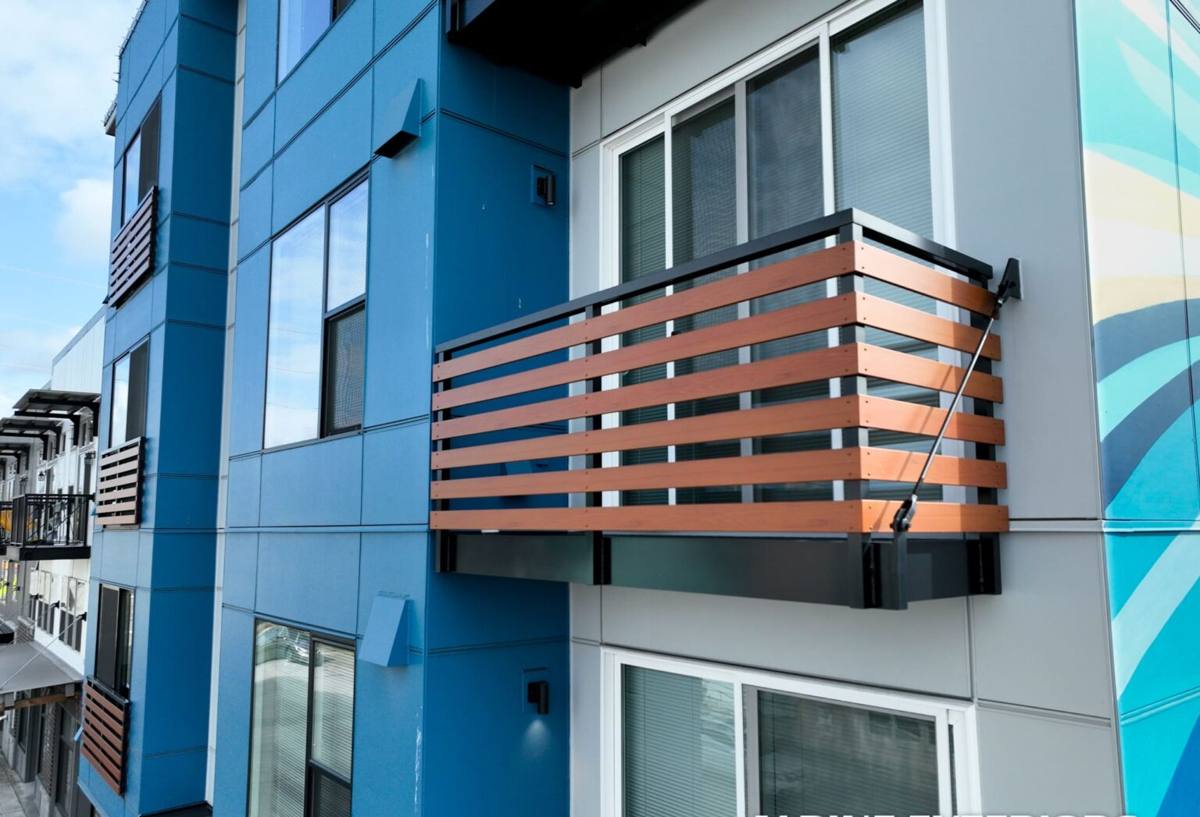
Why We Install Only James Hardie Fiber Cement
We made a deliberate decision to install James Hardie fiber cement siding exclusively — not vinyl, not LP SmartSide, not Cemplank or Allura, not primed wood. That's not a marketing angle; it's a standard we set because of what we've seen play out on real Florida homes over time. Vinyl softens, warps, and can crack under sustained UV and heat. Engineered wood products like LP SmartSide rely on treated wood fiber cores that need diligent caulking and painting to keep moisture out — a maintenance burden that's unforgiving in a humid coastal climate. Primed spruce and cedar look great initially but demand ongoing sealing and repainting to resist rot and pests.
James Hardie fiber cement is a cement-based composite, not wood or vinyl, so it doesn't share those same failure points. It's non-combustible, holds paint and factory-applied color far longer than wood-based products, and is engineered specifically for high-moisture, high-UV climates like ours. That's the whole reason we standardized on it: fewer trade-offs for a homeowner who wants siding that performs for decades in Pinellas County conditions instead of just looking good in a showroom.
What Hardie Gets Right (and Where It Still Needs Skill)
To be fair, fiber cement isn't magic. It's heavier than vinyl, it has to be cut and fastened correctly, and it depends on proper flashing and sealing details just like any siding system. The material itself is excellent for this climate — but a mediocre installation on great material still fails. That's why installation quality matters as much as product choice, which we'll get into below.
The Right James Hardie System for Pinellas County
James Hardie engineers its products by climate zone, and homes in our part of Florida fall into the HZ5 zone — the line built specifically for high-humidity, high-moisture-exposure regions along the Gulf and Atlantic coasts. HZ5 products are formulated to resist moisture-related damage better than the standard HZ10 line used in drier inland climates, which matters when your home sits this close to the bay.
For Oldsmar homes we typically work with:
- HardiePlank lap siding — the most common choice, available in several exposure widths and a range of ColorPlus factory finishes
- HardiePanel vertical siding — often used for accent sections, gables, or a more modern look
- HardieTrim boards — matched trim around windows, doors, and corners so the whole system ages together
- ColorPlus Technology finishes — a baked-on factory finish that resists fading and chipping better than field-applied paint, which matters under this much sun
ColorPlus finishes carry their own 15-year finish warranty separate from the product warranty, which is worth knowing about up front since it affects how the siding is expected to hold its color under our UV load.
What a Correct Installation Actually Involves
Fiber cement siding fails in this climate almost exclusively because of installation shortcuts, not because the material itself is weak. The details that get skipped on a rushed job are exactly the details that keep water and wind out over 20-plus years of Florida summers.
The non-negotiables on every job we do
- Full inspection and repair of the sheathing underneath before any new siding goes up — covering rot or damage just traps the problem
- A continuous weather-resistive barrier installed correctly behind the siding, not patched around
- Proper flashing at every window, door, and roofline intersection, since these are the points where wind-driven rain finds its way in
- Correct fastener type, length, and spacing — Hardie specifies this for a reason, and undersized or misplaced fasteners are one of the most common causes of premature failure
- Manufacturer-specified gaps and clearances — siding needs a gap from roofing, decking, and grade, and panel joints need the right clearance, not caulked tight
- Correct caulking at joints and penetrations using a product rated for the movement and moisture this climate produces
- Field-cut edges primed or sealed per Hardie's installation guidelines, especially on panel ends
None of this is exotic. It's the manufacturer's own installation specification, followed completely rather than partially. The difference between a siding job that looks fine for two years and one that performs for two decades in Oldsmar's climate almost always comes down to whether these steps were actually done.
How Our Process Works, Start to Finish
Homeowners generally want to know what's actually going to happen to their house, so here's the sequence:
- On-site assessment. We walk the exterior, check the current siding and sheathing condition, note trouble spots (window returns, corners, areas exposed to prevailing wind and rain), and take measurements.
- Product and color selection. We go over lap versus panel siding, exposure width, trim options, and ColorPlus color choices, matched to the home and to HZ5 climate requirements.
- Written estimate. A clear scope and price before anything is scheduled — no surprise change orders for things that should have been caught up front.
- Removal and prep. Old siding comes off, sheathing gets inspected and repaired where needed, and the weather-resistive barrier goes on correctly.
- Installation. Siding, trim, and flashing go up to Hardie's fastening and clearance specifications, not shortcuts.
- Final walkthrough. We go over the finished work with the homeowner directly and register the manufacturer warranty.
James Hardie Compared to Other Siding Options in a Coastal Climate
Every siding material makes trade-offs. Here's how the options homeowners in Oldsmar typically ask about compare on the specific stresses this climate creates:
| Factor | James Hardie Fiber Cement | Vinyl | Engineered Wood (LP-type) |
|---|---|---|---|
| UV / color retention | ColorPlus factory finish resists fading | Can fade and chalk over time in intense sun | Requires repainting to maintain color |
| Wind-driven rain resistance | Excellent when flashed and sealed per spec | Moderate; seams can allow water intrusion | Vulnerable if caulking/paint isn't maintained |
| Salt air / corrosion exposure | Material itself doesn't corrode | Doesn't corrode but can become brittle | Wood core sensitive to moisture over time |
| Fire resistance | Non-combustible | Combustible | Combustible |
| Maintenance burden | Periodic rinsing and caulk checks | Low, but limited repair options if damaged | Regular repainting and sealing required |
This isn't about declaring other products defective — vinyl and engineered wood both have legitimate uses. It's about what holds up with the least maintenance and the fewest failure points specifically in a Pinellas County coastal climate, which is why we've standardized on Hardie for every job we take on.
Maintenance and Longevity Once It's Installed
One reason fiber cement fits this climate well is that it doesn't ask much of the homeowner afterward, but "not much" isn't "nothing." A few habits go a long way in Oldsmar's salt air and storm exposure:
- Rinse the siding periodically, especially sides of the house facing the bay, to clear salt residue and airborne grime before it builds up
- Walk the exterior after major storms and check caulking at joints, corners, and trim for cracking or separation
- Keep an eye on areas where irrigation or sprinklers hit the siding directly, since constant moisture exposure in one spot ages any material faster
- Repaint only if and when the ColorPlus finish is genuinely due for it — most homeowners go many years before that's necessary
Done right, a James Hardie system on an Oldsmar home is built to perform for decades, not just to look good at installation.
What Actually Drives the Cost of a Hardie Siding Project
Every home is different, so we don't publish flat pricing, but these are the factors that move the estimate up or down on a typical Oldsmar project:
| Cost Factor | Why It Matters |
|---|---|
| Home size and story count | More square footage and second-story work both add material and labor time |
| Condition of existing sheathing | Rot or water damage found during tear-off requires repair before new siding goes up |
| Siding profile and exposure width | Different lap widths and panel styles carry different material and install time |
| Trim and architectural detail | Homes with more corners, gables, and window trim take more time to flash and finish correctly |
| ColorPlus finish selection | Standard versus premium color options can affect material pricing |
| Removal and disposal of old siding | Full tear-off of existing material adds labor and disposal cost versus new construction |
Why Hiring a Crew That Already Works in Oldsmar Matters
Installation quality is the single biggest factor in how long James Hardie siding performs, and that's directly tied to whether the crew installing it actually understands this specific climate. A crew that works Oldsmar and Largo regularly already knows which sides of a house typically catch the worst wind-driven rain, how much salt exposure to expect near the bay versus further inland, and what Pinellas County's permitting and wind-load requirements call for on an exterior job. That familiarity shows up in the details — flashing choices, fastening schedules, and clearance decisions that a crew unfamiliar with coastal Florida might not think twice about.
It also means faster response if something needs a look after a storm, and a working relationship with local suppliers that keeps a project moving instead of stalled on backordered material. For a siding investment meant to last decades, that local track record is worth as much as the product spec sheet.
If you're considering James Hardie siding for a home in Oldsmar or elsewhere in the Largo area, we're happy to walk the exterior with you and put together a straightforward, no-pressure estimate — just fill out the form below to get started.