 Largo Siding
 Storm Damage Roof Repair for Belleair Bluffs Homes
Belleair Bluffs sits close to Old Tampa Bay, which means its homes take a different kind of beating than roofs a few miles inland. Between the bluff's wind exposure, the salt-laden air coming off the water, and Pinellas County's long, intense storm season, roofs here age faster and show damage sooner than the manufacturer's warranty numbers would suggest. If you've had a bad storm roll through and you're seeing shingles in the yard, a stain on the ceiling, or just want a roof checked before the next system comes through, this page walks through what that repair actually involves and what to expect from a crew that works this area regularly.
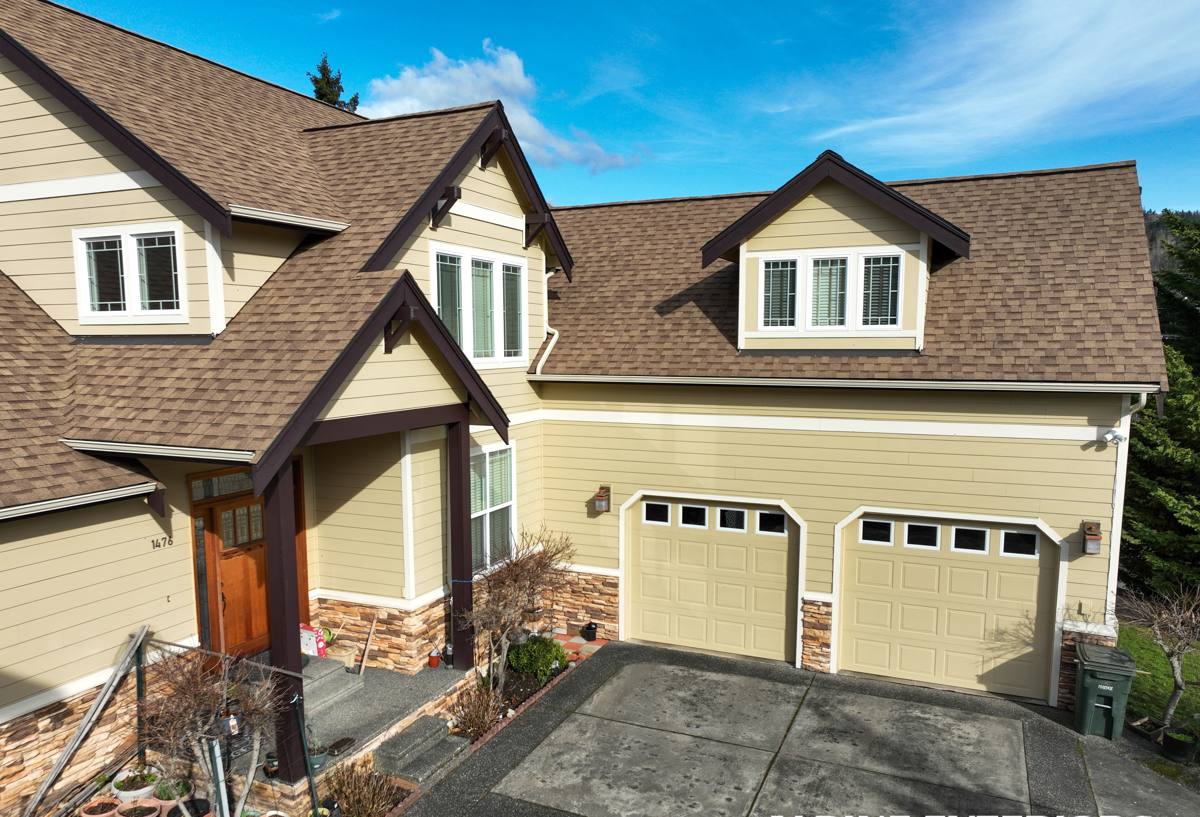
Why Belleair Bluffs Roofs Take a Beating
Wind and Wind-Driven Rain
Belleair Bluffs' elevation relative to the surrounding shoreline gives it slightly more wind exposure than low-lying neighborhoods further from the water. During tropical storms and hurricanes, that wind doesn't just threaten to peel shingles — it drives rain sideways, up under ridge caps, and into any seam that isn't sealed correctly. A roof can survive the wind and still fail from the water that got pushed in behind it during the same event.
Year-Round UV and Heat Cycling
Florida sun is hard on roofing materials even without a storm involved. Asphalt shingles lose their protective granules over time from constant UV exposure, and the daily heat-up/cool-down cycle stresses seams, sealant, and flashing. A roof that's already brittle from years of sun takes storm damage more easily than a newer one — a gust that would just lift a healthy shingle can tear a UV-weakened one clean off.
Salt Air Corrosion
Proximity to the bay means metal components — flashing, fasteners, vent stacks, gutter hardware — are exposed to salt air that accelerates corrosion compared to inland parts of Largo and Pinellas County. Corroded flashing and fasteners are a common hidden cause of leaks that show up "out of nowhere" after a storm, when in reality the metal had been weakening for years and the storm was just the final push.
Signs Your Roof Has Storm Damage
Some storm damage is obvious. A lot of it isn't — it's on the back slope you can't see from the driveway, or it's a slow leak that hasn't reached the ceiling yet. After any significant wind or hail event, it's worth checking for:
- Missing, cracked, curled, or lifted shingles
- Bare or exposed spots where granules have washed off
- Bent, lifted, or missing flashing around chimneys, vents, and roof-to-wall joints
- Cracked or slipped tiles, if you have a tile roof
- Soft or spongy spots when walking the roof (a sign of wet decking underneath)
- New water stains, discoloration, or bubbling paint on ceilings or upper walls
- Granules collecting in gutters or at downspout outlets
- Visible daylight through the attic where there shouldn't be any
- Debris punctures from branches or wind-blown material
Any one of these on its own might be minor. Several together, especially after a named storm, usually means water has gotten past the roof covering and it's time for a real inspection, not a guess from the ground.
What a Correct Storm Damage Repair Involves
Start With an Honest Inspection, Not an Estimate
A repair is only as good as the inspection behind it. That means getting on the roof (not just looking from the driveway), checking the attic for water intrusion, and tracing damage back to its actual source — because the spot where a ceiling stain shows up is often several feet away from where the water actually entered. Rushing this step is how homeowners end up paying for a patch that doesn't address the real problem.
Matching Materials and Fastening for the Return Trip
A repair should be built to survive the next storm, not just look fixed today. That means matching shingle or tile profile and color as closely as possible, using fasteners rated for coastal exposure rather than whatever's cheapest, and following manufacturer nailing or fastening patterns rather than shortcuts. In a wind-exposed area like Belleair Bluffs, how a shingle is fastened matters as much as the shingle itself.
Flashing and Underlayment Come First
Most roof leaks trace back to flashing or underlayment failure, not the shingles or tiles themselves. A repair that only replaces the visible covering material without addressing the flashing around penetrations, valleys, and roof-to-wall transitions is treating the symptom, not the cause. Underlayment that's been compromised by wind-driven rain needs to be replaced in that section, not just covered back over.
Sealing for the Next Event, Not Just This One
Given how often this area sees tropical weather, a repair should assume another storm is coming. That means proper sealant at penetrations, correctly lapped underlayment, and ridge and hip caps fastened to withstand uplift — not the minimum needed to pass a quick visual check.
Common Repair Types and What Drives the Cost
Every roof and every storm is different, but most storm damage repairs in this area fall into a few categories. The table below is a general guide — actual scope and cost depend on what the inspection finds.
| Repair Type | What's Typically Involved | General Cost Factors |
|---|---|---|
| Localized shingle repair | Replacing a section of missing or damaged shingles and the underlayment beneath | Usually the most affordable option; cost rises with roof pitch and how well the existing shingles are still available to match |
| Flashing repair | Re-securing or replacing flashing at chimneys, vents, skylights, or wall transitions | Often modest in material cost but labor-sensitive — access and roof pitch matter more than the flashing itself |
| Tile roof repair | Replacing cracked or slipped tiles and repairing the underlayment beneath them | Tile is more labor-intensive to work around without causing further breakage, which affects price more than material cost |
| Decking replacement | Replacing wet or rotted plywood/OSB decking found under damaged covering material | Depends entirely on how much decking is affected — this is usually found during the repair, not before |
| Full section or full roof replacement | Recommended when damage is widespread or the roof was already near end of life | Driven by total roof area, material choice, and number of layers being removed |
We'll always tell you honestly if a "repair" isn't the right call — for example, if the roof is old enough that patching one storm-damaged section just means the next section fails in a year or two. That's a judgment call we'd rather make honestly than sell you a repair we don't believe in.
Our Process for Belleair Bluffs Homeowners
- Inspection. We get on the roof and in the attic, document what we find, and explain it in plain terms — no pressure, no upsell.
- Written scope and estimate. You get a clear breakdown of what needs repair, why, and what it costs before any work starts.
- Temporary protection if needed. If there's active water intrusion, we can tarp or dry-in the affected area to stop further damage while repairs are scheduled.
- Repair work. Matched materials, correct flashing and underlayment, and fastening appropriate for wind exposure this close to the water.
- Final walkthrough. We show you what was done and answer questions before considering the job finished.
Working With Your Insurance Claim
Storm damage repairs are often tied to an insurance claim, and having clear documentation makes that process smoother. We photograph and document damage during the inspection so you have a record that reflects the actual condition of the roof, not just an adjuster's drive-by look. We're happy to walk the roof with an adjuster if that's helpful, and we'll give you an honest scope of work regardless of what a claim does or doesn't cover — our job is to tell you what the roof needs, not to inflate a claim.
Why Local Experience in Belleair Bluffs Matters
A roofer who mostly works inland doesn't always account for the added wind and salt exposure that comes with being this close to the bay. Fastening patterns, flashing choices, and material selection that hold up fine a few miles away can underperform here. Working regularly in Largo and the surrounding Pinellas County coastal communities means we've seen how roofs in this specific environment actually fail — not just how they're supposed to perform on paper — and we build repairs accordingly. We're also familiar with local permitting requirements for roof work, which keeps your repair compliant and keeps insurance documentation clean if you need it later.
Get a Free, No-Pressure Estimate
If your roof took a hit in the last storm — or you just want a professional set of eyes on it before the next one arrives — we're glad to take a look. Fill out the form below for a free estimate. There's no obligation and no pressure; we'll tell you honestly what we find and what, if anything, needs to be done.