 Largo Siding
 St. Petersburg homes take a beating that inland houses never see. Between hurricane-season wind loads, near-constant UV exposure, wind-driven rain that finds every weak seam, and salt air rolling in off the bay and Gulf, a roof here ages differently than one in a drier, calmer climate. A roof replacement done right in this part of Pinellas County isn't just about swapping old shingles for new ones — it's about building an assembly that's matched to what St. Petersburg actually throws at it, year after year.
Why St. Petersburg Roofs Wear Out Faster
Four stressors work on a St. Petersburg roof at the same time, and most roofing failures we see trace back to one of them being ignored during the original installation.
- Hurricane-force wind: Even homes outside the direct path of a storm regularly see sustained winds and gusts strong enough to lift improperly fastened shingles or work flashing loose over time.
- Year-round UV: Florida's sun exposure is intense and constant, not seasonal. UV breaks down asphalt oils and accelerates granule loss faster than in most of the country.
- Wind-driven rain: Rain that comes in sideways during a storm doesn't behave like rain falling straight down. It tests every lap, seam, and fastener on the roof, not just the field of the shingle.
- Salt air: Being close to the water means airborne salt settles on roofing metal, fasteners, and vents, which speeds up corrosion on anything not rated for a coastal environment.
None of these are new information to anyone who's lived in the area, but they matter directly to how a roof should be built — the underlayment, fastening pattern, flashing metal, and ventilation all need to account for this environment specifically.
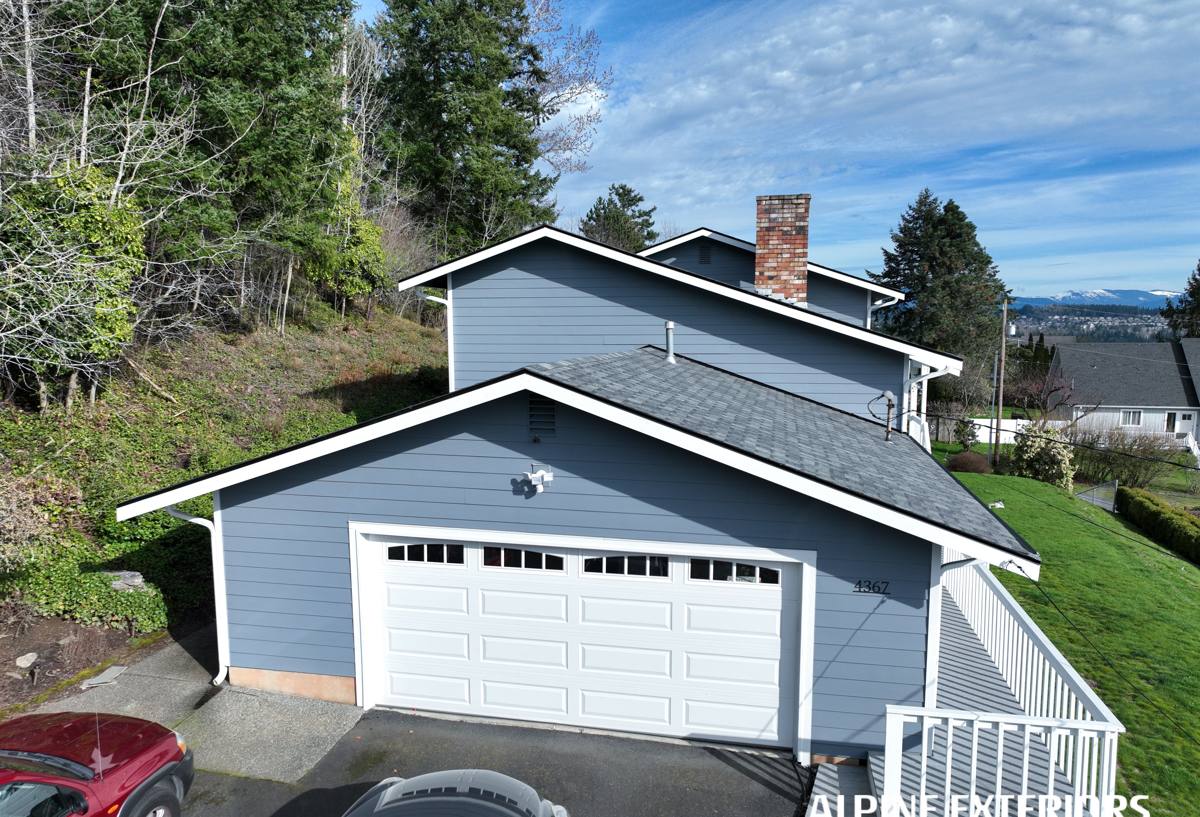
Signs a St. Petersburg Roof Needs Replacement, Not Repair
Not every roof problem calls for a full replacement. But there's a point where patching stops making financial sense and starts becoming a cycle of repeat repairs. Some signals we look for:
- Granule loss heavy enough that you can see bare, shiny patches on the shingle surface
- Shingles that are curling, cupping, or cracking across large sections of the roof, not just one spot
- Multiple past repairs in different areas, which usually means the underlying materials are simply worn out
- Soft decking or visible sagging when viewed from the ground or attic
- A roof approaching or past the manufacturer's expected service life for its material and local exposure
- Recurring leaks after storms even though visible repairs have been made
If a roof is showing two or more of these at once, replacement is usually the more honest recommendation — and the more cost-effective one over a five- to ten-year horizon.
Choosing the Right Roofing Material for This Climate
There's no single "best" roofing material for St. Petersburg — the right choice depends on your budget, how long you plan to stay in the home, and how much long-term maintenance you're willing to take on. Here's how the common options actually compare under local conditions:
| Material | Wind Performance | Heat/UV Behavior | Maintenance | Typical Lifespan |
|---|---|---|---|---|
| Architectural (dimensional) asphalt shingle | Good when installed with proper nailing pattern and rated underlayment | Reflective/cool-roof options available; standard shingles absorb more heat | Low to moderate; periodic inspection after storms | Roughly 20-30 years, climate dependent |
| Standing seam metal | Excellent; fewer exposed fasteners, strong wind uplift resistance | Reflects heat well, especially in lighter colors; can reduce attic temps | Low; occasional fastener and sealant checks | Often 40-50+ years with proper coating maintenance |
| Concrete or clay tile | Very good wind resistance when correctly fastened, but individual tiles can crack from impact | Excellent thermal mass, ages well under UV | Moderate; occasional tile replacement, underlayment is the real wear item | Tile itself can last decades, but underlayment usually needs replacement sooner |
We'll walk you through the real trade-offs for your specific home rather than pushing one product line. Upfront cost, long-term maintenance, insurance impact, and how long you plan to own the home should all factor into the decision.
What a Correct Roof Replacement Actually Involves
A roof is only as good as what's underneath the visible surface. A proper replacement isn't just laying new shingles or panels over what's there — it's a full rebuild of the roofing system.
Tear-Off and Deck Inspection
We remove the existing roofing material down to the deck so it can be inspected directly. Any soft, rotted, or delaminated decking gets identified and replaced before anything new goes down — covering over bad decking just hides a problem that will resurface later, usually as a leak.
Underlayment and Water Barrier
Given how much wind-driven rain this area sees, the underlayment matters as much as the shingle or panel itself. We use synthetic or self-adhering underlayment in the areas most exposed to wind-driven moisture — valleys, eaves, and around penetrations — as a second line of defense if wind ever drives water past the primary roofing surface.
Flashing
Flashing around chimneys, skylights, walls, and vents is where most roof leaks actually originate — not in the open field of the roof. We replace flashing rather than reuse old pieces whenever a roof comes off, and we use metal appropriate for a coastal, salt-exposed environment to resist corrosion.
Fastening for Wind Uplift
Florida Building Code sets specific nailing and fastening requirements based on your wind zone, and Pinellas County's coastal exposure puts most St. Petersburg homes in a higher wind-load category than inland areas of the state. Proper nail count, placement, and fastener type are what actually keep a roof attached during a windstorm — this is not an area to cut corners on.
Ventilation
A hot, humid attic shortens the life of roofing materials from underneath, even if the outer surface looks fine. Balanced intake and exhaust ventilation keeps attic temperatures and moisture in check, which protects both the roof deck and your energy bills.
Permits and Wind Mitigation in Pinellas County
A roof replacement in St. Petersburg requires a permit through the local building authority, and the finished work has to be inspected against current Florida Building Code wind provisions. This isn't paperwork for its own sake — it's what confirms the roof was actually built to the standard your home needs to hold up in this area.
A new roof is also worth discussing with your insurance agent. Roofing materials, fastening methods, and the presence of features like a secondary water barrier can affect your wind mitigation inspection and, in turn, your premium. We can provide documentation of what was installed, but the wind mitigation inspection itself is handled separately through a licensed inspector.
Our Roof Replacement Process
- On-site inspection and estimate: We assess the current roof, attic ventilation, and any visible problem areas, and provide a written estimate with material options.
- Material selection: We go over the trade-offs between shingle, metal, and tile based on your budget and goals, with no pressure toward any particular product.
- Permitting: We pull the required permit and schedule the work around inspection requirements.
- Tear-off and deck inspection: Old roofing comes off, decking is inspected, and any needed repairs are addressed and documented.
- Installation: Underlayment, flashing, and the finish roofing material go on according to code-required fastening and manufacturer specifications.
- Inspection and cleanup: The completed roof is reviewed against code, the property is cleaned up including a check for stray nails and debris, and we walk the job with you before calling it finished.
Checklist: What to Confirm Before Hiring a Roofing Contractor
A roof replacement is a major investment, and the roofing trade unfortunately draws its share of storm-chasing operators who aren't around a year later if something goes wrong. Before signing a contract, confirm:
- The contractor holds a current Florida roofing license and can provide the license number
- They carry general liability and workers' compensation insurance, and can provide proof
- The written estimate specifies materials, fastening method, and underlayment type — not just "new roof"
- They're pulling the required local permit rather than asking you to skip it
- The warranty terms are explained in writing, including what's covered by the manufacturer versus the installer
- They have an established presence in the St. Petersburg / Pinellas County area, not just a temporary post-storm setup
- Cleanup, including a magnetic sweep for nails, is part of the scope of work
Why Local Experience in St. Petersburg Matters
A roofing crew that regularly works in St. Petersburg understands the specific wind and code requirements that apply here, has working relationships with the local permitting office, and knows how coastal salt exposure and storm patterns affect material choices over time. That familiarity translates into fewer surprises during the permitting process and a roof that's built with this specific climate in mind rather than a generic specification. It also means we're a known, reachable name in the community if you ever need us again — not a crew that disappears once the invoice is paid.
If your roof is showing its age or you're planning ahead of the next storm season, we're happy to take a look and give you a straight, no-pressure assessment. Fill out the form below to schedule a free roof replacement estimate for your St. Petersburg home.