 Largo Siding
 Deck Repair for St. Petersburg Homes
Decks in St. Petersburg take a beating that decks in drier, cooler parts of the country simply don't face. Between the salt-laden air blowing in off Tampa Bay, the near-constant summer humidity, intense year-round UV exposure, and the wind-driven rain that comes with every serious storm, an outdoor deck here ages faster than most homeowners expect. A deck that looks fine from a distance can be hiding soft boards, corroded fasteners, or a ledger board connection that's slowly failing underneath. As a Largo-based siding and exteriors crew that works throughout Pinellas County, we see the same failure patterns on St. Petersburg decks over and over, and we've built our repair process around what actually causes them here — not a generic checklist written for a different climate.
This page covers what St. Petersburg homeowners should know about deck repair specifically: what tends to go wrong, what a proper repair actually involves, how we approach the job, and why local experience matters more than it might seem.
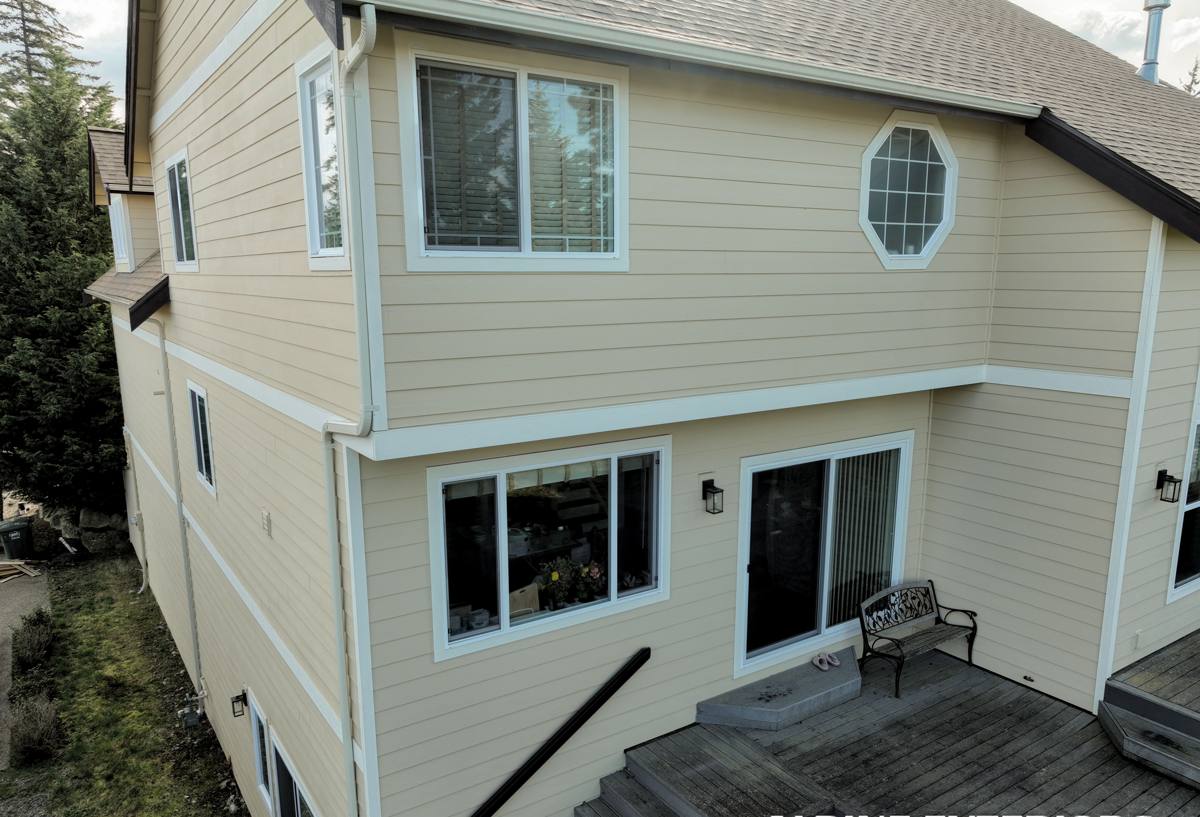
Why Decks Fail Faster Near the Bay
St. Petersburg sits close enough to open water that salt air is a daily factor, not an occasional one. Salt accelerates corrosion in metal fasteners, joist hangers, and structural connectors — the parts of a deck you can't see but that hold the whole structure together. Combine that with Florida's humidity and afternoon showers, and you get wood that stays damp longer than it should between rain events, which is exactly the condition rot and fungal decay need to take hold.
Add hurricane-force wind events to the mix. Even decks that never see a direct hurricane hit take repeated stress from tropical storm winds and squall-line gusts throughout the year. Railings rack, connections loosen, and fasteners back out slightly with every cycle of wind load and thermal movement. None of this is dramatic on its own, but it compounds. A deck built to code in year one can develop real structural weak points by year eight or ten if it isn't inspected and maintained with this climate in mind.
The Four Forces at Work
- Salt air corrosion — attacks nails, screws, joist hangers, and other structural metal, often from the inside out where you can't see it.
- UV exposure — breaks down wood fibers and degrades sealants, stains, and composite decking surfaces over time, even under partial shade.
- Wind-driven rain — drives moisture into joints, fastener holes, and end grain that a straight-down rain would never reach.
- Storm wind loading — repeatedly stresses railings, stairs, and ledger connections, loosening what was originally tight.
Common Deck Problems We Find in St. Petersburg
Most of the repair calls we get in this area fall into a handful of categories. Recognizing these early is the difference between a modest repair and a full rebuild.
Ledger Board and Structural Connections
The ledger board — where the deck attaches to the house — is the single most important structural point on most decks, and it's also one of the most common failure points in humid coastal climates. Moisture that gets trapped between the ledger and the house siding, often due to missing or degraded flashing, can rot the ledger or the rim joist behind it without any visible sign from the deck surface. This is a structural safety issue, not a cosmetic one, and it's the first thing we check on any repair inspection.
Fastener and Hardware Corrosion
Older decks — or decks built with hardware not rated for coastal exposure — often show corrosion on nails, screws, and joist hangers well before the wood itself shows serious damage. Rust stains bleeding out around fastener heads are a visible warning sign. Left alone, corroded fasteners lose holding strength and can fail under load, particularly during wind events.
Board Rot and Soft Spots
Soft, spongy, or discolored boards usually mean moisture has been sitting in the wood longer than it should. This shows up most often near the ground, around post bases, and at butt joints where two boards meet — anywhere water can collect and linger instead of draining away.
Railing and Stair Movement
Railings that wiggle or stairs that flex are usually a sign of loosened structural connections rather than a problem with the railing itself. This is a safety issue we take seriously, since railing failure is one of the more common causes of injury on residential decks.
Surface Wear and Finish Failure
Constant UV exposure breaks down stains, sealants, and the surface fibers of wood decking, leading to graying, splintering, and cracking. On composite decking, UV and heat cycling can cause fading and, in some cases, surface delamination over many years.
What a Proper Deck Repair Involves
Deck repair isn't just swapping out a few bad boards — a repair that ignores the structure underneath is a repair that fails again within a couple of seasons. Our process is built to catch what's underneath the surface, not just what's visible from the top.
Our Inspection and Repair Process
- Structural inspection first. We check the ledger connection, posts, footings, joists, and hardware before we touch a single deck board. This tells us whether we're looking at a surface repair or something more serious.
- Identify the moisture source. Rot and corrosion are symptoms — there's almost always a moisture path causing them, whether it's failed flashing, poor drainage, or a gap that traps water. We address the cause, not just the damaged wood.
- Replace compromised structural members. Any joist, ledger section, or post showing real rot or corrosion damage gets replaced, not patched. Structural integrity isn't negotiable.
- Upgrade hardware where it matters. Where existing fasteners or connectors show corrosion, we replace them with hardware suited to coastal, high-humidity exposure rather than simply matching what was there before.
- Repair or replace decking and railings. Individual boards, railing sections, or stair components are replaced to match the existing deck as closely as possible.
- Reseal and protect. Exposed wood, especially at cut ends and fastener points, gets properly sealed to slow future moisture intrusion.
- Final walkthrough. We check for flex, movement, and secure connections before calling the job done — not just how it looks, but how it holds.
Repair vs. Replacement: How We Decide
Not every damaged deck needs to be torn out and rebuilt, and not every deck can be reasonably patched back together. The honest answer depends on how much of the structure is affected versus the surface.
| Factor | Leans Toward Repair | Leans Toward Replacement |
|---|---|---|
| Ledger board condition | Solid, dry, properly flashed | Soft, rotted, or improperly flashed |
| Extent of damage | Isolated boards or sections | Widespread rot or corrosion throughout |
| Age of structure | Under 10-15 years, well built | Original construction quality was poor or very old |
| Framing and posts | Structurally sound | Multiple compromised structural members |
| Code compliance | Meets current railing/stair standards | Predates current safety code requirements |
When the structure underneath is sound, targeted repair is the honest, cost-effective answer, and we'll say so plainly. When the framing itself is compromised in multiple places, patching around it isn't a real fix — it's a delay, and we'll explain exactly why before recommending anything more involved.
Materials and Fastener Choices for This Climate
What goes into a repair matters as much as the labor. For any structural hardware — joist hangers, screws, bolts — we favor connectors rated for coastal or high-corrosion exposure rather than standard-grade hardware, since standard hardware is a common source of the early corrosion problems we're called out to fix in the first place. For decking material itself, both quality pressure-treated wood and composite decking can perform well here, but each comes with real trade-offs worth understanding rather than a one-size-fits-all recommendation.
Wood decking is generally more affordable up front and easier to repair board-by-board, but it needs consistent resealing to hold up against UV and moisture cycling. Composite decking resists rot and doesn't need staining, but it comes at a higher material cost and, on some products, can show heat sensitivity or fade over many years of direct Florida sun. We'll walk through the honest trade-offs for your specific deck rather than pushing one material as a universal answer.
Homeowner Checklist: Signs Your Deck Needs Attention
- Boards that feel soft, spongy, or bounce noticeably underfoot
- Rust staining around screws, nails, or metal connectors
- Railings or stair rails that wiggle or flex when pushed
- Visible gaps or separation where the deck meets the house
- Graying, splintering, or cracked wood surface
- Standing water or slow drainage after rain
- A musty smell near ground-level framing or post bases
- Nails or screws that have visibly backed out of the decking
If you're seeing two or more of these, it's worth having the deck looked at before the next storm season adds more stress to an already weakened structure.
Why a Local Pinellas County Crew Matters
Deck repair advice that isn't tuned to this specific coastal environment can lead homeowners toward the wrong fix — using standard hardware where corrosion-resistant hardware is needed, or missing a moisture path that's obvious to anyone who's seen a hundred St. Petersburg decks with the same problem. Working throughout Largo and greater Pinellas County means we're regularly inspecting and repairing decks that face this exact combination of salt air, humidity, UV, and storm wind, so we're not guessing at how this climate behaves — we're accounting for it as a matter of routine.
Local experience also means we're familiar with the general expectations for railing height, guard spacing, and structural connections that inspectors in this area look for, so repairs are done with those standards in mind from the start rather than as an afterthought.
Maintaining Your Deck After Repair
A repaired deck holds up longer with a small amount of regular attention, especially in a climate this demanding.
- Rinse off salt residue and debris periodically, particularly after storms
- Reseal or restain wood decking on a regular schedule rather than waiting for visible wear
- Keep gutters and drainage clear so water isn't funneling toward the deck structure
- Check railings and stair connections for movement a couple of times a year
- Watch fastener heads for early rust staining, which is easier to address early than late
If your deck is showing wear, feeling soft in places, or you just want an honest opinion on whether it needs repair or something more, we're happy to take a look. Fill out the form below for a free, no-pressure estimate from our local Largo crew.