 Largo Siding
 Building a Deck That Actually Holds Up in St. Petersburg
A deck in St. Petersburg lives a harder life than a deck almost anywhere inland. Between the intense year-round UV, the salt-laden air rolling off Tampa Bay and the Gulf, wind-driven rain during summer storms, and the real possibility of hurricane-force winds, an outdoor structure here is under constant stress even when it looks fine from the driveway. We build and repair custom decks for homeowners throughout St. Petersburg and the greater Largo area, and the single biggest lesson we've learned is that a deck built the way it would be built in Ohio or Georgia simply doesn't last here. Fasteners, framing, footings, and decking material all need to be chosen and installed with this specific climate in mind.
This page is about one thing: custom deck construction for St. Petersburg homes, done correctly for this region. Not a generic "we build decks" pitch — the actual decisions that determine whether a deck is still solid and good-looking in ten years or is already showing rot, rust, and fastener failure in three.
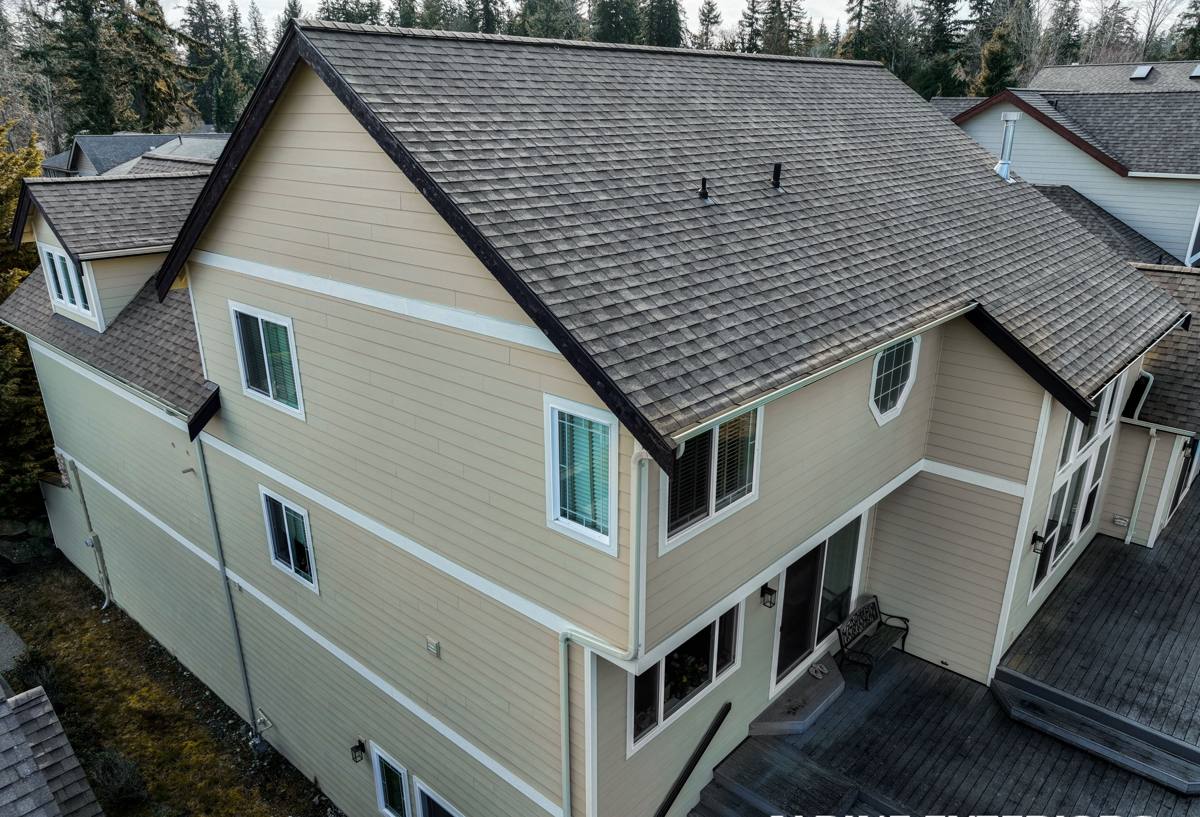
What Pinellas County Weather Actually Does to a Deck
UV and Heat
St. Petersburg gets sun exposure most of the year, and that constant UV load breaks down the surface of wood decking, dries out and cracks sealants, and fades composite decking unevenly if the product wasn't chosen for UV stability. Dark decking materials also absorb significant heat, which matters if the deck gets bare feet or is near a pool.
Salt Air
Even homes that aren't waterfront in St. Petersburg get salt air carried in off the bay and the Gulf. Salt accelerates corrosion in any metal component — screws, joist hangers, structural brackets, railing hardware — far faster than in an inland climate. A deck built with standard hardware instead of coastal-rated fasteners will show rust streaks and weakening connections years before the decking itself wears out.
Wind-Driven Rain and Humidity
Florida rain doesn't fall straight down — it drives sideways into ledger boards, under railings, and into any gap that wasn't properly flashed or sealed. Combined with high humidity, this creates ideal conditions for wood rot and mold wherever water gets trapped instead of shedding off the structure.
Hurricane-Force Wind Loads
Decks attached to the house, especially elevated decks and those supporting stairs or roof structures, need to be engineered and fastened to handle real wind uplift and lateral load, not just the weight of people and furniture. This is a structural, code-driven consideration, not an optional upgrade.
Choosing the Right Decking Material for This Climate
There's no single "best" decking material — there's a best material for a given budget, look, and maintenance appetite, evaluated honestly against what Gulf Coast weather will do to it. Here's how the common options actually compare for a St. Petersburg property.
| Material | UV/Fade Resistance | Moisture & Rot Resistance | Maintenance | Typical Lifespan Here |
|---|---|---|---|---|
| Pressure-treated wood | Fair — fades and grays without upkeep | Good if sealed regularly | Annual cleaning and re-sealing | 10–15 years with upkeep |
| Composite decking | Good to excellent, varies by brand/color | Excellent — won't rot | Occasional washing, no sealing | 25+ years |
| PVC/cellular decking | Excellent, resists fading well | Excellent — fully moisture-proof | Lowest of any option | 25–30+ years |
| Tropical hardwoods | Fair — grays without oiling | Very good naturally | Regular oiling to maintain color | 20+ years structurally |
For most St. Petersburg homeowners we talk to, composite and PVC decking win out because they remove rot and insect damage from the equation entirely and hold up to salt air without the ongoing sealing schedule that wood demands. Wood still has a place for homeowners who want that specific look and are willing to keep up with maintenance — we're honest about that trade-off rather than steering everyone to the same product.
What a Correctly Built Deck Involves
The decking boards are the least of what determines a deck's lifespan here — the structure underneath and the connection to the house are what fail first if they're done wrong.
Footings and Framing
Footings need to be sized and set to local code depth and bearing requirements, not guessed at. Framing lumber should be rated for ground contact or exterior exposure where it's near grade or exposed to splash-back, and joist spacing needs to account for the actual decking product being installed, since composite and PVC boards often have different span requirements than wood.
Ledger Attachment and Flashing
Where a deck attaches to the house, the ledger board is one of the most common failure points in Florida decks — if it isn't properly flashed to shed water away from the house's structure and siding, water gets trapped behind it and rots both the ledger and the wall framing behind it. This connection also carries a large share of the structural load, so the fastening pattern matters as much as the flashing.
Fasteners and Hardware
Every screw, bolt, hanger, and bracket on a coastal Florida deck should be corrosion-resistant hardware rated for the exposure — not the standard hardware that's fine inland but starts rusting within a couple of years here. This is a small line-item cost difference and a large difference in how the deck ages.
Railings and Stairs
Railings need to meet height and baluster-spacing code requirements and be anchored into structural framing, not just the decking surface. Stair stringers should be sized for the actual rise and run of the site, not built to a generic template.
Permits and Code Requirements in Pinellas County
Deck construction in St. Petersburg and throughout Pinellas County is permitted work in almost every case — especially any deck attached to the house or elevated more than a step or two off grade. Permitting exists for a good reason here: it's the check that confirms footings, framing, and attachment can actually handle Florida's wind loads. We handle the permitting and inspection process as part of the job, so homeowners aren't left trying to interpret code requirements themselves or discovering a problem when they go to sell the house.
- Permits are typically required for attached decks, elevated decks, and any deck with a roof or cover
- Railing height and baluster spacing follow Florida Building Code requirements
- Structural attachment to the home must be inspected before decking is installed
- Unpermitted decks can create problems during a home sale or insurance claim
Our Process, From Estimate to Finished Deck
- On-site assessment. We look at the site, existing structure if there is one, drainage, and how the deck will be used, and talk through material options honestly based on budget and maintenance preference.
- Design and proposal. We put together a clear plan and written estimate covering material, structure, and any permit work involved — no vague allowances.
- Permitting. We handle the permit submission and coordinate required inspections with Pinellas County or the City of St. Petersburg as applicable.
- Demolition or site prep. If we're replacing an old deck, we remove it and inspect the ledger and house framing behind it before building new.
- Footings and framing. Structural work goes in first, built to code and to the specific decking product's requirements.
- Decking, railing, and stairs. Final surfaces and safety components are installed and finished.
- Final walkthrough. We go over the finished deck with the homeowner and cover any care and maintenance specific to the material chosen.
Maintenance Checklist for St. Petersburg Deck Owners
Even a well-built deck needs some seasonal attention in this climate. This is the short list we give homeowners regardless of which material they chose.
- Rinse salt residue and debris off the deck surface and between boards periodically, especially after storms
- Check railing and stair connections for looseness once or twice a year
- Inspect hardware for early rust or corrosion, particularly near the ledger and any metal brackets
- Keep gutters and downspouts clear so water isn't dumping directly onto or under the deck
- For wood decking, re-seal or re-stain on the schedule recommended for the specific product — don't wait until graying is severe
- Trim back landscaping that traps moisture against the deck framing or skirting
Why Hire a Crew That Already Works in St. Petersburg
A contractor who builds decks regularly in St. Petersburg already knows which fastener grade holds up in this salt air, how local inspectors expect ledger flashing detailed, and how footing depth and framing need to be adjusted for wind load in a coastal county. That's different knowledge than a crew that mostly works inland and treats every job the same regardless of climate. We're a local Largo-based team, and Pinellas County's coastal conditions are the conditions we build for every day — not an exception we occasionally plan around.
If you're considering a new deck or need an existing one assessed for storm damage, rot, or general wear, we're happy to take a look and put together a straightforward, no-pressure estimate. There's no obligation — just an honest read on what your property needs. Use the form below to get started.